Hard plastics are widely used in modern life, from food containers and household items to industrial components and automotive parts. Their durability makes them a popular choice for manufacturing, but it also presents a challenge when it comes to disposal and recycling. Understanding how to recycle hard plastics not only helps reduce environmental impact but also contributes to a more sustainable resource cycle.
Understanding Hard Plastics and Their Types
Before diving into the recycling process, it’s important to understand what qualifies as “hard plastic.” Hard plastics are rigid materials that maintain their shape under normal conditions. They are often made from thermoplastics or thermosetting polymers and can be found in various products such as:
- Polypropylene (PP): Used in caps, bottle lids, storage boxes, and automotive parts.
- High-Density Polyethylene (HDPE): Found in milk jugs, detergent bottles, and piping.
- Polycarbonate (PC): Used in safety goggles, water dispenser bottles, and optical discs.
- Acrylonitrile Butadiene Styrene (ABS): Common in electronics housings, toys, and tool casings.
- Polyethylene Terephthalate (PET): Rigid versions used in bottles, food packaging, and more.
Recognizing the plastic type is essential because each polymer has its own recycling requirements and melting points.
The Challenges of Recycling Hard Plastics
- Recycling hard plastics is not as straightforward as recycling paper or metals. Some of the common challenges include:
- Mixed material composition: Products may combine different plastic types or be attached to metal, rubber, or fabric.
- Contamination: Residual food, oils, or chemicals can hinder recycling efficiency.
- Sorting difficulties: Without proper identification, hard plastics may be incorrectly categorized.
- Processing limitations: Not all recycling facilities are equipped to handle certain rigid plastics, especially thermosetting plastics that cannot be remelted.
Addressing these challenges requires careful sorting, cleaning, and the use of specialized recycling equipment.
Step 1: Identifying Hard Plastic Items for Recycling
The first step in the recycling process is to identify which items can be recycled. Look for the resin identification code—a number inside a triangular recycling symbol—usually located at the bottom of the item. Codes #1 through #7 indicate the type of plastic:
#1 PET
#2 HDPE
#3 PVC
#4 LDPE
#5 PP
#6 PS
#7 Other (may include polycarbonate, bioplastics, or composites)
Plastics labeled with codes #1, #2, and #5 are the most commonly accepted for hard plastic recycling.
Step 2: Cleaning and Preparing Plastics
Once identified, the hard plastics should be cleaned to remove dirt, food residue, labels, or adhesives. This step is critical because contaminated plastics can cause defects in recycled products. Preparation steps include:
- Rinsing: Use water and mild detergent to remove residues.
- Label removal: Peel off paper or plastic labels where possible.
- Disassembly: Separate plastic from non-plastic components (metal handles, rubber seals, etc.).
Some recycling centers have automated cleaning systems, but pre-cleaning at home reduces processing costs and improves recycling rates.
Step 3: Sorting and Categorization
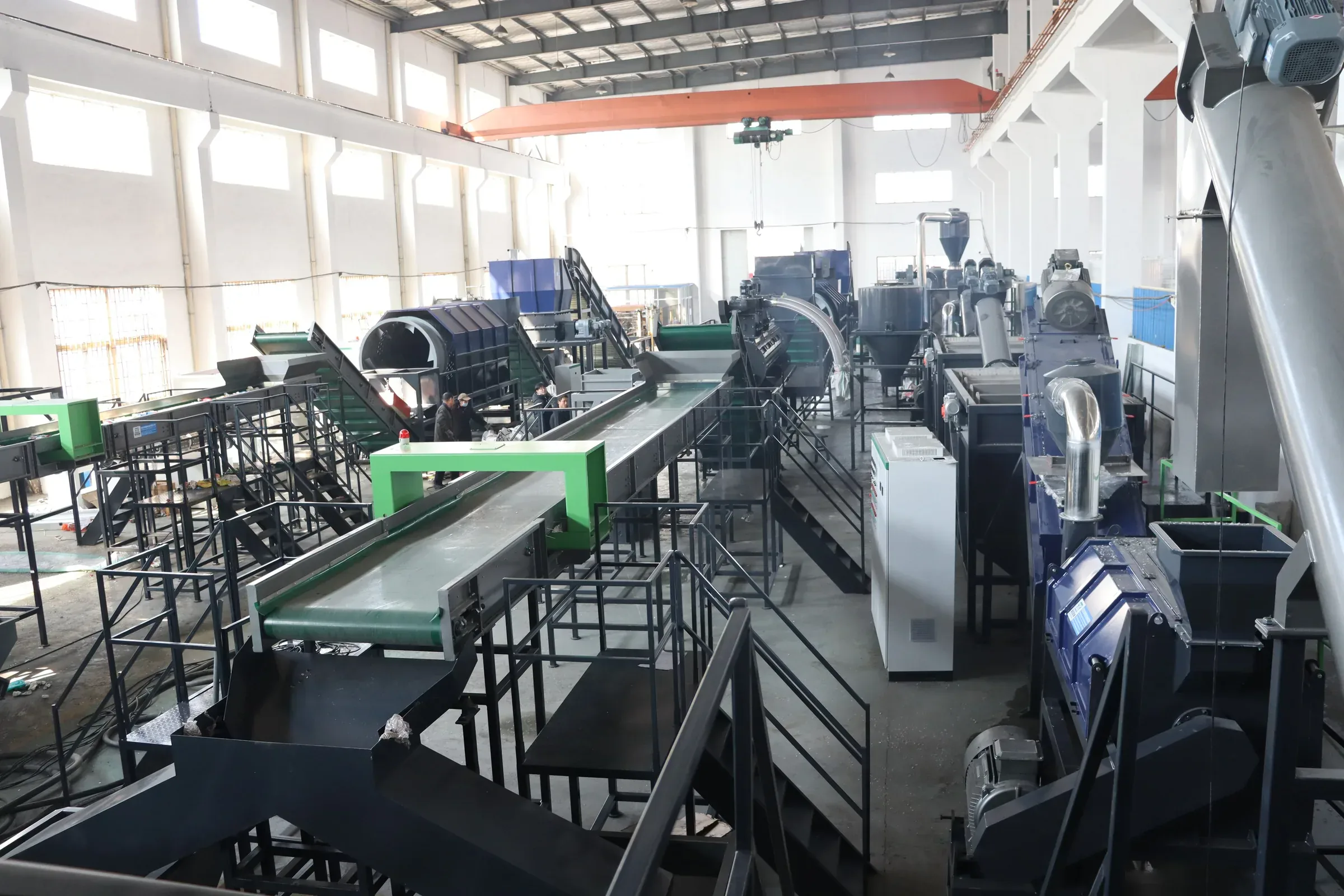
At recycling facilities, hard plastics undergo manual or automated sorting:
- Manual sorting: Workers separate plastics by resin type and color.
- Automated sorting: Optical sorters use infrared spectroscopy to identify polymer types quickly.
- Density separation: Some facilities use water flotation tanks, where lighter plastics float and heavier ones sink, aiding separation.
適切な選別を行うことで、異なる種類のポリマーが汚染されることなく、それぞれの最適な条件下で処理されます。.
ステップ4:破砕と減容
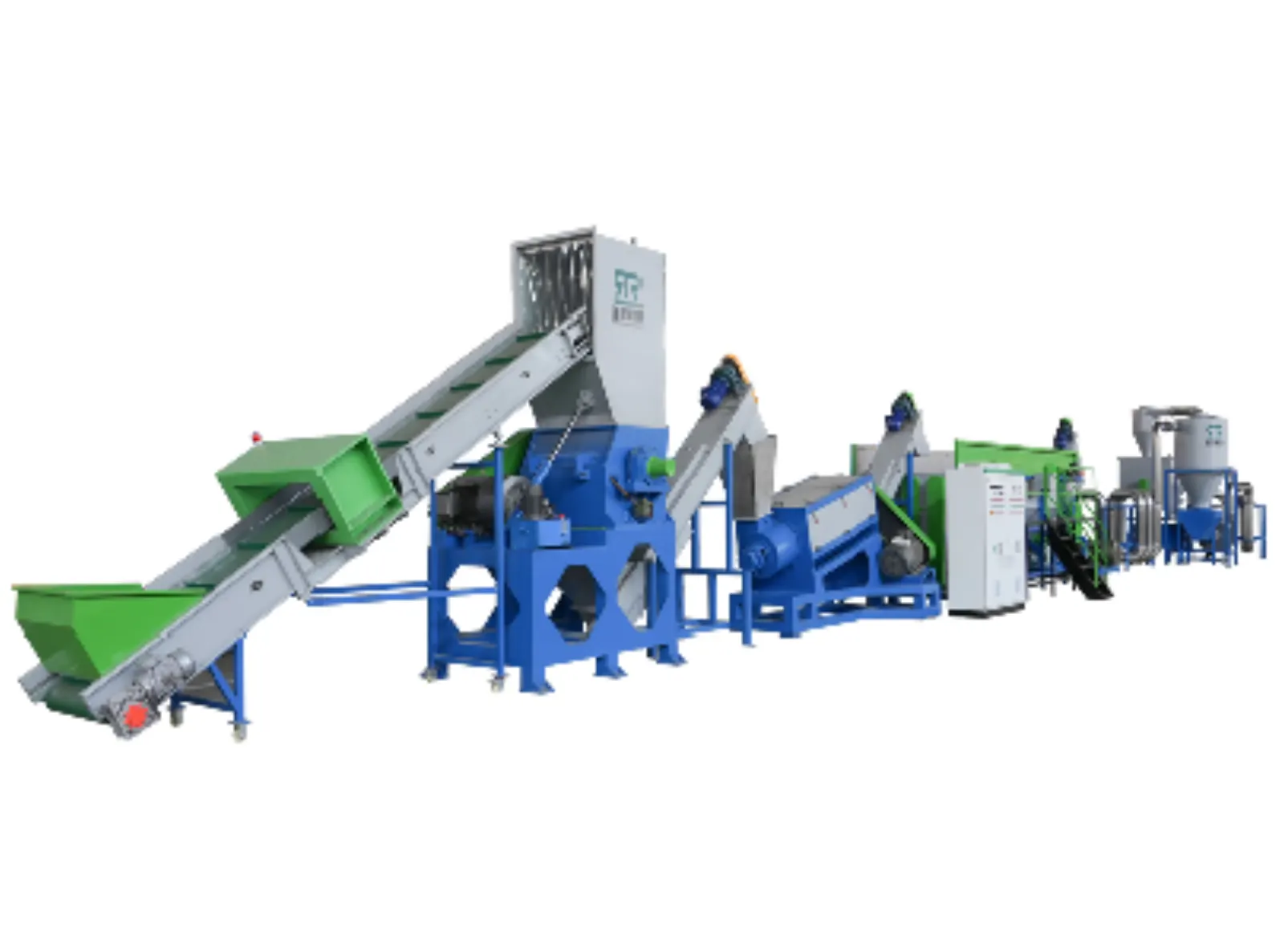
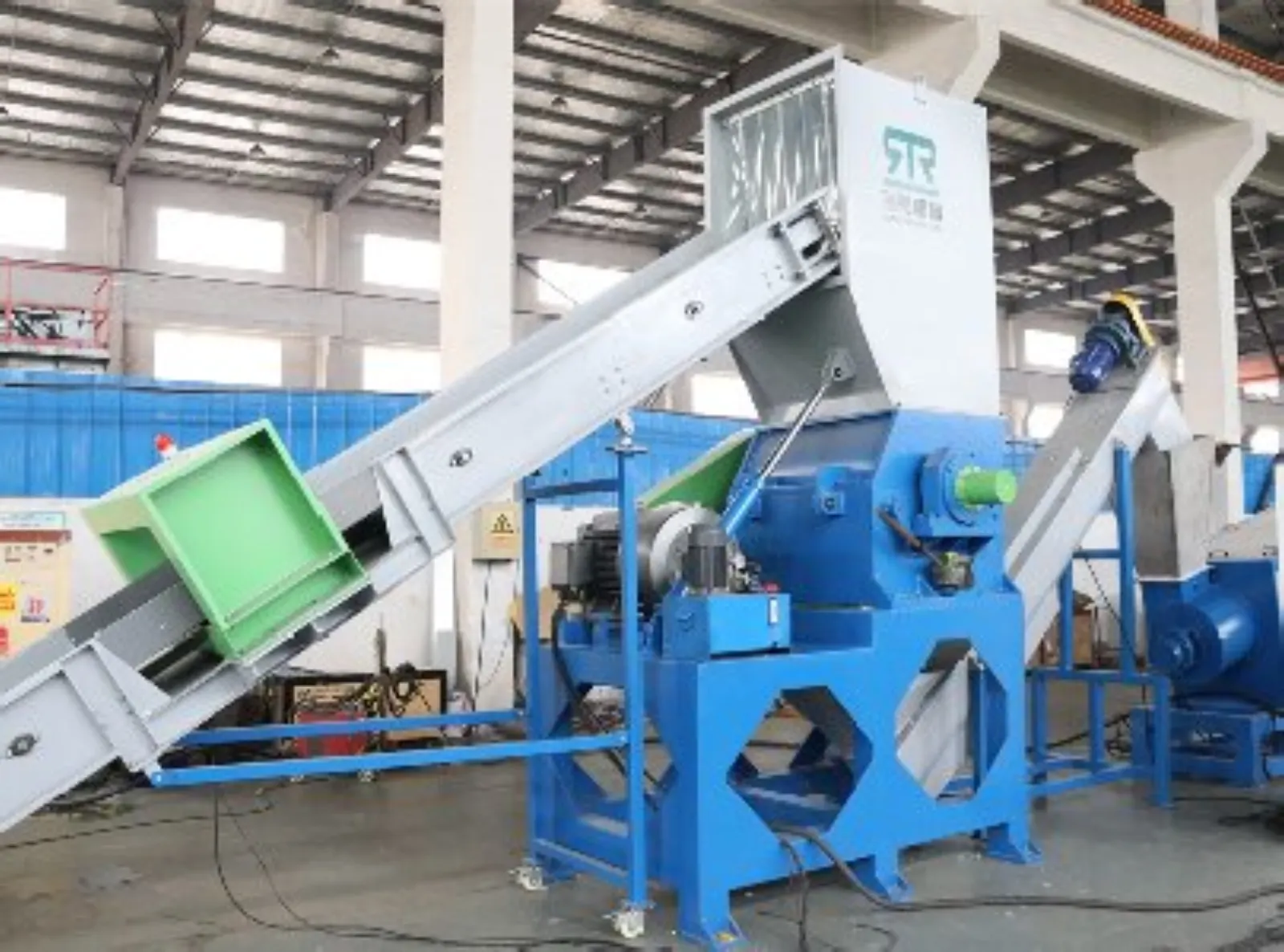
選別された硬質プラスチックは、シュレッダーやグラニュレーターに投入され、小さなフレークやペレットに粉砕されます。減容が重要な理由は以下の通りです。
洗浄効率を高めるために表面積を拡大します。.
リサイクル施設内での材料の運搬を容易にします。.
溶解工程に向けて粒径を均一化します。.
硬質プラスチック用の産業用シュレッダーには、過度な摩耗を防ぎつつ硬い材料を処理できるよう設計された強力な切断刃が備わっています。.
ステップ5:洗浄と乾燥
粉砕されたプラスチックは、接着剤、インク、油分などの残留汚染物質を除去するために徹底的に洗浄されます。この洗浄工程には以下が含まれます。
油脂を溶解するための温水洗浄。.
頑固なラベルや残留物を除去するための化学洗浄。.
さらなる加工の前にプラスチックから水分を取り除くためのすすぎと乾燥。.
残留水分は、リサイクルプラスチック製品の欠陥の原因となる可能性があります。.
ステップ6:押出成形とペレット化
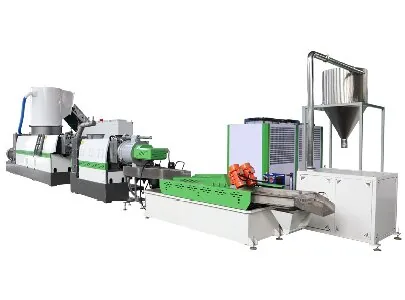
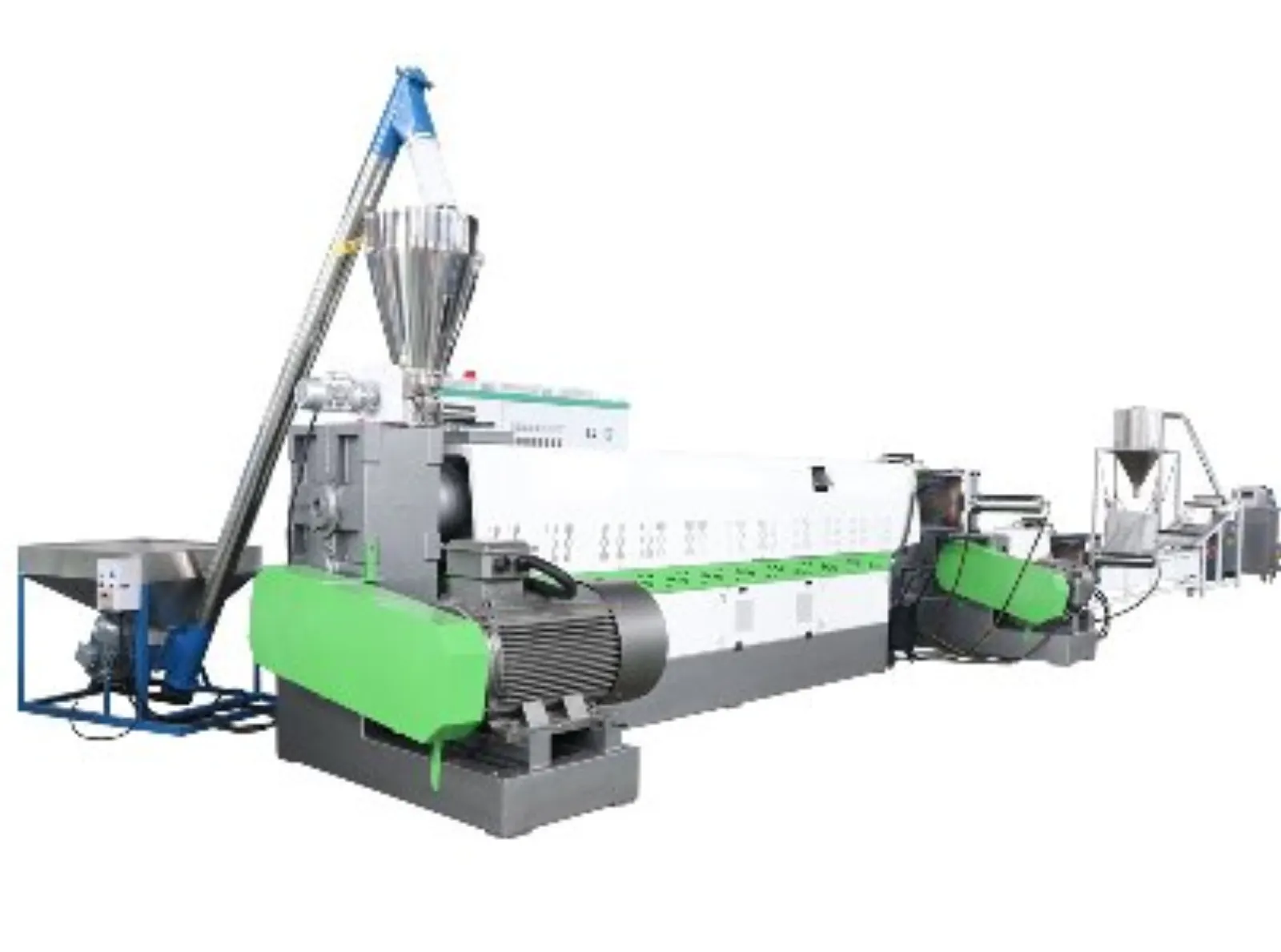
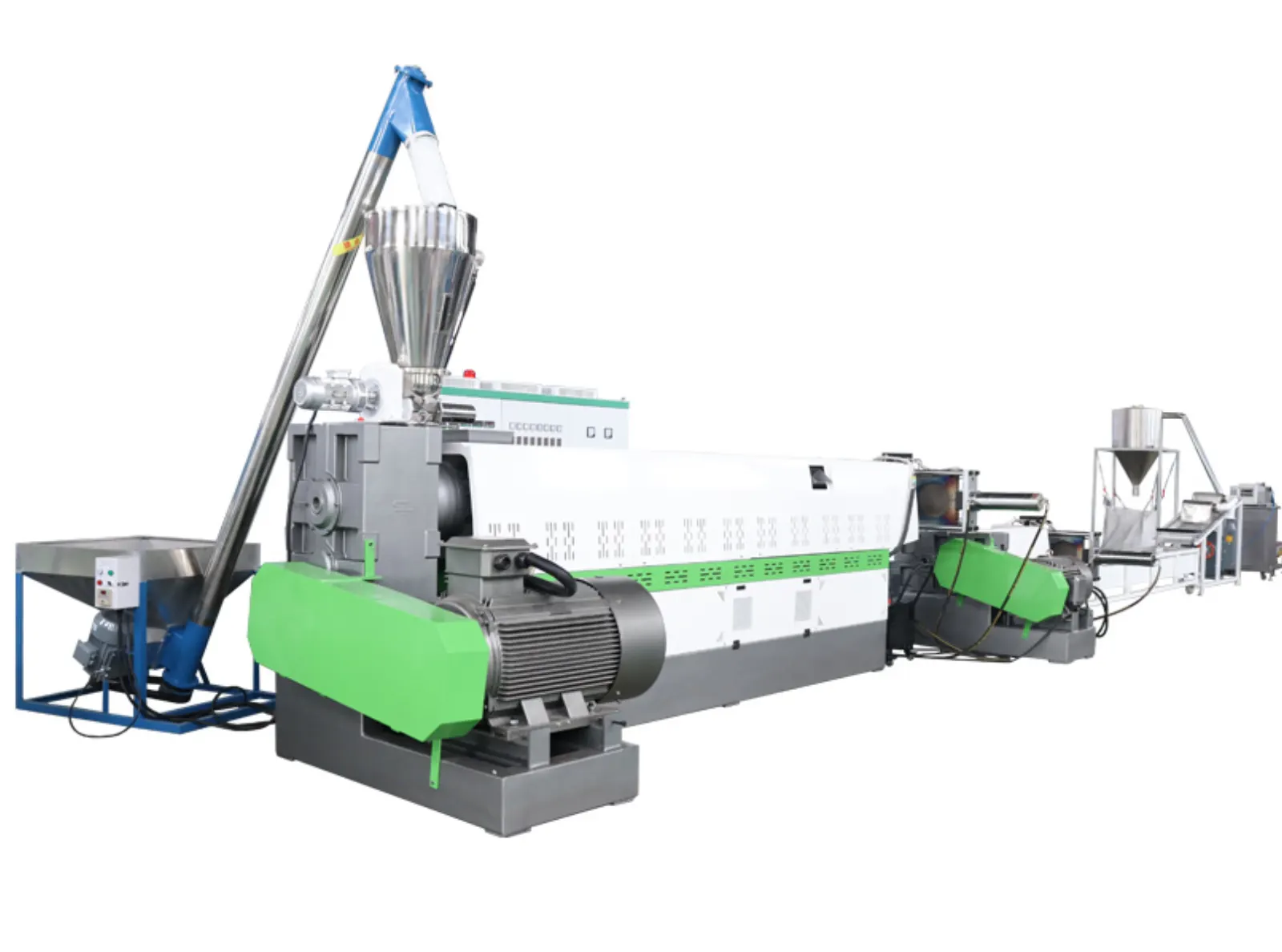
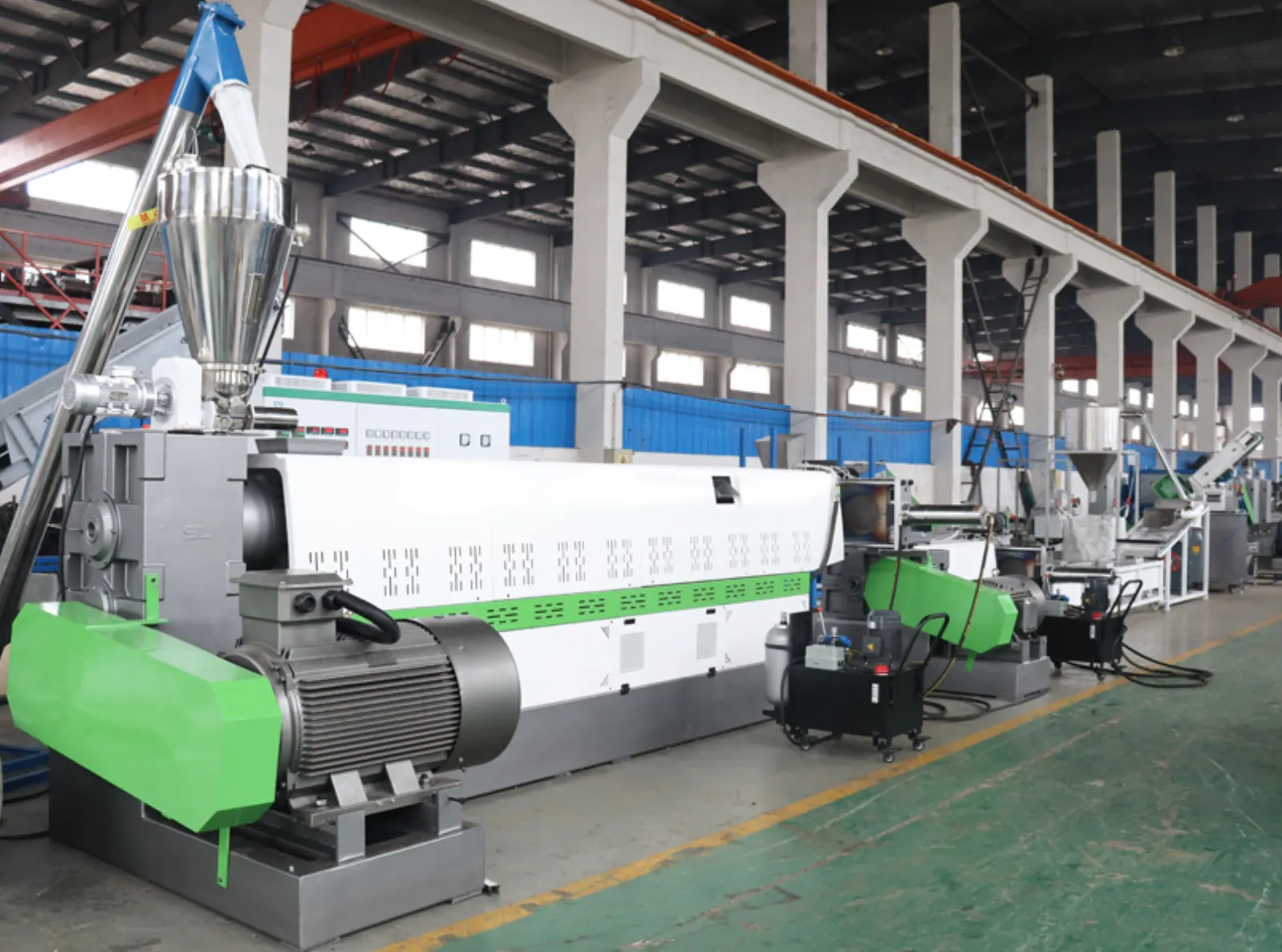
洗浄・粉砕されたプラスチックは溶融され、均一なストランド状に押し出された後、小さなペレットにカットされます。これらのリサイクルペレットは、新しい製品を製造するための原材料となります。プラスチックの種類にもよりますが、加工温度は180°Cから300°C以上に達することもあります。.
ペレット化により、メーカーが射出成形、ブロー成形、押出成形などの工程で新しい製品に容易に組み込める標準化された製品が作られます。.
ステップ7:新製品への再製造
リサイクルされた硬質プラスチックペレットは、以下のような様々な製品の製造に使用できます。
屋外用家具やデッキ材。.
建設用プラスチック木材。.
収納ボックスやコンテナ。.
自動車部品。.
梱包材。.
場合によっては、強度や耐久性を高めるために、リサイクルプラスチックをバージンプラスチックと混合することもあります。.
硬質プラスチックリサイクルが環境にとって重要な理由
硬質プラスチックのリサイクルには、いくつかの環境上の利点があります。
- 資源の保護:石油由来のバージンプラスチックの必要性を削減します。.
- エネルギーの節約:リサイクルプラスチックから製品を製造することは、原材料から新しいプラスチックを生産するよりもエネルギー消費が少なくて済みます。.
- 廃棄物の削減:プラスチックが埋立地や海洋に流出するのを防ぎます。.
- カーボンフットプリントの低減:プラスチック生産に伴う温室効果ガスの排出を削減します。.
硬質プラスチックは分解に数百年かかる可能性があるため、生態系を保護し資源を節約するには効果的なリサイクルが不可欠です。.
家庭や企業で硬質プラスチックを効果的にリサイクルするためのヒント
- 地域のルールを確認する:自治体のリサイクルプログラムで、どの硬質プラスチックが回収対象かを確認してください。.
- 汚染を避ける:廃棄する前に汚れを落としてください。.
- 回収プログラムに参加する:家庭ごみとして回収されないプラスチックでも、専用のリサイクルセンターで受け入れられる場合があります。.
- リサイクル製品を支援する:リサイクルプラスチックで作られた製品を購入することで、リサイクルの輪を閉じることができます。.
結論
硬質プラスチックのリサイクルは、識別、洗浄、選別、破砕、洗浄、ペレット化、再製造という多段階のプロセスです。軟質材料と比較すると手間はかかりますが、環境上のメリットは非常に大きいです。リサイクルプロセスを理解し、意識的な選択を行うことで、個人も産業界も、プラスチック廃棄物が環境への負担ではなく貴重な資源となる循環型経済に貢献できます。.
この記事はRetechの技術アーカイブから引き継がれたもので、元のURLを保持しています。.
この更新について
発行者 Retechマーケティング&コミュニケーションチーム
Retechマーケティング&コミュニケーションチームは、公式の企業ニュース、展示会情報、工場アップデート、プロジェクトの進捗、および製品発表を公開しています。.
プラスチックリサイクルシステムに関する技術的なご質問は、弊社エンジニアリングチームまでお問い合わせください。.