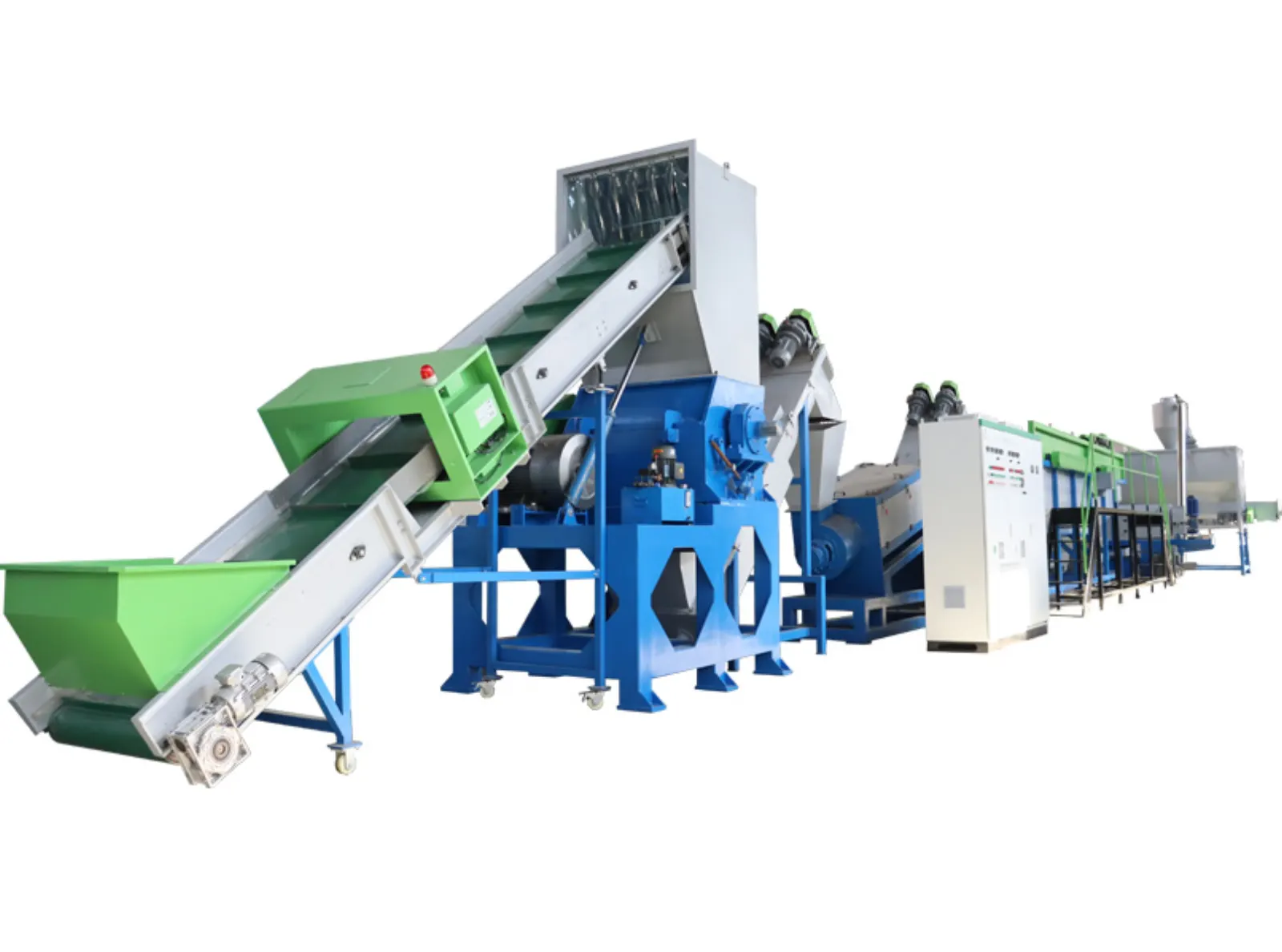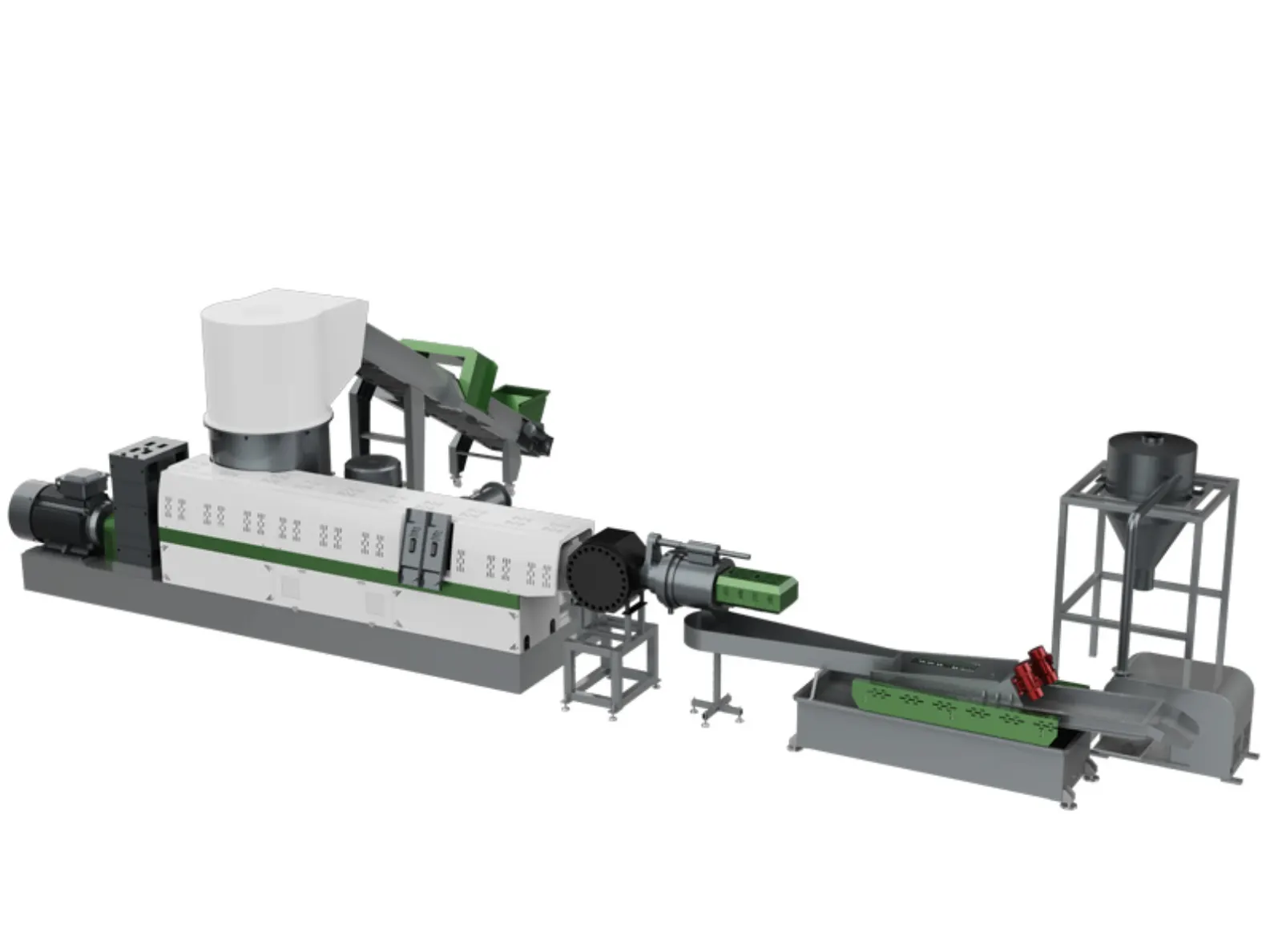
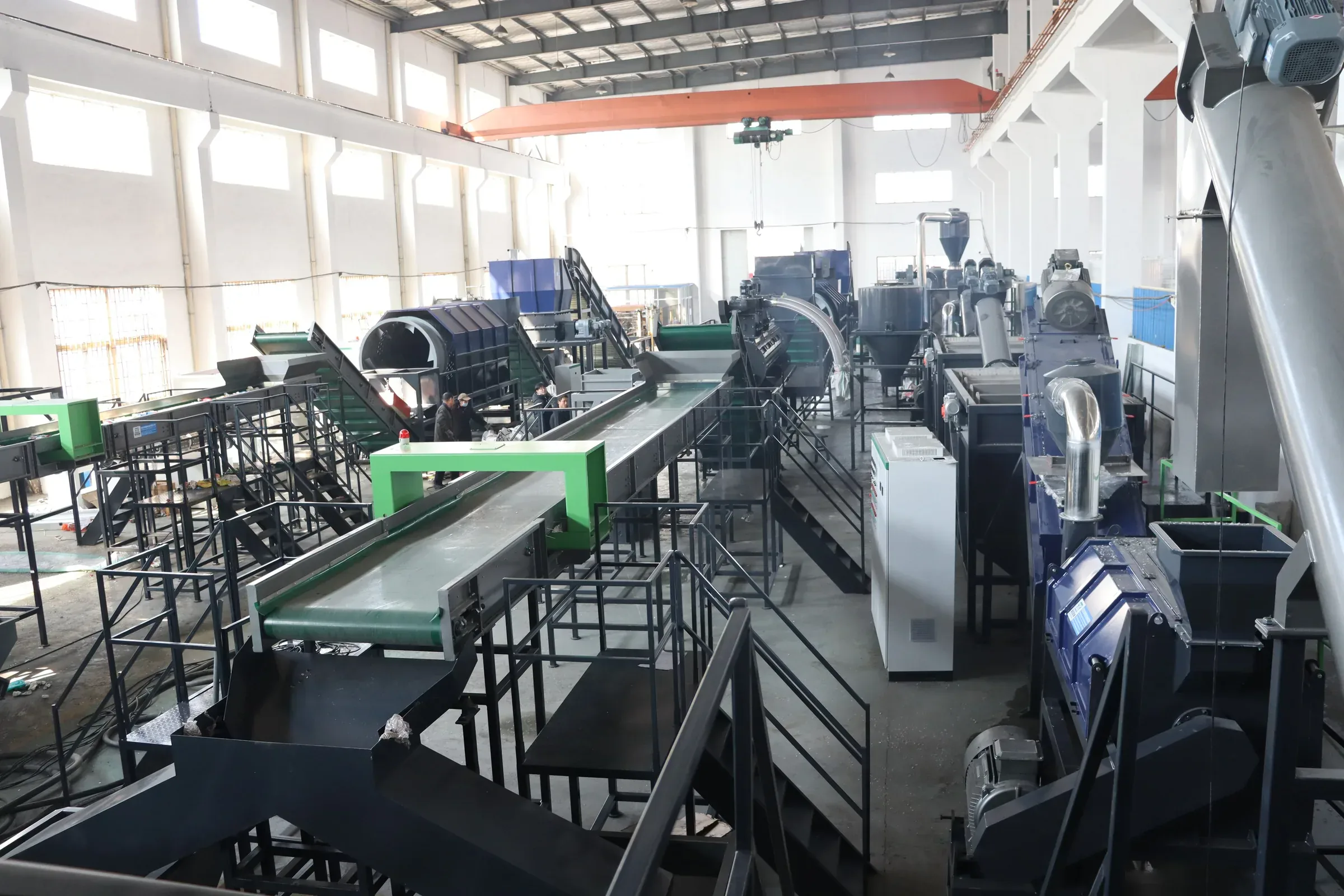
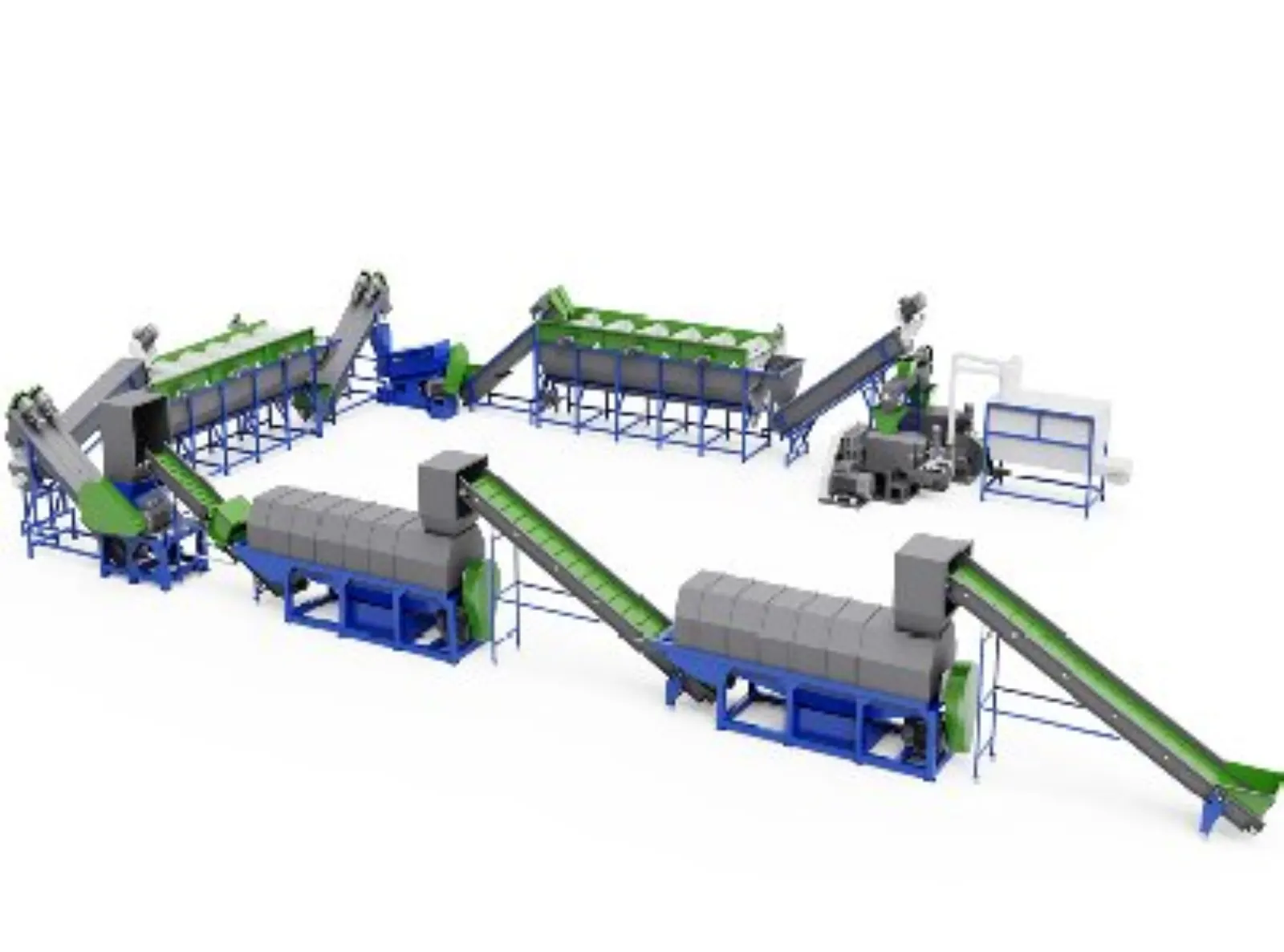
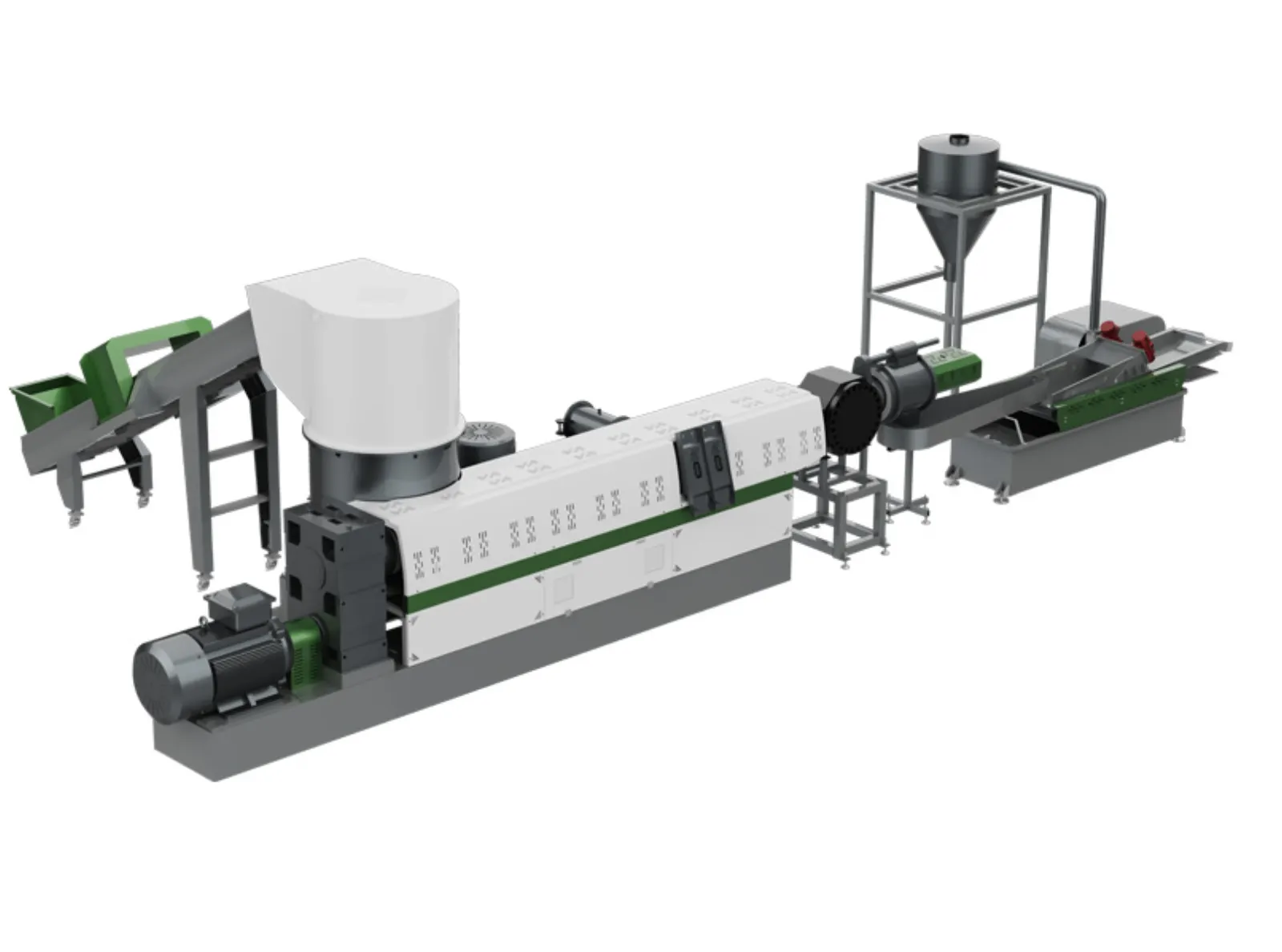
In plastic recycling plants, washing systems are not universal solutions. Different plastic materials require different mechanical designs, washing intensities, and drying configurations. Two systems that are often confused are the PP raffia washing line and the film washing line. While both are used to clean soft plastic waste before pelletizing, their engineering focus, structural layout, and processing logic are quite different.
Understanding these differences is essential for recyclers who handle polypropylene woven bags, jumbo bags, agricultural films, or post-consumer packaging films. Choosing the wrong system can lead to inefficient cleaning, excessive wear, unstable output, or unnecessary investment costs.
This article provides a detailed comparison of PP raffia washing lines and film washing lines from a technical and operational perspective.
Understanding the Raw Materials
The primary reason these two washing systems differ lies in the physical properties of the materials they process.
PP raffia materials typically include:
Woven polypropylene bags
Jumbo bags (FIBC bags)
Cement bags
Rice and fertilizer sacks
Industrial woven packaging
These materials are manufactured by stretching PP tapes and weaving them into strong fabric-like structures. As a result, they are tough, dense, and often contaminated with sand, cement powder, or organic residues.
Plastic films, on the other hand, usually include:
LDPE agricultural film
Stretch film
Shrink film
Post-consumer packaging film
Thin PE shopping bags
Films are soft, extremely thin, lightweight, and have very low bulk density. They are often contaminated with soil, labels, moisture, and organic waste.
Because PP raffia is structurally stronger and denser than film, the washing system design must reflect these mechanical differences.
Pre-Processing Requirements
PP Raffia Washing Line
PP raffia materials are thick and woven, which means they require powerful size reduction before washing. A typical system begins with a heavy-duty shredder or crusher capable of cutting woven fabrics into smaller pieces.
Since raffia bags frequently contain sand, cement dust, or granular contaminants, pre-washing stages are often included to remove heavy particles before further processing.
The material’s higher density makes feeding more stable compared to film, and it is less prone to floating excessively during washing.
Film Washing Line
Film materials are much lighter and more difficult to control mechanically. Their low bulk density makes feeding unstable, so squeezing or agglomerating equipment is often used before or after washing.
Because films tend to wrap around rotating shafts, cutting equipment must be carefully designed to prevent clogging. Additionally, film washing lines usually require specialized floating washing tanks, since PE film naturally floats in water.
In short, film systems are more sensitive to feeding and material flow challenges.
Washing Intensity and Mechanical Design
Washing Structure for PP Raffia
PP raffia washing lines are generally designed with stronger mechanical washing components. Since woven bags often contain stubborn contaminants such as cement powder or soil, friction washers play a critical role.
High-speed friction washers remove embedded dust and fine particles trapped between woven fibers. The system may also include hot washing units when dealing with oil-contaminated industrial bags.
Because raffia material sinks more easily than film fragments, washing tanks must be designed to allow effective separation of heavy impurities without losing valuable PP material.
Washing Structure for Film
Film washing lines emphasize gentle but continuous agitation. Since film is thin and flexible, excessive mechanical force can cause over-fragmentation.
The washing process usually includes:
Pre-washing tanks
Floating separation tanks
Friction washing
Rinsing sections
Because film floats, contaminants such as sand sink to the bottom, enabling effective separation. However, controlling film entanglement is a major engineering challenge.
Compared to raffia systems, film washing lines are generally longer and require more careful water flow control.
Dewatering and Drying Differences
Moisture removal is another major distinction between PP raffia washing lines and film washing lines.
PP raffia fragments are relatively thick and rigid. After washing, they are usually processed through centrifugal dewatering machines followed by hot air drying systems. Their structure allows efficient moisture removal with moderate energy consumption.
Film materials, however, retain water easily due to their thin, flexible surfaces. Squeezing machines are commonly used in film washing lines to mechanically compress and dewater the material. This step significantly reduces moisture content before thermal drying.
Without effective squeezing and drying, film recycling lines may suffer from unstable extrusion during pelletizing.
Output Quality and Downstream Processing
The ultimate goal of both washing systems is to prepare clean plastic flakes for granulation or pelletizing. However, output characteristics differ.
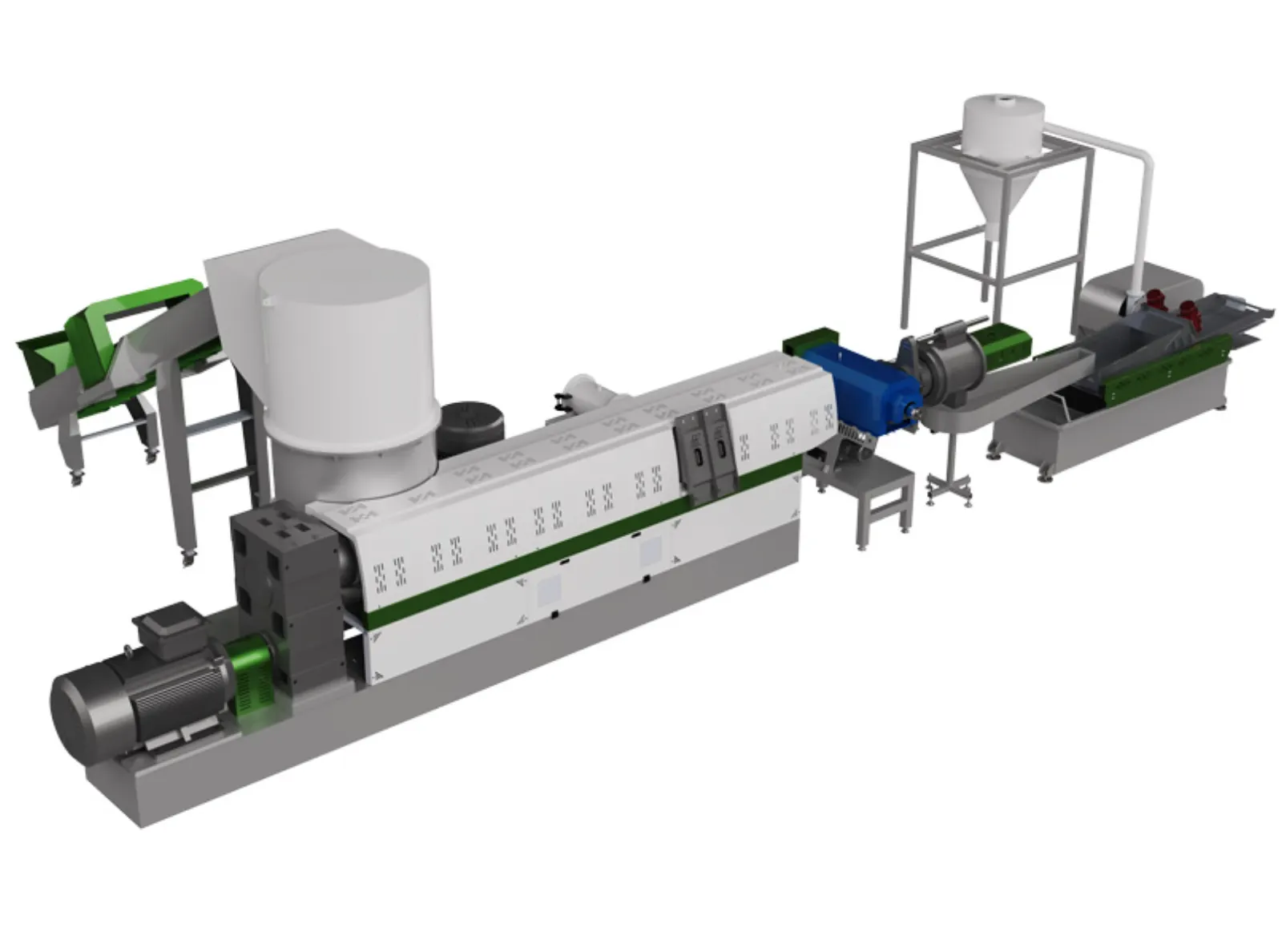
A PP raffia washing line typically produces relatively heavier flakes suitable for direct feeding into a pelletizing extruder. Because woven PP materials are strong, the flakes maintain stable size and shape.
A film washing line produces lighter, thinner flakes or fragments. In many cases, additional densifying or agglomeration equipment is installed before extrusion to improve feeding stability.
Therefore, while both systems aim to produce clean material, the downstream configuration often differs.
System Layout and Space Requirements
Film washing lines usually require larger floor space due to:
Low bulk density of film
Additional squeezing equipment
Extended washing tanks
PP raffia washing lines are often more compact in comparison, as raffia material has higher density and better feeding characteristics.
However, when dealing with heavily contaminated industrial raffia waste, additional cleaning units may increase overall system size.
Plant layout planning must consider raw material type, contamination level, and expected throughput capacity.
Investment and Operational Considerations
From an investment perspective, film washing lines often require:
More complex feeding control
Squeezing and densifying machines
Larger water circulation systems
PP raffia washing lines may require stronger shredders and friction washers but typically involve fewer complications in material handling.
Operational costs also differ. Film lines consume more energy in squeezing and drying stages, while raffia lines may consume more power during shredding and high-intensity washing.
Selecting the correct system based on material type prevents unnecessary capital expenditure and reduces long-term operational risk.
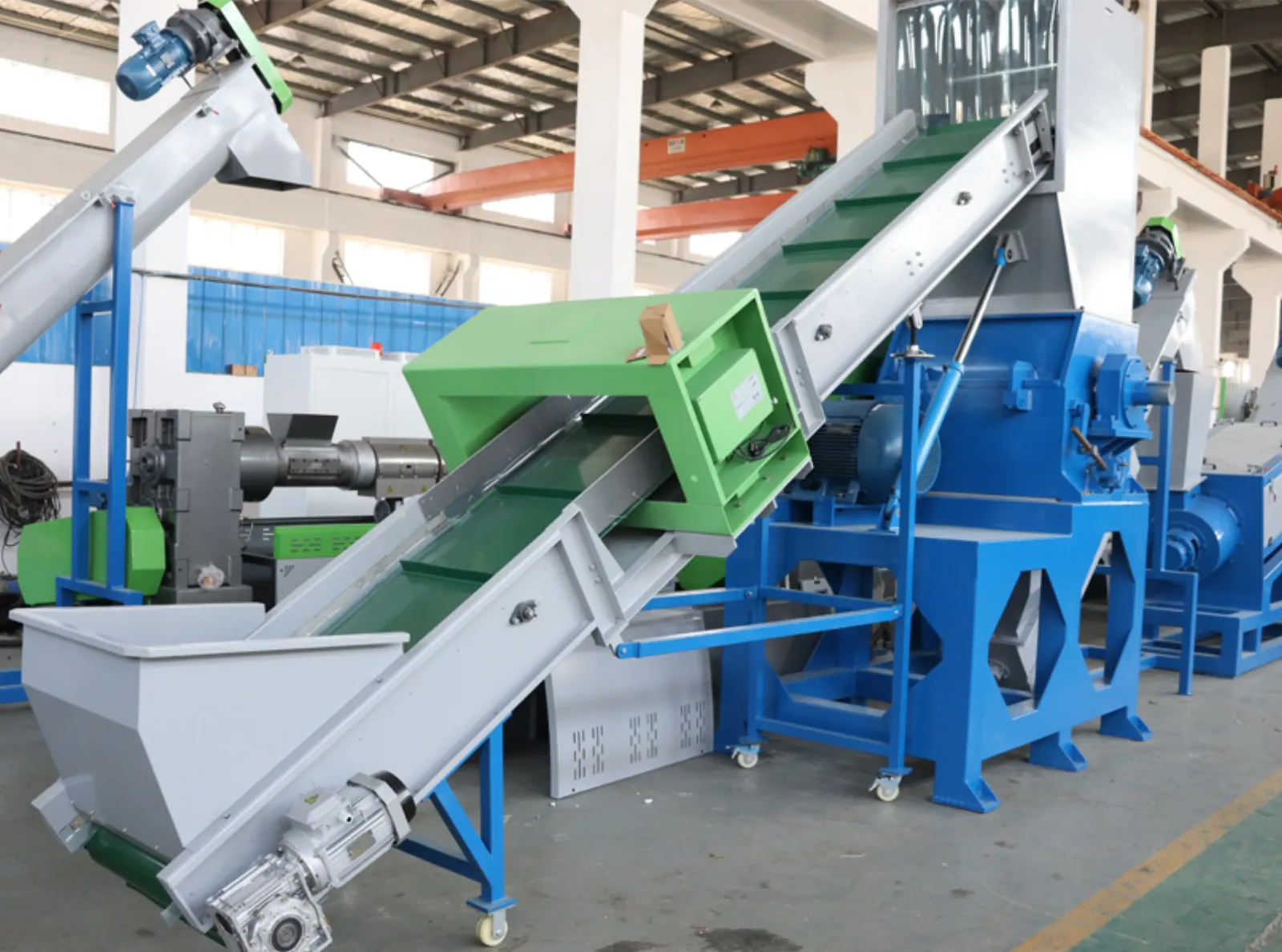
Which Washing Line Should You Choose?
The choice between a PP raffia washing line and a film washing line depends on several key factors:
Type of raw material
Contamination level
Required output cleanliness
Downstream pelletizing method
Production capacity targets
If your primary raw material is woven polypropylene bags, jumbo bags, or industrial packaging, a PP raffia washing line is the appropriate solution.
If you mainly process agricultural film, stretch film, or post-consumer packaging film, a dedicated film washing line will deliver better efficiency and moisture control.
Attempting to use a film washing system for heavy raffia waste, or vice versa, often results in mechanical inefficiencies and poor cleaning performance.
Conclusion
Although PP raffia washing lines and film washing lines both serve the purpose of cleaning plastic waste, they are engineered for fundamentally different material characteristics.
PP raffia washing lines focus on strong mechanical cleaning, stable feeding, and efficient removal of embedded dust and granular contaminants. They are designed for tough woven materials with higher density.
Film washing lines emphasize material flow control, floating separation, and effective dewatering of lightweight, flexible plastics. Their structure is tailored to handle low-density film without entanglement or excessive moisture retention.
For recycling businesses aiming to maximize efficiency and profitability, understanding these differences is essential. Proper system selection ensures stable production, high-quality output, and optimized return on investment in an increasingly competitive plastic recycling market.
ABOUT THIS UPDATE
Published by Retech Marketing & Communications Team
The Retech Marketing & Communications Team publishes official company news, exhibition information, factory updates, project milestones and product announcements.
For technical questions about plastic recycling systems, please contact our engineering team.