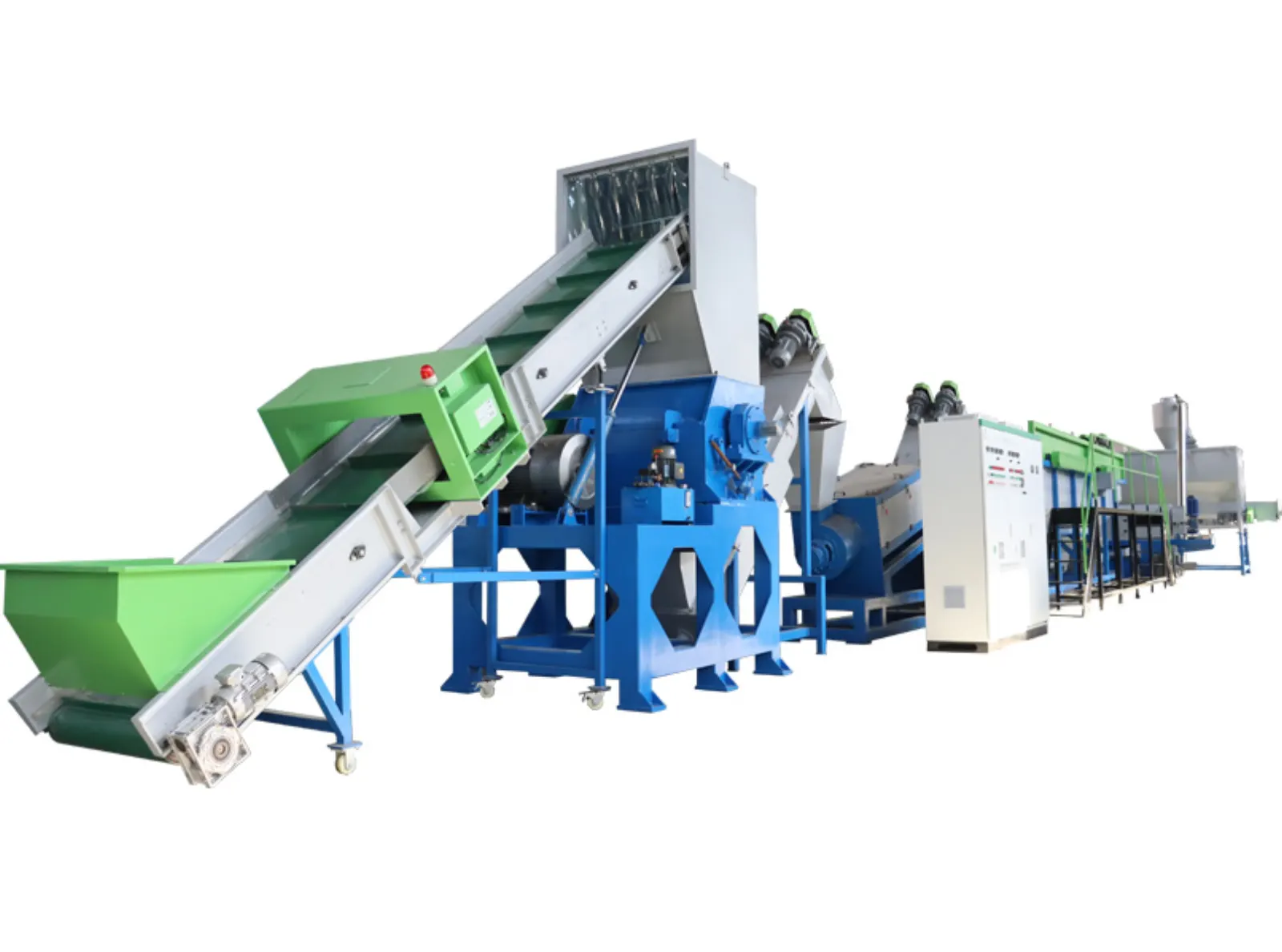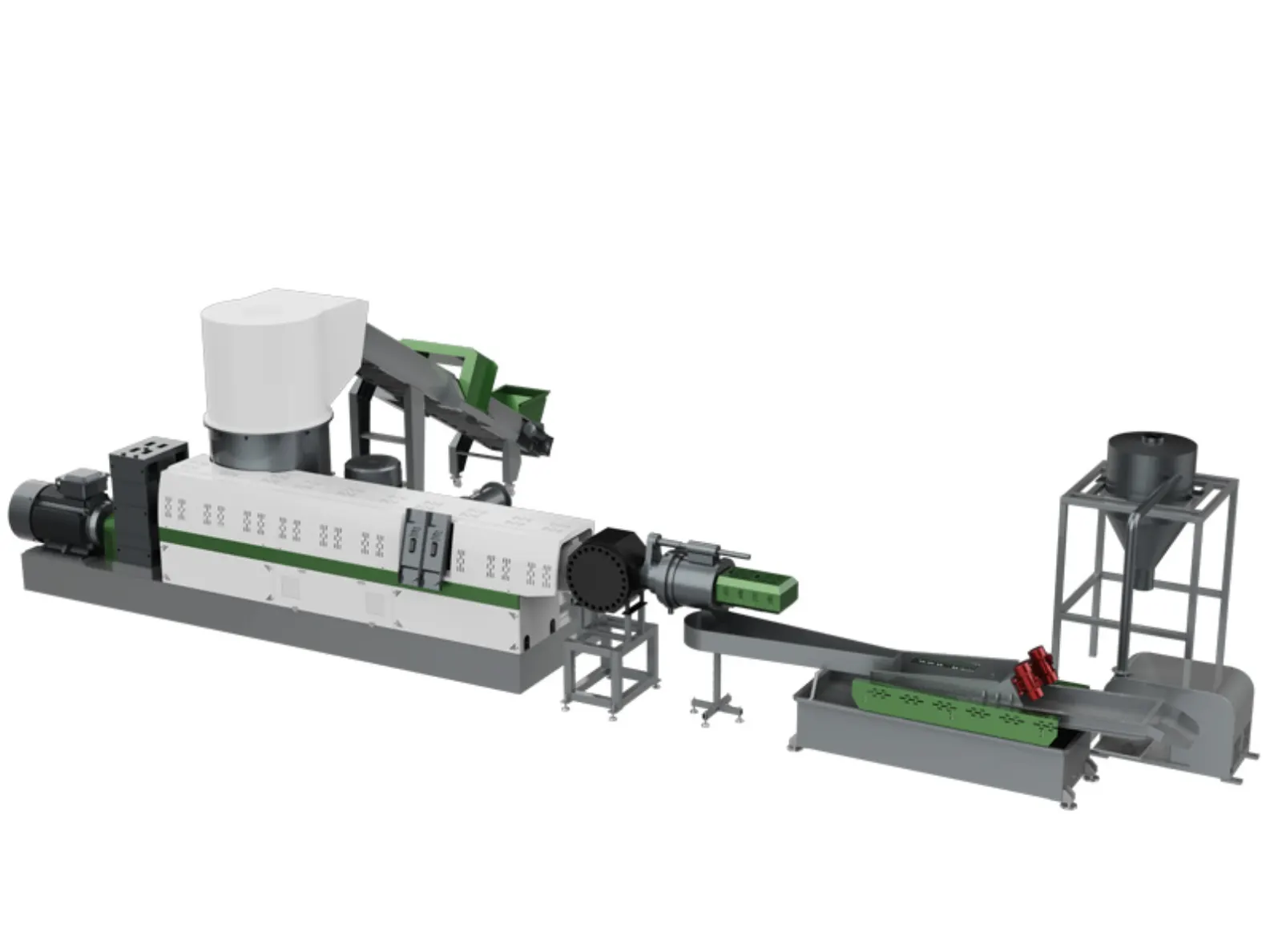

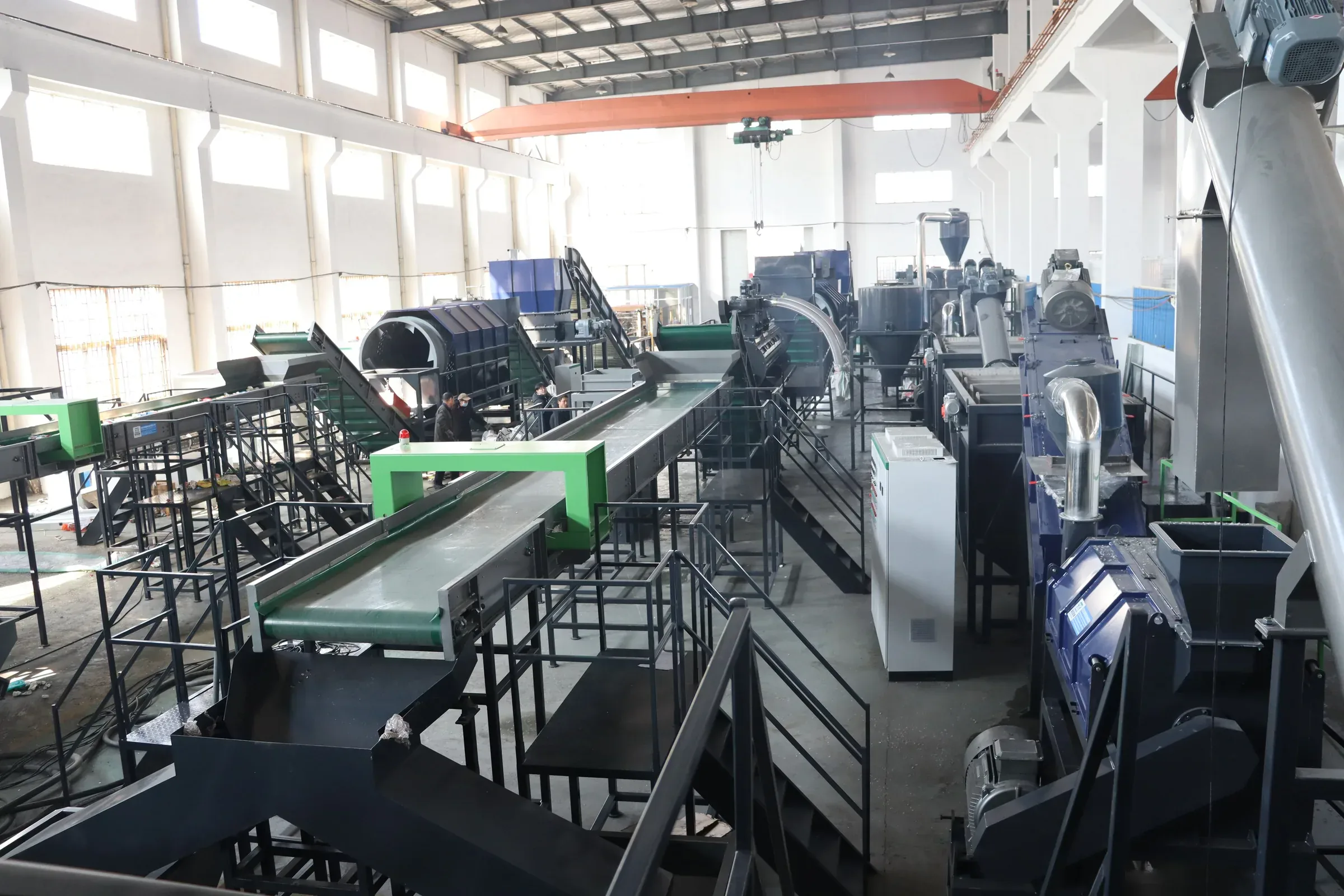

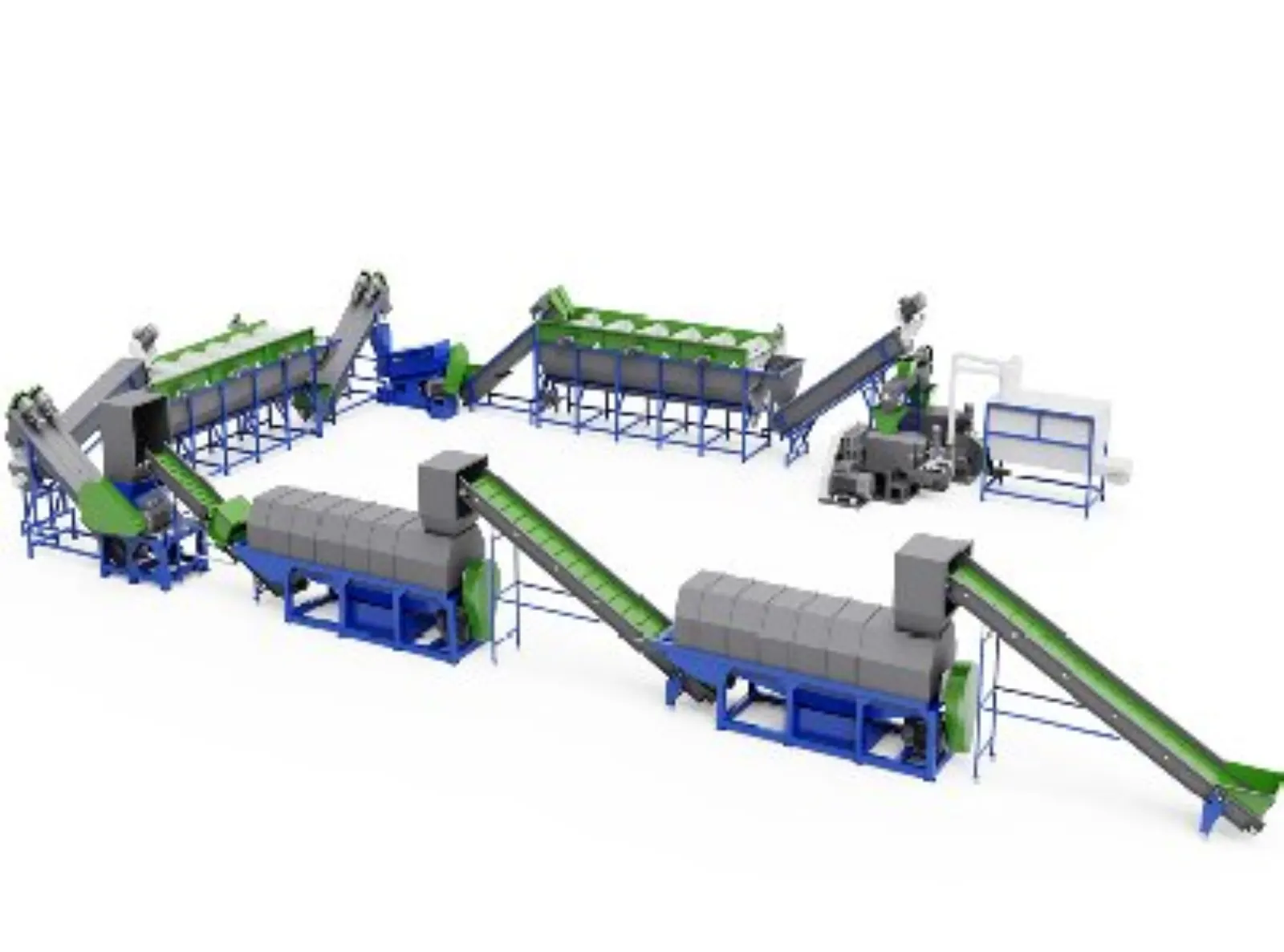
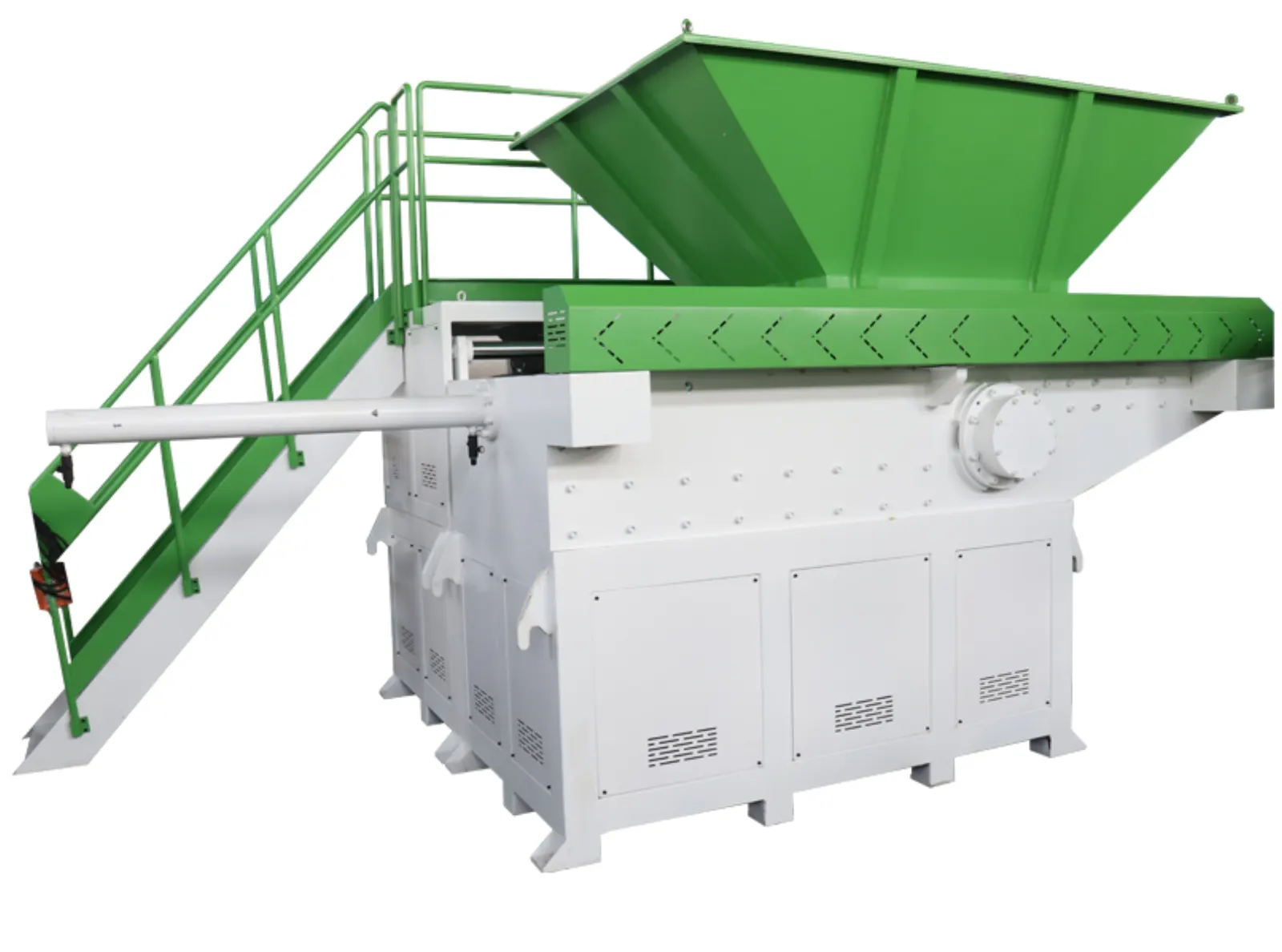
With the rapid expansion of global plastic production, materials such as HDPE, PP, and PET have become indispensable in packaging, construction, automotive, and consumer goods industries. At the same time, the recycling of these materials has evolved from a secondary business activity into a core industrial sector. In any efficient plastic recycling system, the plastic shredder recycling machine serves as the primary and indispensable equipment.
Before washing, separation, or pelletizing can take place, bulky and irregular plastic waste must be reduced to manageable sizes. A properly engineered shredder ensures consistent downstream processing, stable feeding, and improved overall plant efficiency.
The Importance of Shredding in HDPE, PP, and PET Recycling
HDPE (High-Density Polyethylene), PP (Polypropylene), and PET (Polyethylene Terephthalate) differ in structure and mechanical behavior, but they share one common requirement in recycling: effective size reduction.
HDPE waste typically includes thick-walled containers, chemical drums, detergent bottles, and large tanks. These products are impact-resistant and structurally strong, requiring high torque for proper breakdown.
PP waste can range from woven bags and packaging straps to automotive components and industrial crates. Some forms are thin and flexible, while others are rigid and dense.
PET waste is most commonly found in beverage bottles and food containers. It is harder and more brittle than HDPE and PP, which affects cutting precision and dust control during shredding.
A plastic shredder recycling machine must be capable of handling these material variations while maintaining stable output size and minimizing energy consumption.
Working Principle of a Plastic Shredder Recycling Machine
Unlike high-speed crushers that rely mainly on impact force, plastic shredders operate at low speed with high torque. The core mechanism is shear-based cutting.
Plastic waste is fed into the shredding chamber, where rotating blades mounted on one or two shafts engage the material. Fixed counter knives provide resistance, allowing the blades to tear and shear the plastic into smaller pieces. Once the material reaches a specified size, it passes through a screen and exits the chamber.
This slow-speed shearing principle provides several advantages:
Lower noise levels
Reduced dust generation
Minimal vibration
Longer blade lifespan
Stable performance for thick materials
For HDPE drums and PP pallets, high torque ensures continuous operation without sudden overload. For PET bottles, controlled cutting reduces the formation of excessive fine particles.
Structural Design and Key Components
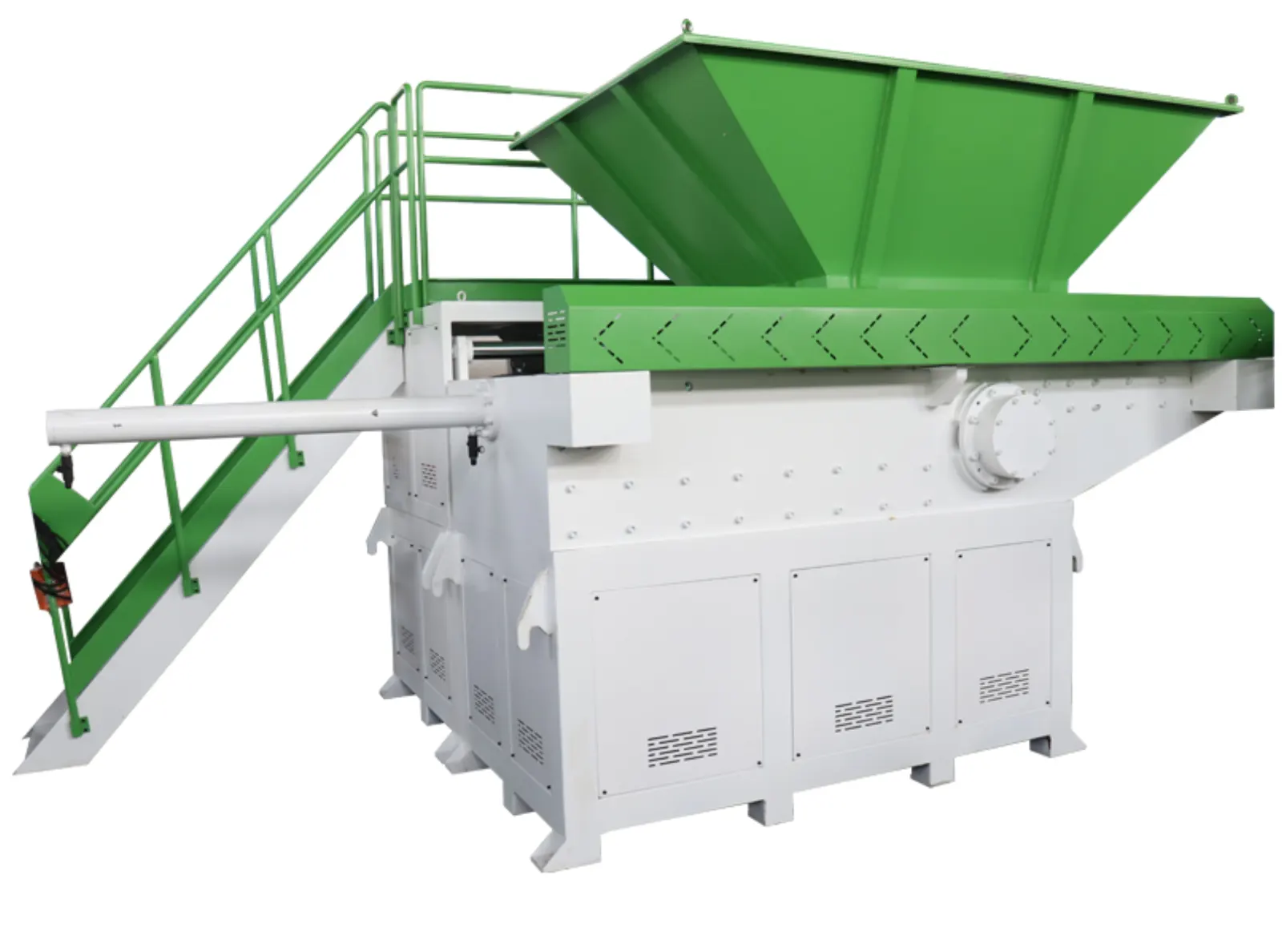
The reliability of a plastic shredder recycling machine depends heavily on its structural design and component quality.
The shredding chamber is typically constructed from thick, reinforced steel plates to withstand high mechanical stress. Inside the chamber, the rotor shaft carries multiple hardened alloy steel blades arranged to maximize cutting efficiency.
Blade geometry plays a critical role. Hook-style blades are often used for film and woven materials, while flat or V-shaped blades are suitable for rigid plastics such as HDPE containers. Proper blade clearance adjustment ensures efficient cutting while minimizing wear.
The drive system usually includes a heavy-duty motor connected to a gearbox that delivers stable torque. For larger industrial models, hydraulic drive systems may be employed to handle extremely thick or dense plastic waste.
A screening system located beneath the rotor controls output size. Screen hole diameter is selected based on downstream requirements—smaller holes produce finer output but may reduce throughput.
Single-Shaft and Double-Shaft Configurations
Plastic shredders for HDPE, PP, and PET recycling are commonly available in single-shaft and double-shaft configurations, each suited for different applications.
Single-shaft shredders are equipped with a hydraulic pusher that forces material toward the rotating rotor. They provide precise control over output size and are often used when uniform particle size is required before granulation or washing. PET bottle recycling systems frequently use this configuration.
Double-shaft shredders utilize two counter-rotating shafts that pull and tear materials aggressively. They are highly effective for bulky items such as HDPE barrels or thick PP crates. Their structure is simpler, and they offer strong pulling force for heavy-duty applications.
The selection depends on material type, required output size, and production capacity.
Integration into Complete Recycling Lines
In practical applications, a plastic shredder recycling machine is not a standalone solution. It forms the first stage of a comprehensive recycling system.
For PET bottle recycling, compressed bottle bales are first fed into the shredder to break them into manageable pieces. The material then moves to wet crushers, washing tanks, friction washers, and drying units before further processing.
In HDPE barrel recycling, shredders reduce the size of large containers so that secondary crushers can refine the material into flakes suitable for extrusion and pelletizing.
Proper shredder performance ensures consistent feeding for downstream equipment, reduces machine wear, and improves washing efficiency by increasing surface area exposure.
Operational Stability and Energy Efficiency
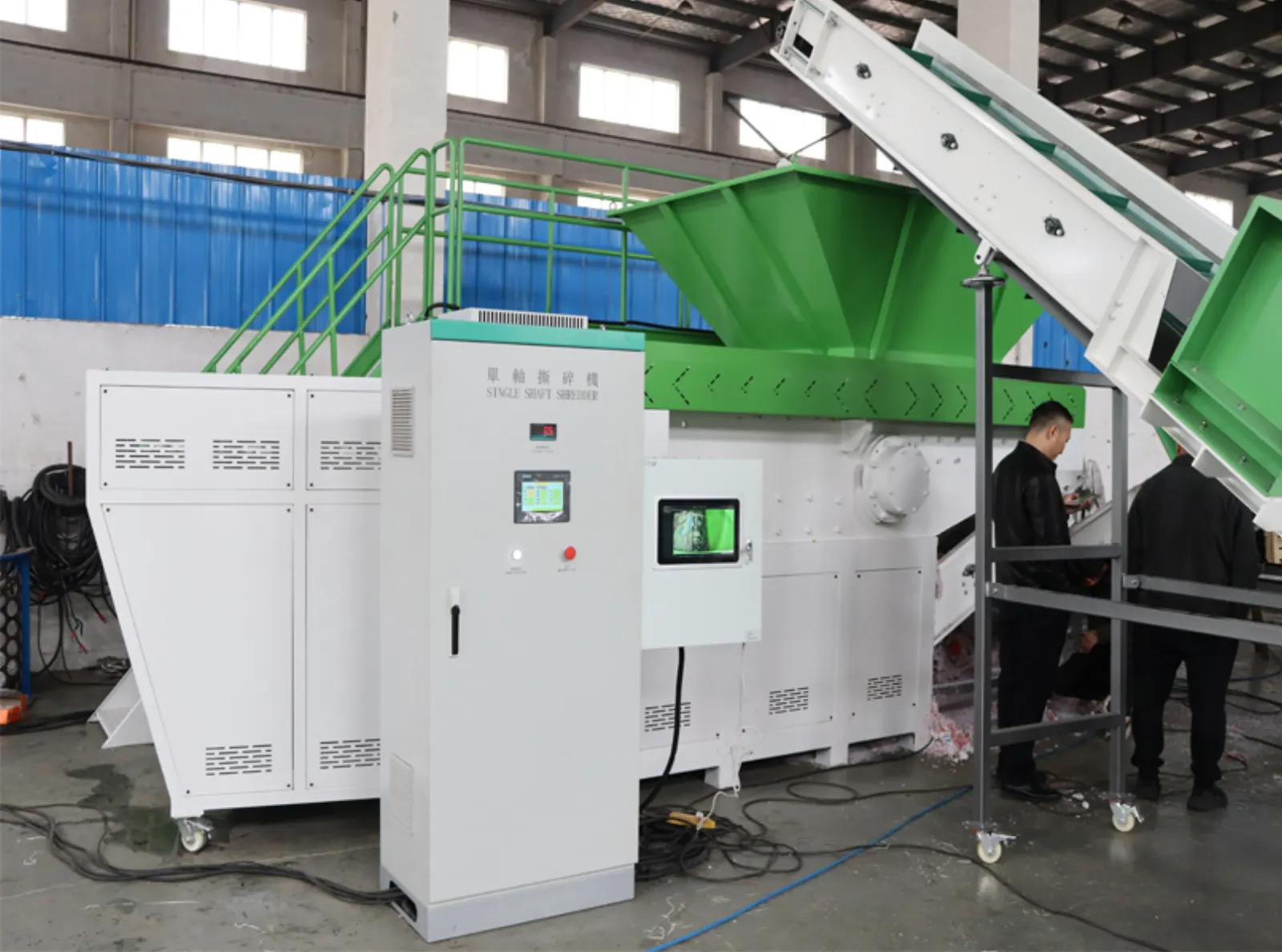
Modern plastic recycling facilities demand continuous operation with minimal downtime. Therefore, plastic shredder recycling machines are designed with protective and intelligent control systems.
Features such as automatic overload protection, reverse rotation to clear jams, and PLC-based monitoring systems enhance reliability. Variable frequency drives (VFD) allow operators to adjust rotor speed based on material characteristics, optimizing both energy consumption and output stability.
Low-speed shredding inherently consumes less energy compared to high-speed impact crushing. Additionally, optimized blade design reduces cutting resistance, contributing to improved overall efficiency.
For large-scale HDPE and PP recycling plants, stable 24-hour operation is often required. Durability, ease of maintenance, and spare parts availability become key considerations.
Maintenance and Long-Term Performance
Routine maintenance plays a critical role in sustaining shredding performance. Blade inspection and timely sharpening are essential, especially when processing abrasive PET materials. Bearings and gearboxes must be lubricated regularly to prevent overheating and premature wear.
High-quality alloy steel blades with proper heat treatment significantly extend service life. Although the initial investment may be higher, superior blade materials reduce long-term operational costs and downtime.
A well-maintained shredder not only improves productivity but also ensures consistent output quality, which is vital for downstream washing and pelletizing stages.
Conclusion
A plastic shredder recycling machine is the foundation of efficient HDPE, PP, and PET waste processing. By transforming bulky plastic waste into uniform and manageable fragments, shredders enable stable feeding, improved washing efficiency, and reliable downstream extrusion.
From rigid HDPE containers and diverse PP products to brittle PET bottles, each material presents unique challenges that require thoughtful machine configuration. Proper selection of shaft type, blade design, motor power, and screening system ensures optimal performance.
In today’s rapidly growing recycling industry, investing in a robust and well-designed plastic shredder is not simply a matter of size reduction—it is a strategic decision that directly impacts production stability, energy efficiency, and long-term profitability.
ABOUT THIS UPDATE
Published by Retech Marketing & Communications Team
The Retech Marketing & Communications Team publishes official company news, exhibition information, factory updates, project milestones and product announcements.
For technical questions about plastic recycling systems, please contact our engineering team.