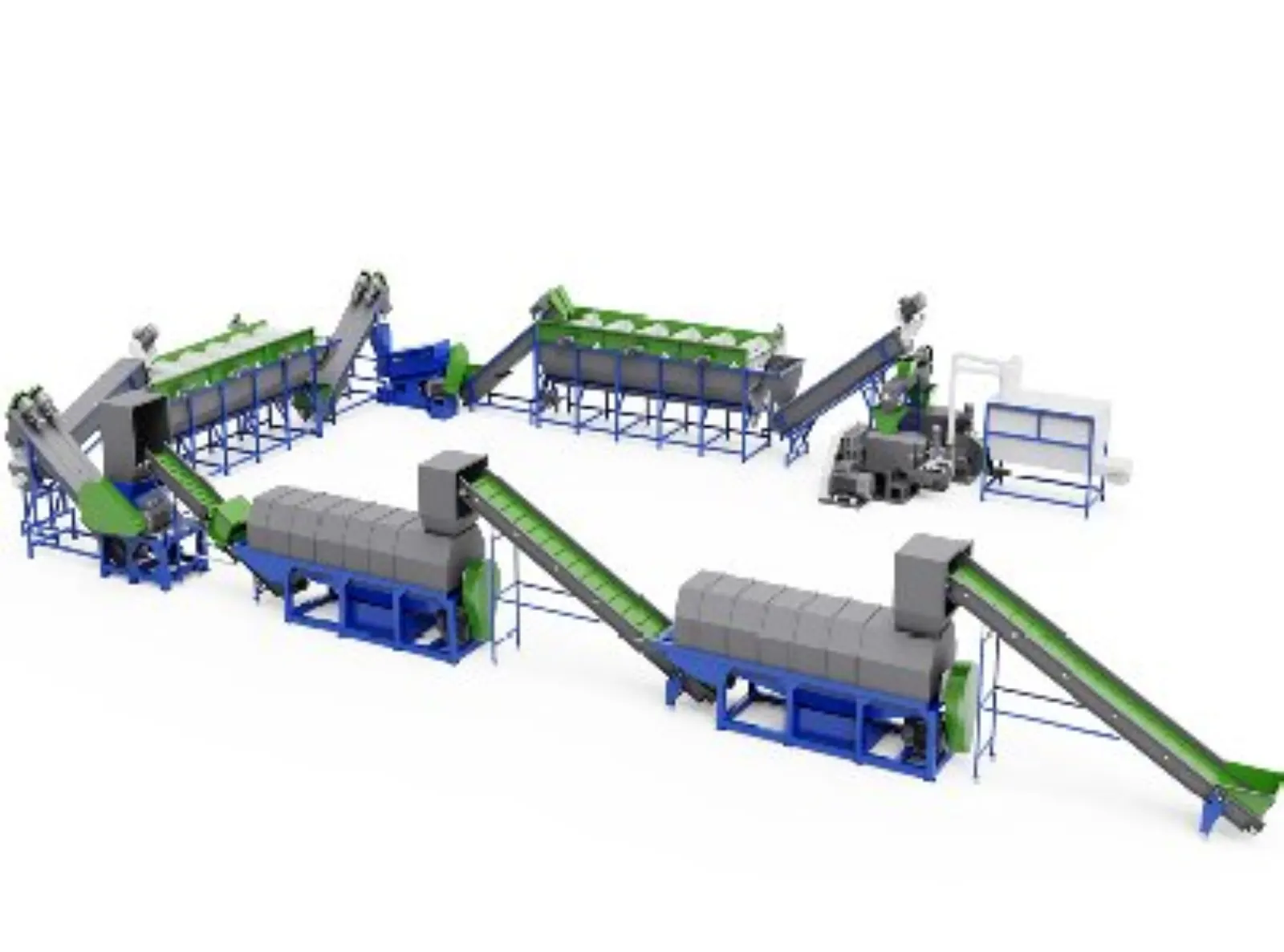
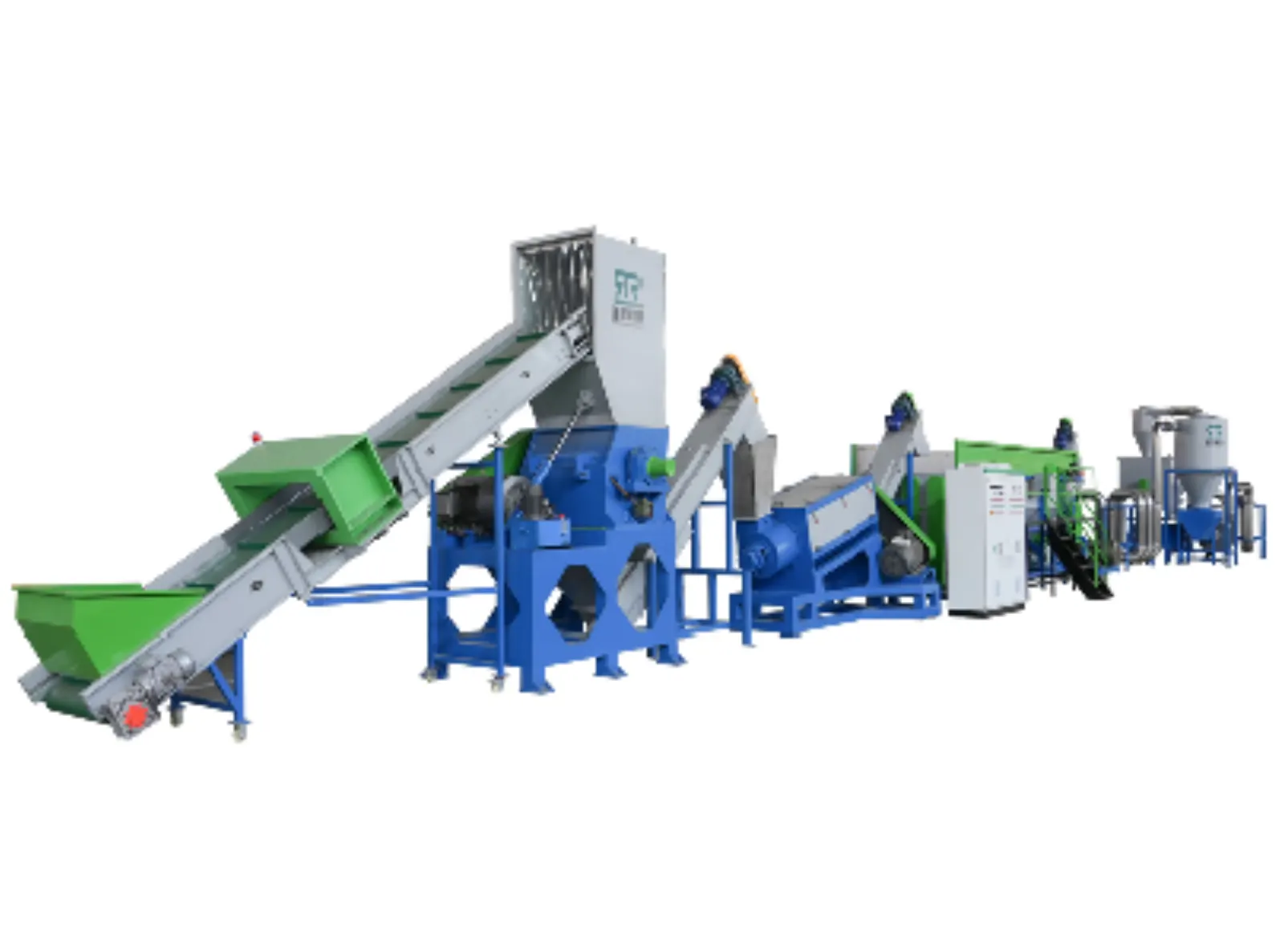
Plastic recycling does not begin with extrusion or pelletizing—it begins with cleanliness. Before waste plastic can be transformed into a usable raw material, it must first be freed from the dirt, residues, and contaminants it has collected throughout its lifecycle. This is where plastic washing lines quietly become one of the most decisive factors in recycling success.
In real-world recycling operations, plastic waste rarely arrives in ideal condition. Bottles may contain food residue, films are often mixed with sand and organic matter, and industrial scrap can carry oils or fine dust. If these impurities are not removed effectively, they compromise every downstream process, from melting stability to final product appearance. A plastic washing line acts as the foundation that determines whether recycled material is merely processed—or truly reusable.
The Reality of Contaminated Plastic Streams
Modern plastic waste streams are increasingly complex. Multi-source collection systems bring together materials with different contamination levels, and even plastics from controlled industrial environments can contain substances that interfere with recycling. Labels, adhesives, grease, and microscopic particles may seem minor, but collectively they have a major impact on material quality.
Without proper washing, these contaminants do not disappear during extrusion. Instead, they reappear as black spots, odors, weak mechanical properties, or unstable production conditions. This is why washing is not simply a cleaning step, but a quality-control process that directly affects the value of recycled plastic.
More Than Cleaning: The Function of a Washing Line
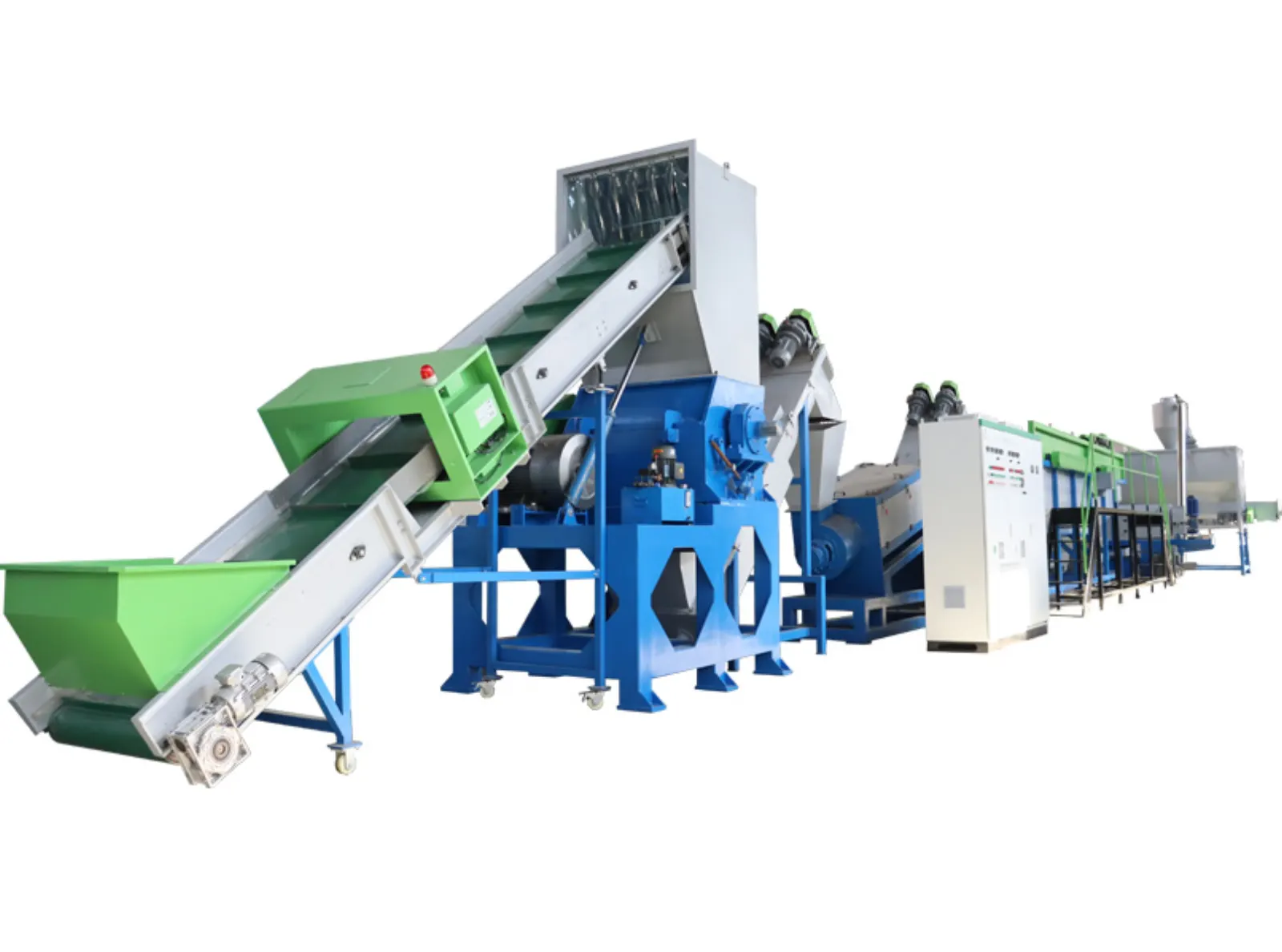
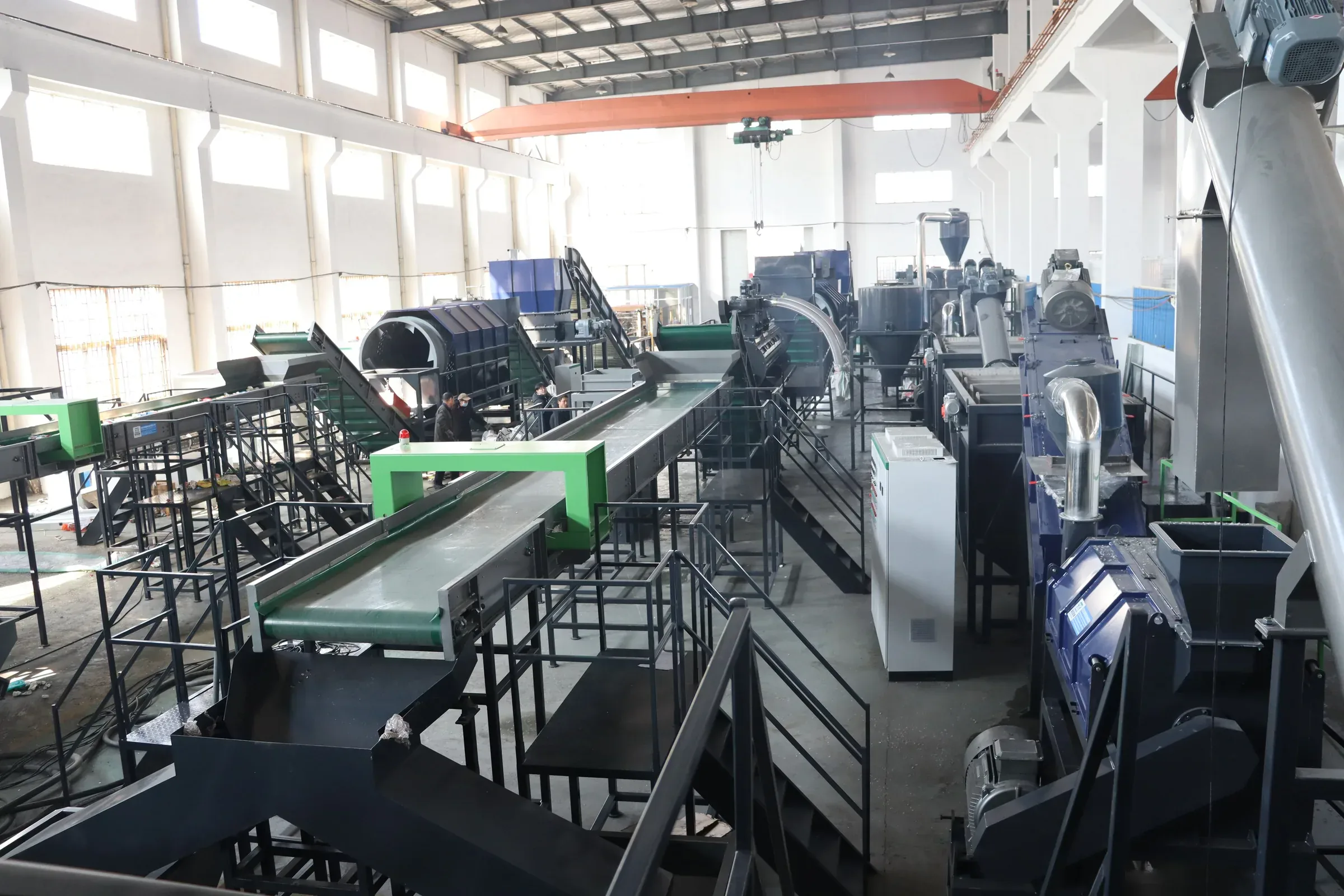
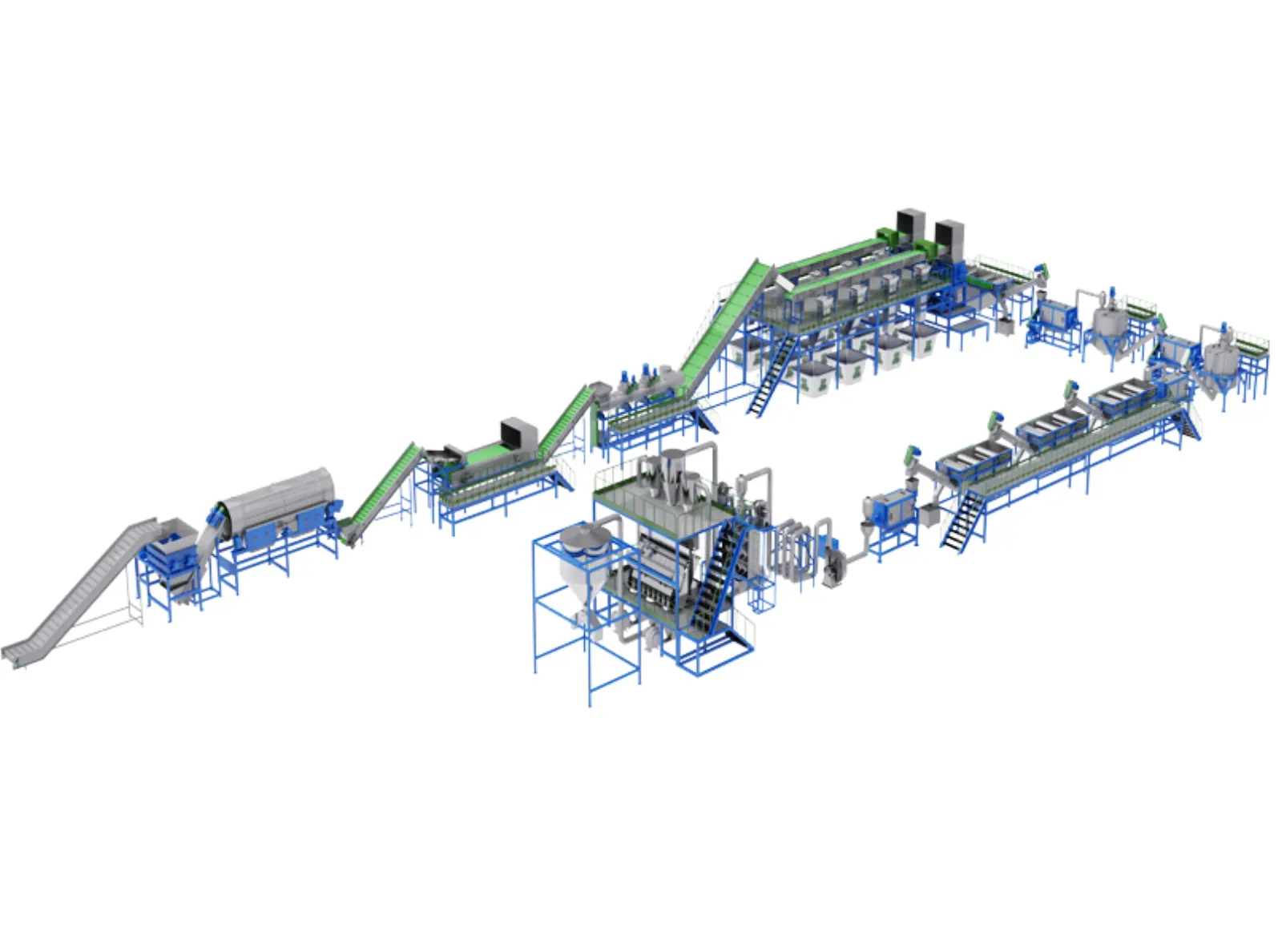
A plastic washing line is designed to do more than rinse plastic flakes with water. It is a structured process that combines mechanical action, thermal treatment, and material separation to achieve consistent cleanliness. Each stage addresses a specific type of contamination, ensuring that plastic entering the next phase of recycling behaves predictably.
By stabilizing input quality, washing lines allow recyclers to maintain steady output, reduce material loss, and meet the expectations of manufacturers who rely on recycled plastics as a production input.
This article is carried over from the Retech technical archive and keeps its original URL.
ABOUT THIS UPDATE
Published by Retech Marketing & Communications Team
The Retech Marketing & Communications Team publishes official company news, exhibition information, factory updates, project milestones and product announcements.
For technical questions about plastic recycling systems, please contact our engineering team.