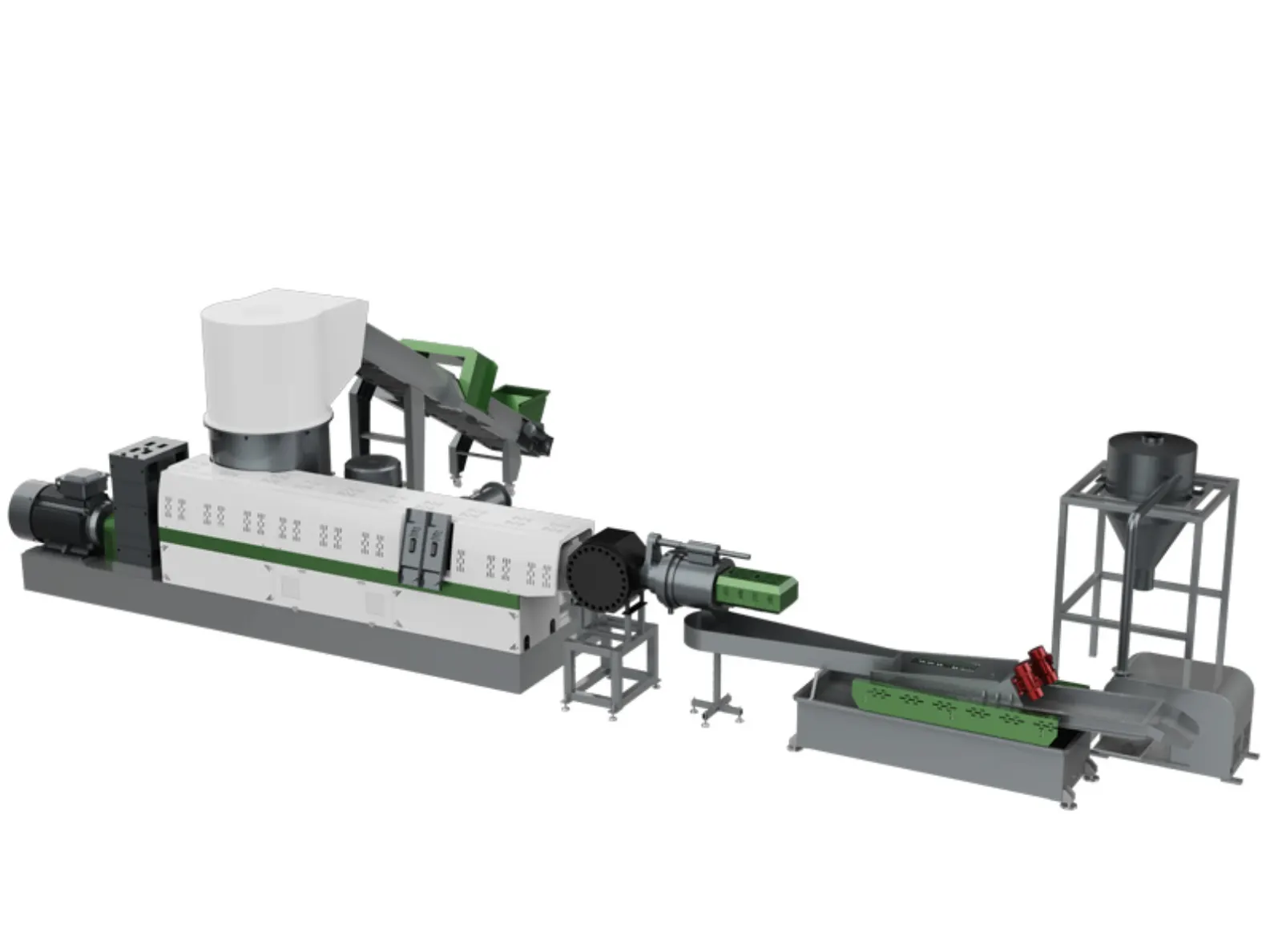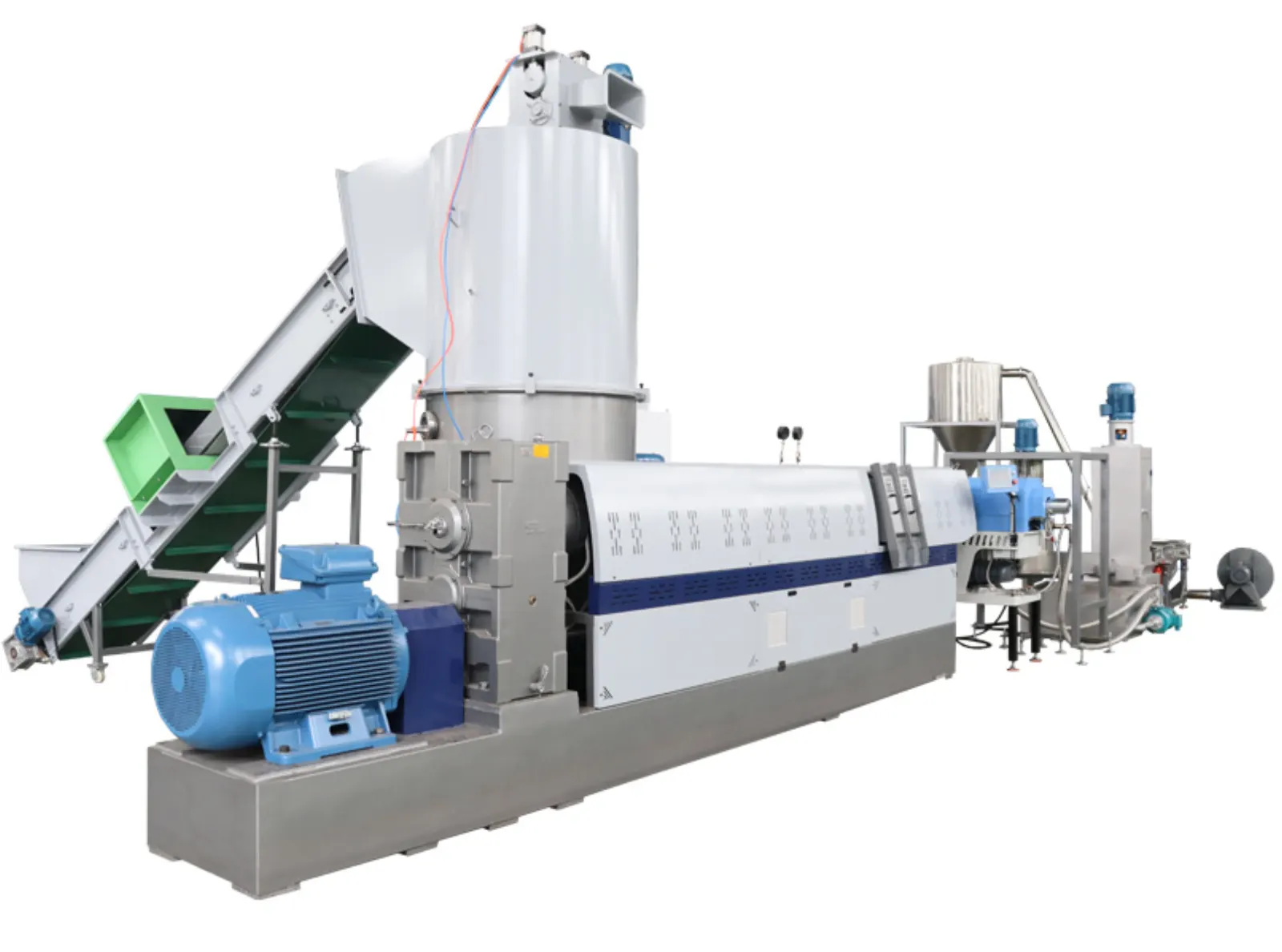
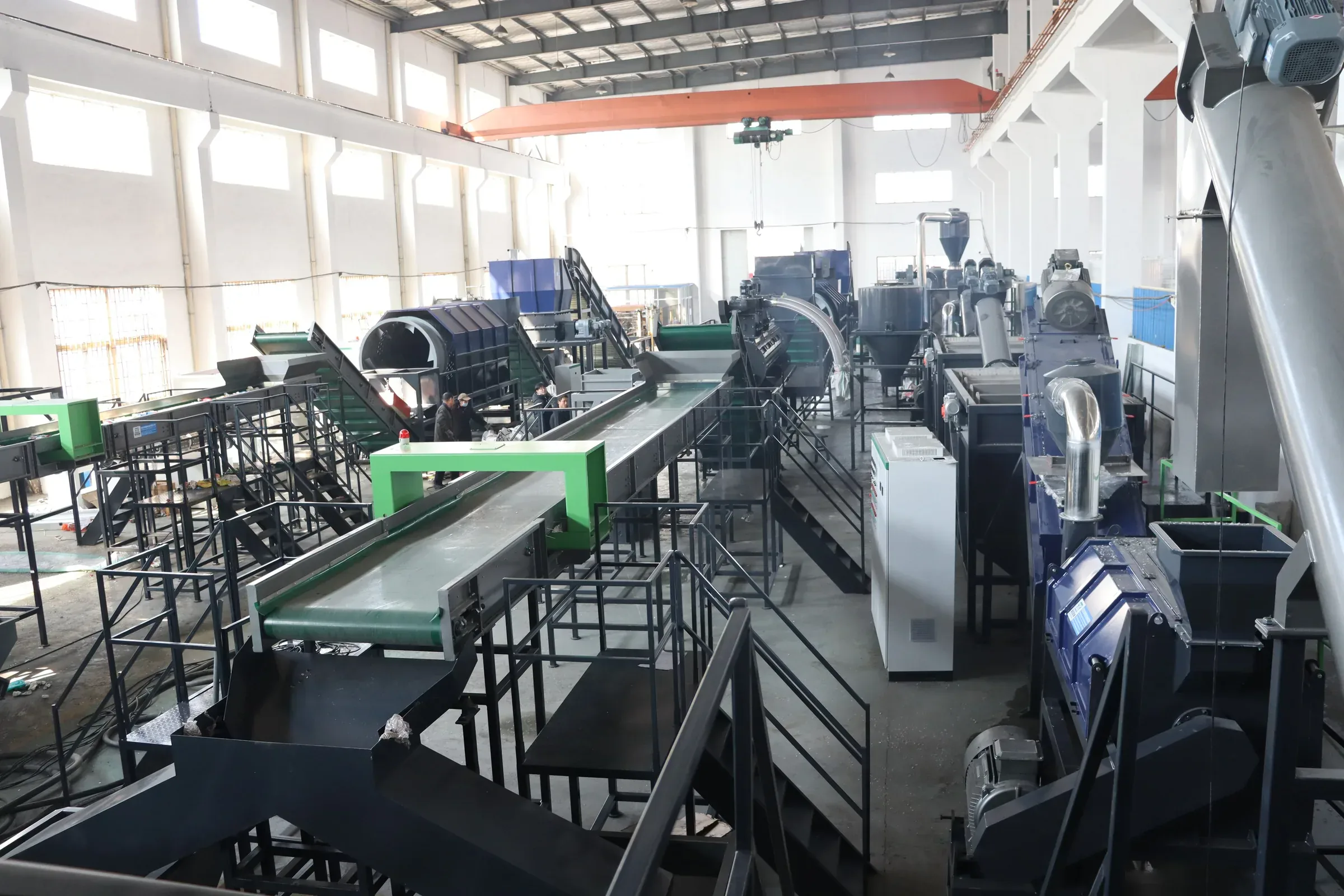
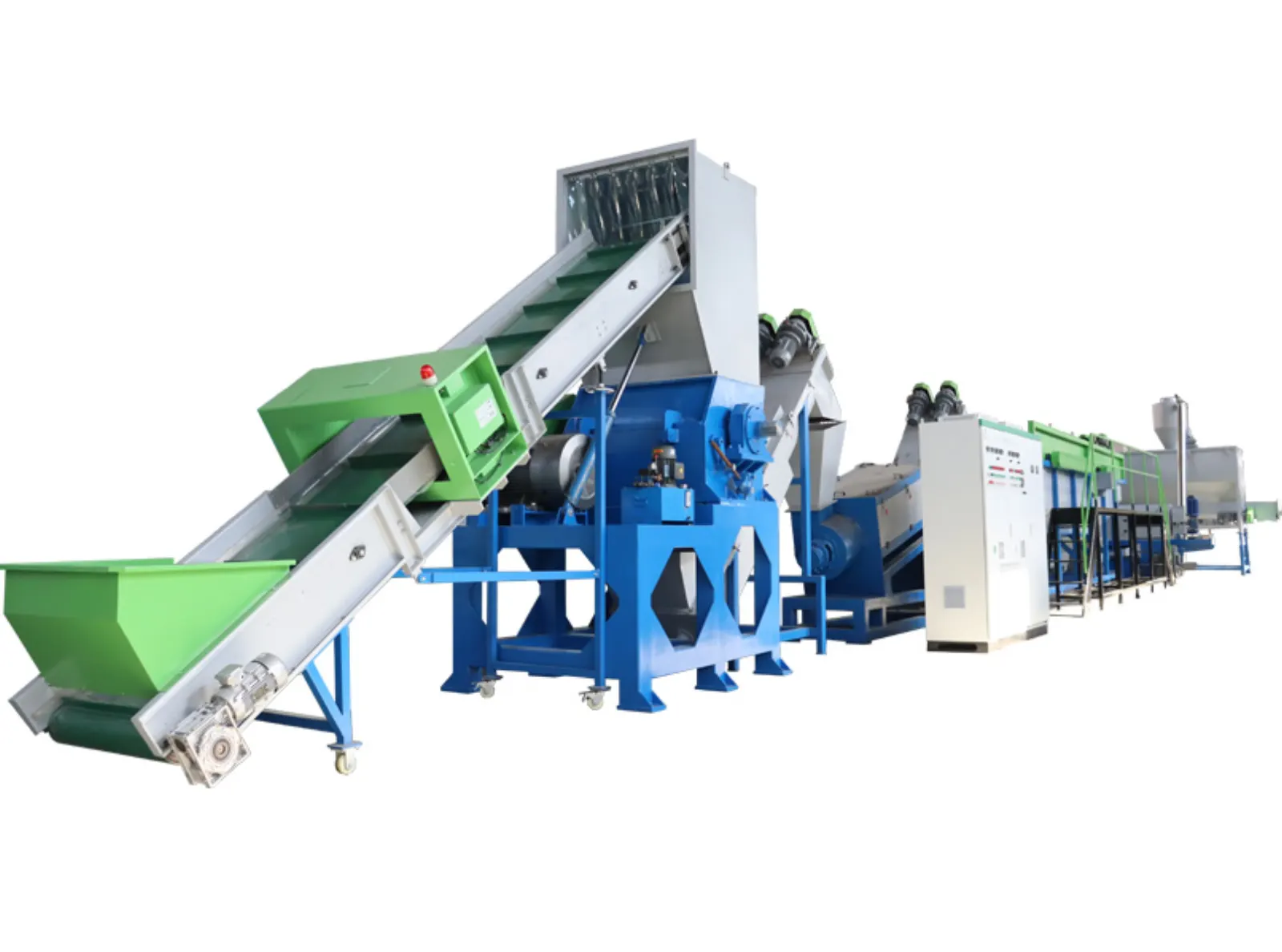
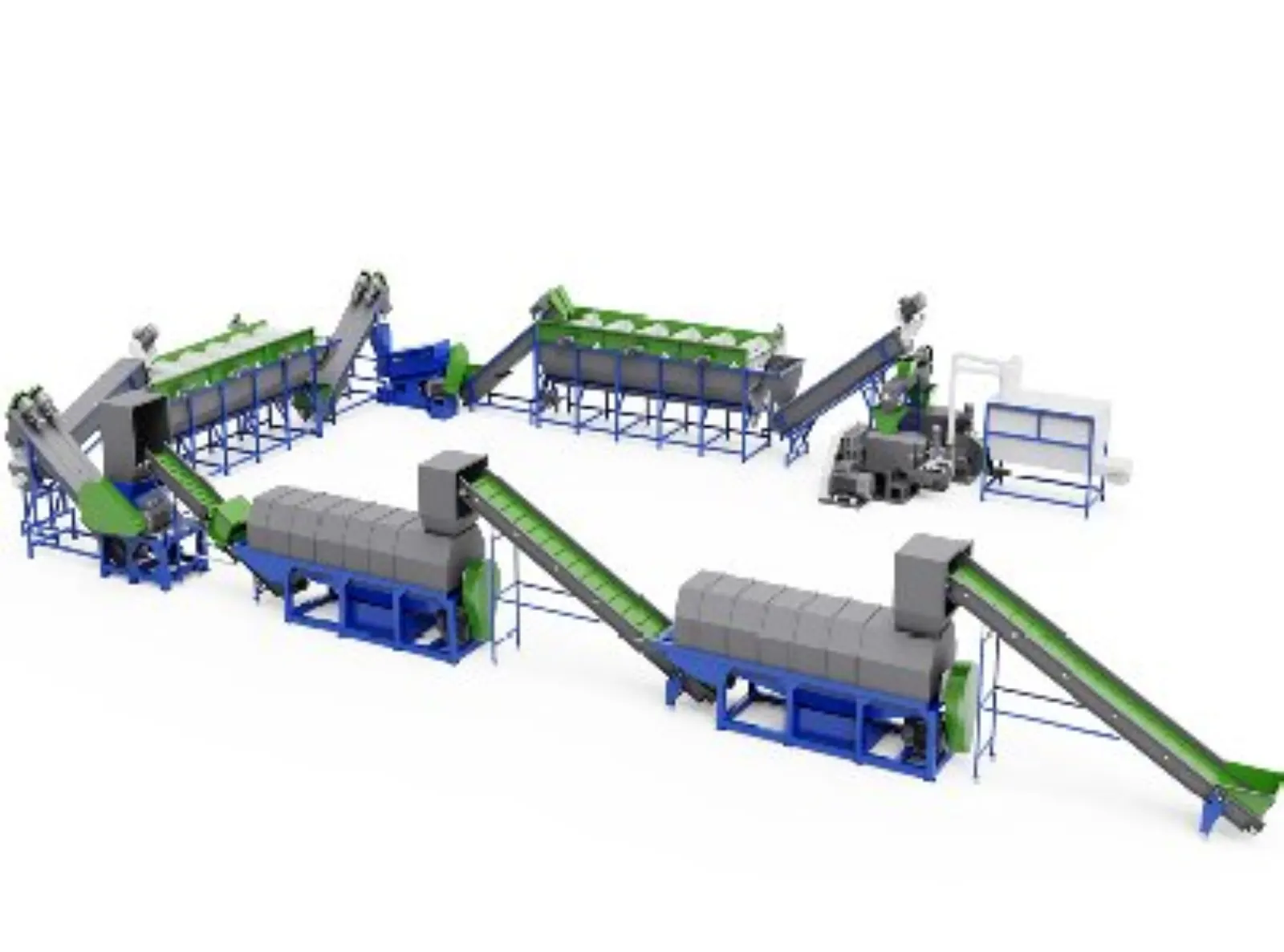
As global awareness of plastic waste grows, plastic recycling lines have become a critical part of modern manufacturing and environmental management. However, despite their increasing adoption, many misconceptions still surround how plastic recycling lines work and what they can realistically achieve. One of the most common questions is whether a single recycling line can process all plastics. In reality, the answer is far more complex.
This article explores five widespread myths about plastic recycling lines, clarifying what these systems can and cannot do, and helping recyclers and manufacturers make more informed decisions.
Myth 1: One Plastic Recycling Line Can Process All Types of Plastics
One of the biggest misconceptions is that a plastic recycling line is universal and capable of handling every type of plastic. In practice, plastics vary significantly in melting temperature, density, chemical structure, and mechanical behavior. PET, HDPE, PP, LDPE, ABS, and PVC all require different processing conditions.
A recycling line designed for PET bottles, for example, cannot efficiently process PVC or ABS without major modifications. Mixing incompatible plastics often leads to poor material quality, unstable extrusion, and unusable end products. This is why most industrial recycling lines are engineered for specific plastic types or closely related material groups.
Myth 2: Sorting Is Optional Because Machines Can Separate Plastics Automatically
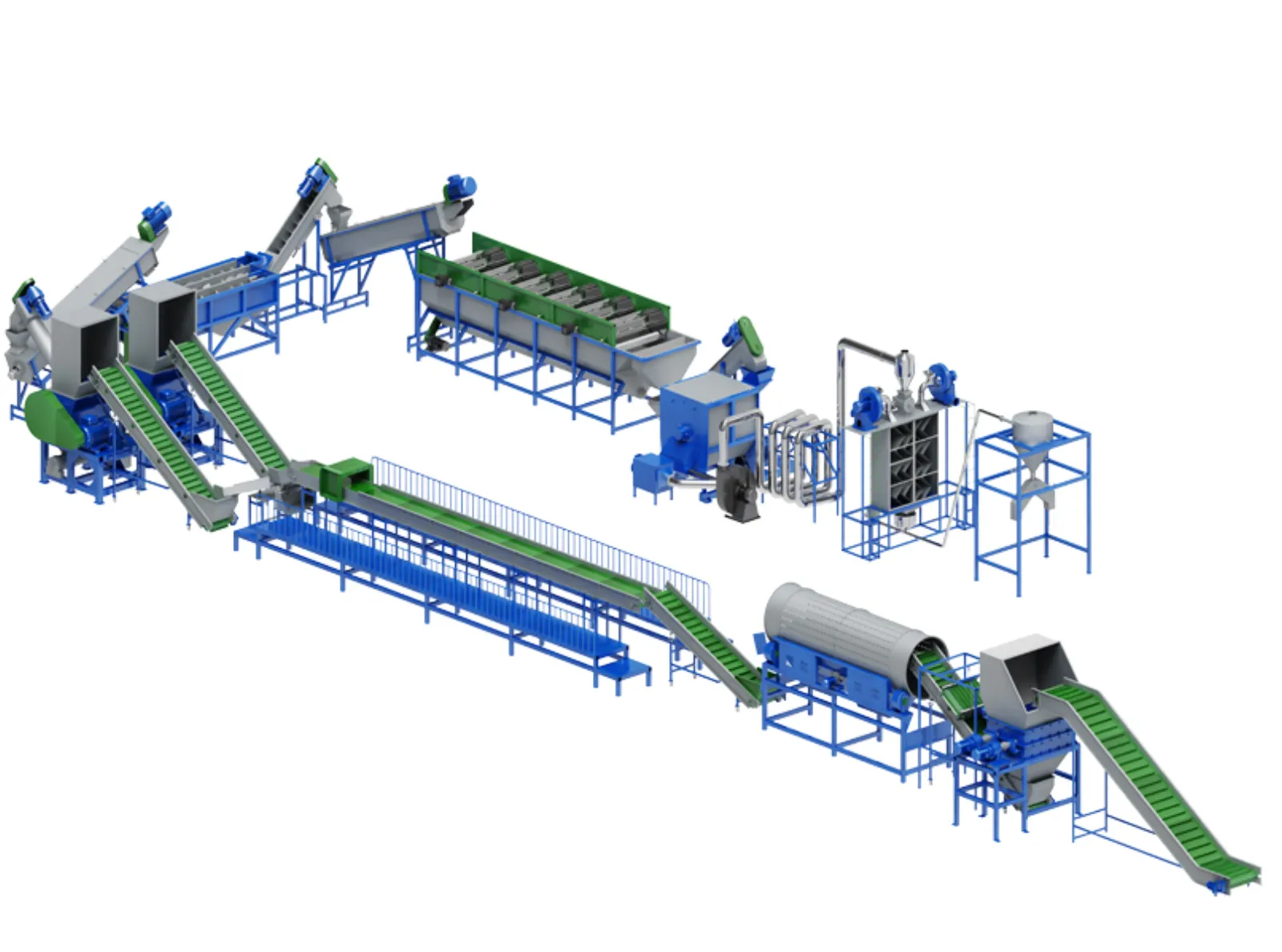
Many people believe advanced recycling lines can fully replace manual or pre-sorting processes. While modern systems do include metal detectors, optical sorters, and density-based separation tanks, these technologies are not a complete substitute for proper material sorting.
Incorrectly sorted plastics can contaminate entire batches, reduce pellet quality, and even damage machinery. For example, small amounts of PVC mixed into PET recycling can cause degradation during melting. Effective recycling still relies heavily on upstream sorting, whether manual or automated, to ensure consistent input material.
Myth 3: All Plastic Waste Is Suitable for Recycling Lines
Not all plastic waste is suitable for mechanical recycling, even with a high-quality recycling line. Heavily contaminated plastics, multi-layer packaging, composite materials, and plastics mixed with fibers or metals often pose serious challenges.
While some recycling lines can handle moderately contaminated materials through intensive washing and filtration, severely degraded or composite plastics may require chemical recycling or energy recovery instead. Assuming that any plastic waste can simply be fed into a recycling line often leads to unrealistic expectations and operational inefficiencies.
Myth 4: Recycling Lines Always Produce High-Quality Recycled Plastic
Another common myth is that recycled plastic pellets will always match the quality of virgin materials. In reality, material quality depends on several factors, including input cleanliness, polymer degradation, processing temperature, and filtration efficiency.
Mechanical recycling typically shortens polymer chains over repeated cycles, which can reduce strength, clarity, or impact resistance. While advanced recycling lines can significantly improve output quality through melt filtration and degassing, recycled plastics are often better suited for specific applications rather than all high-performance uses.
Myth 5: Plastic Recycling Lines Are Simple and Low-Maintenance Systems
From the outside, a plastic recycling line may appear to be a straightforward combination of machines. In practice, these systems require careful operation, regular maintenance, and experienced technical management.
Washing systems must be monitored to ensure proper cleaning efficiency, extruders require precise temperature control, and filters need regular replacement. Neglecting maintenance can quickly result in downtime, inconsistent output, and higher operating costs. Successful recycling operations depend as much on skilled operation as on equipment quality.
Why Plastic Recycling Lines Must Be Customized
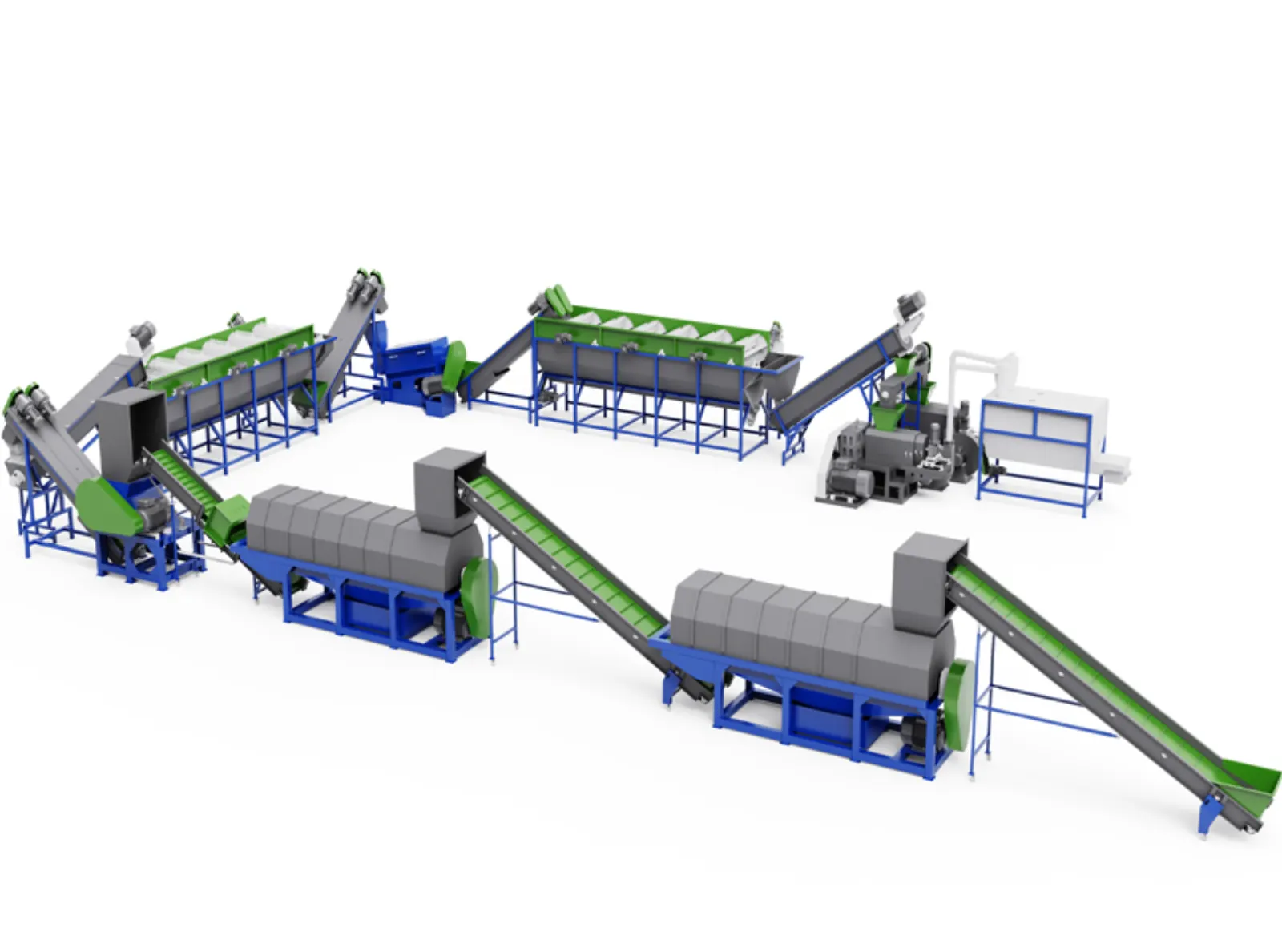
The reality behind these myths highlights an important truth: effective plastic recycling lines are highly customized systems. Line configuration depends on plastic type, contamination level, target capacity, and final product requirements. A well-designed recycling line is the result of careful planning rather than a standard, off-the-shelf solution.
Customization ensures stable operation, better energy efficiency, and higher-quality recycled output. It also allows recyclers to adapt to changing material streams and market demands.
The Real Answer: Can Recycling Lines Process All Plastics?
Plastic recycling lines are powerful tools, but they are not universal solutions. They cannot process all plastics in a single system, nor can they eliminate the need for sorting, cleaning, and quality control. However, when properly designed and operated, they can efficiently recycle specific plastic streams and transform waste into valuable raw materials.
Understanding the limitations of plastic recycling lines is just as important as recognizing their capabilities. By moving beyond these common myths, businesses can make smarter investments and contribute more effectively to a sustainable and circular plastics economy.
ABOUT THIS UPDATE
Published by Retech Marketing & Communications Team
The Retech Marketing & Communications Team publishes official company news, exhibition information, factory updates, project milestones and product announcements.
For technical questions about plastic recycling systems, please contact our engineering team.