Plastic waste has become one of the most pressing environmental challenges worldwide, and efficient recycling is no longer optional—it is essential. At the heart of modern plastic recycling operations is the plastic recycling line, a complete system designed to convert plastic waste into reusable raw materials. Understanding how a plastic recycling line works, what equipment it includes, and where it is applied can help manufacturers, recyclers, and investors make informed decisions in this rapidly growing industry.
Understanding the Concept of a Plastic Recycling Line
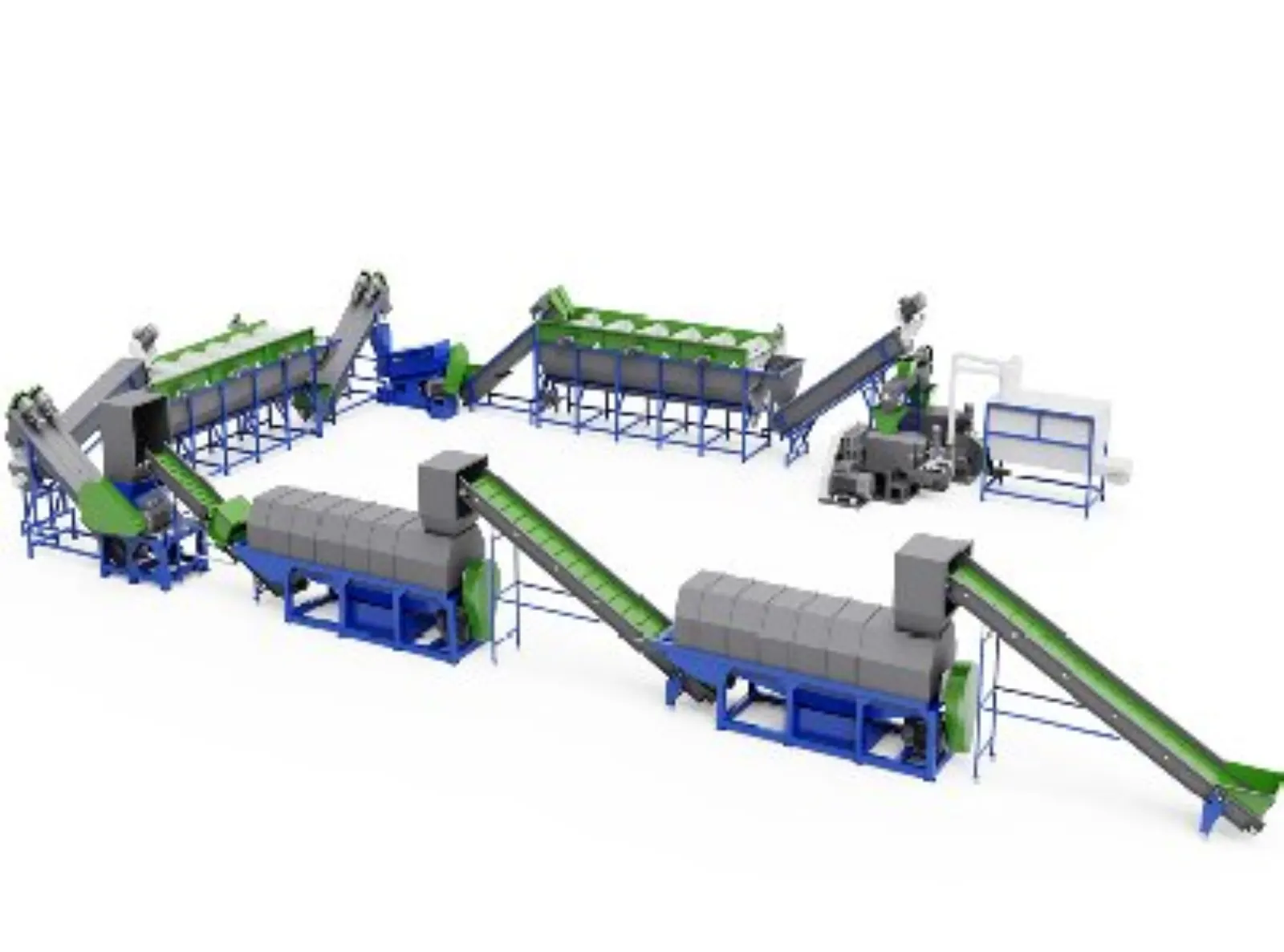
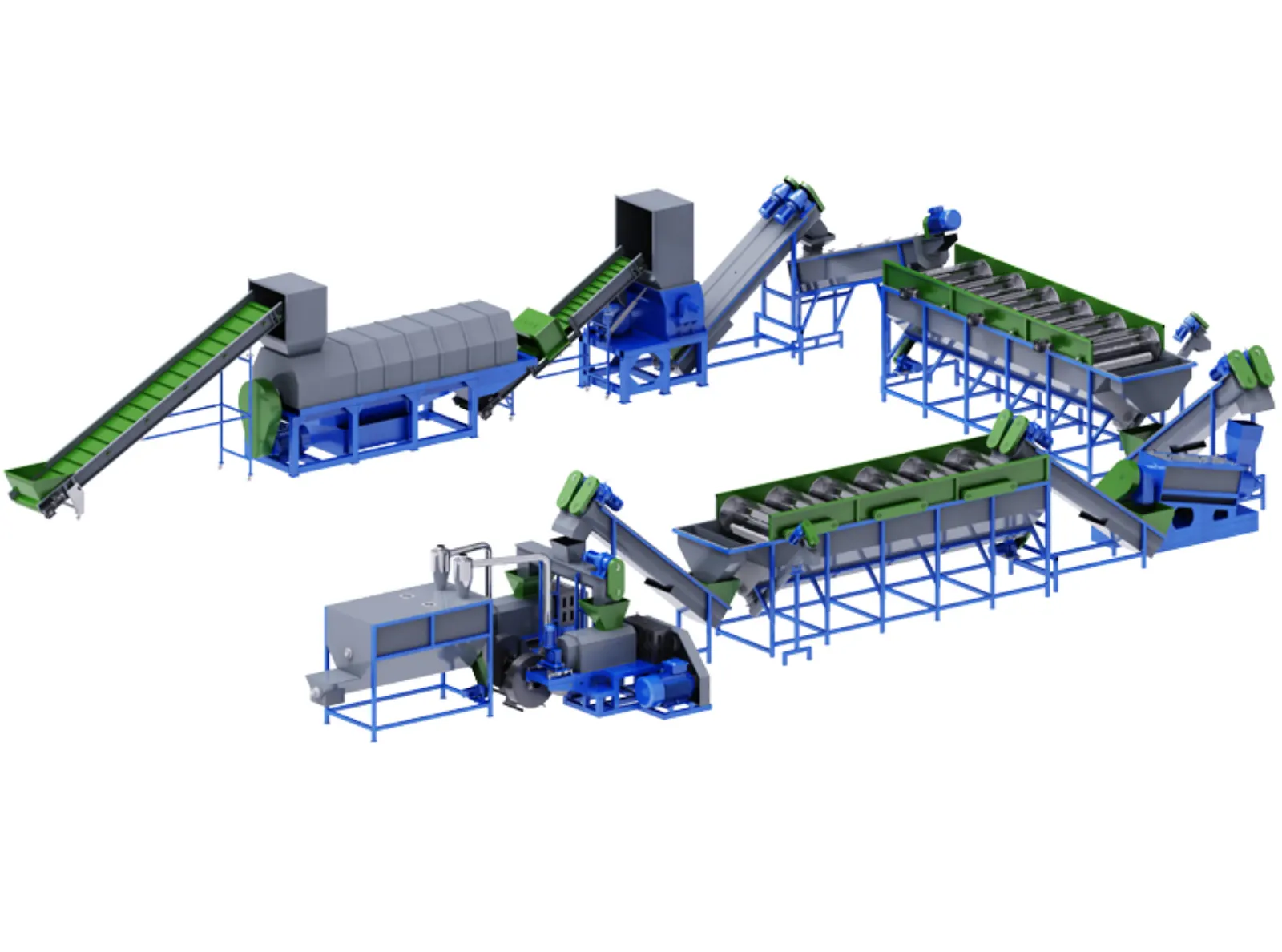
A plastic recycling line is an integrated production system that processes post-consumer or post-industrial plastic waste into clean, uniform plastic flakes or pellets. These recycled materials can then be used to manufacture new plastic products, reducing the need for virgin plastics and lowering overall production costs.
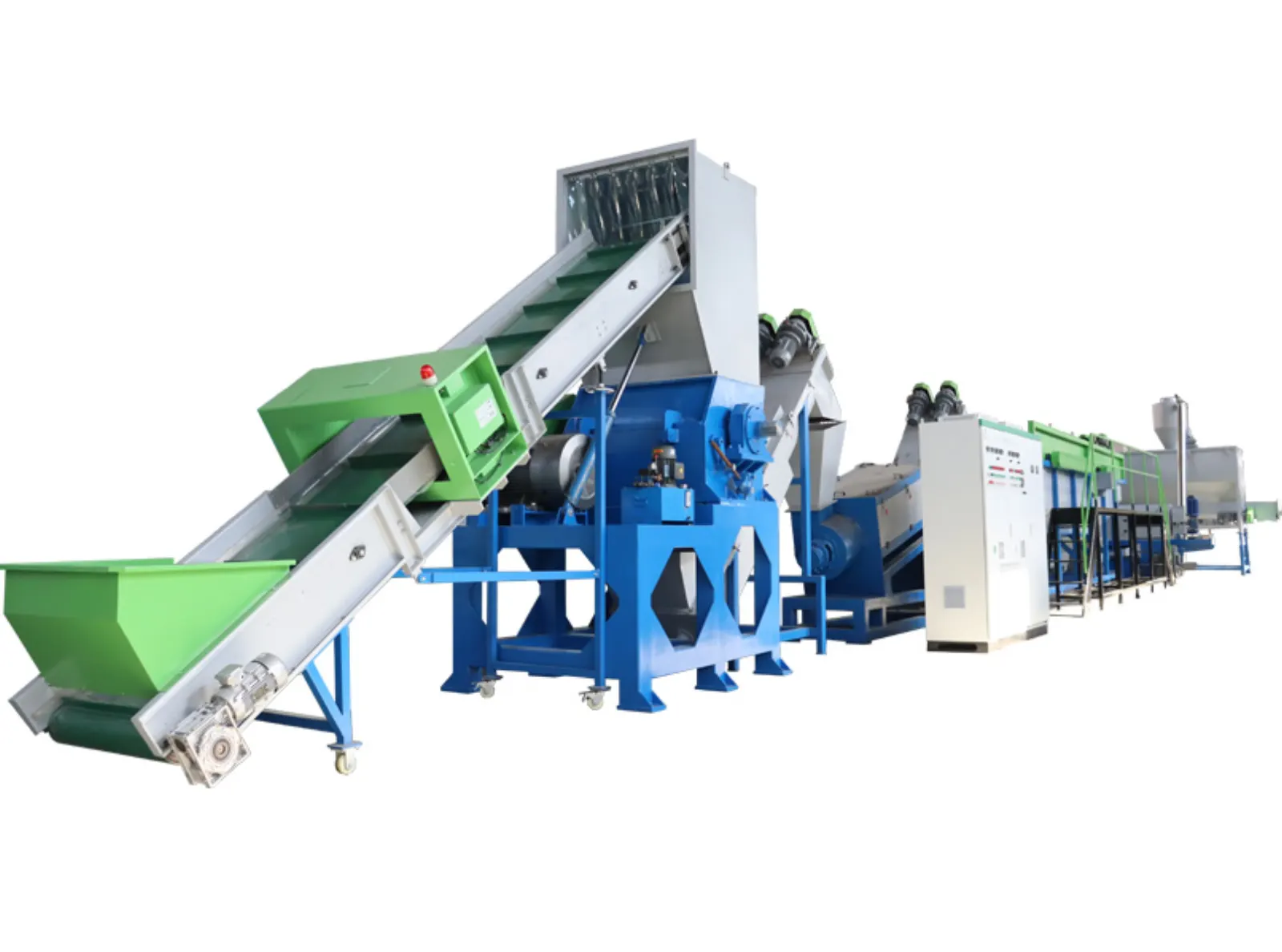
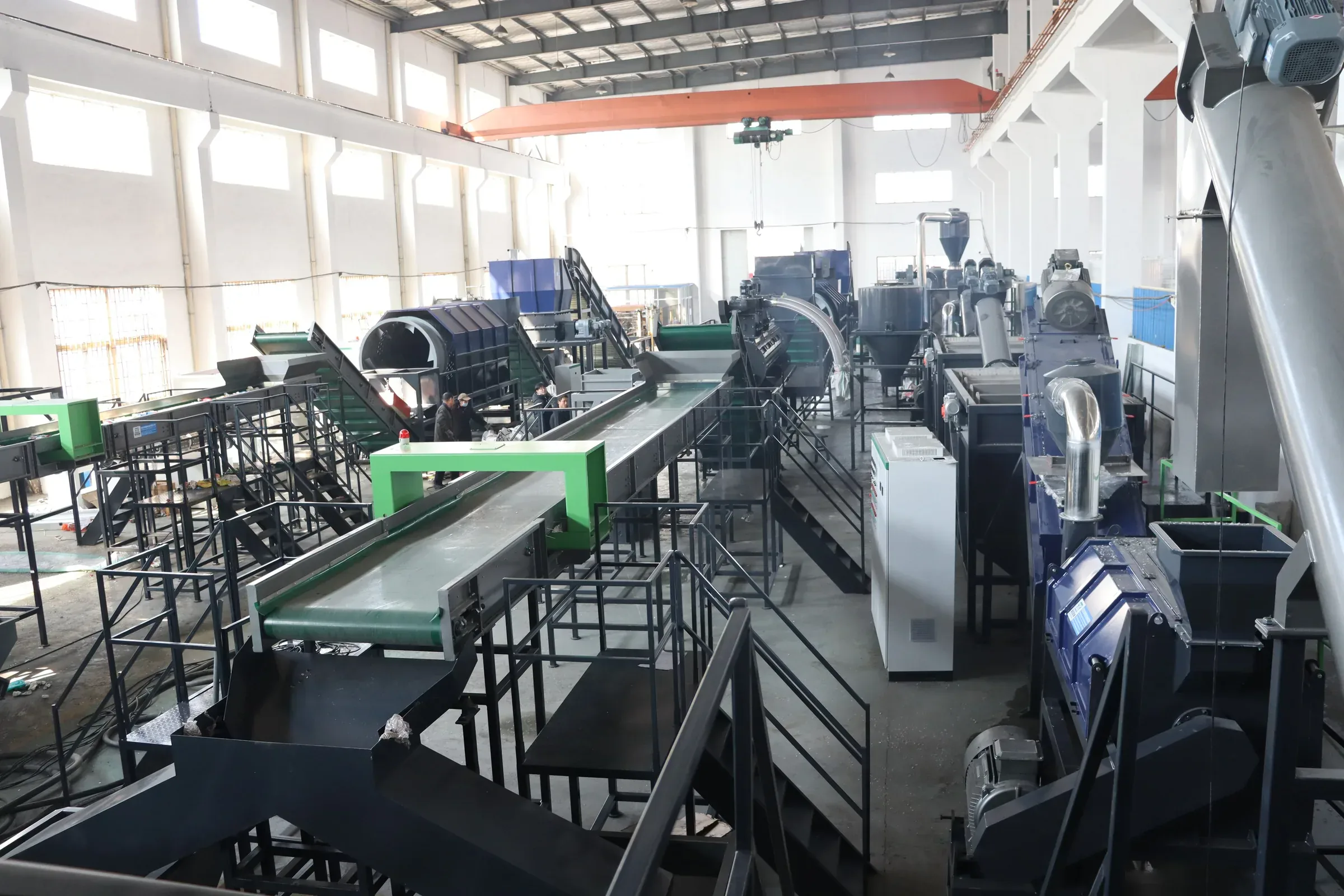
Unlike a single machine, a recycling line is a coordinated sequence of equipment. Each stage performs a specific function, such as size reduction, cleaning, drying, or pelletizing. The line is designed according to the type of plastic being recycled, the contamination level, and the final output requirements.
Types of Plastics Commonly Processed in Recycling Lines
Plastic recycling lines are not “one-size-fits-all.” Different plastics have distinct physical and chemical properties, so recycling systems are often customized. Common materials include:
- PET (Polyethylene Terephthalate): Widely used for beverage bottles and food packaging
- HDPE (High-Density Polyethylene): Found in detergent bottles, pipes, and containers
- LDPE (Low-Density Polyethylene): Used in films, plastic bags, and packaging
- PP (Polypropylene): Common in automotive parts, household goods, and woven bags
- ABS, PS, and other engineering plastics: Typically from electronic waste and industrial scrap
Each plastic type requires specific processing temperatures, washing methods, and extrusion configurations.
Main Components of a Plastic Recycling Line
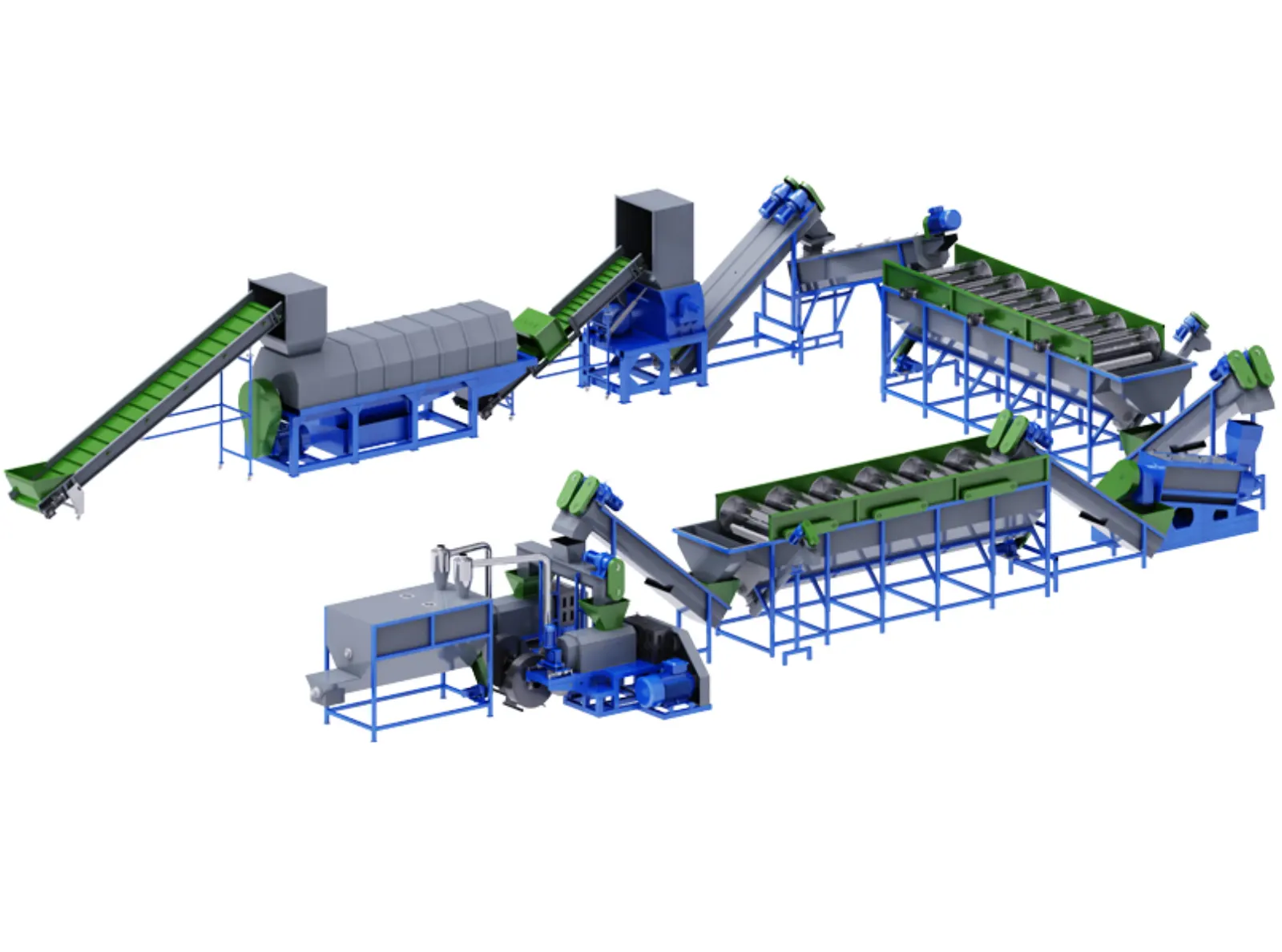
A complete plastic recycling line consists of several key machines working together. While configurations vary, the core components are generally consistent.
Crushing and Shredding System
The first step in recycling is size reduction. Plastic waste—often in the form of bottles, films, lumps, or rejected products—is fed into shredders or crushers. These machines reduce the material into manageable pieces, improving washing efficiency and preparing the plastic for further processing.
Washing and Cleaning Section
Washing is critical to producing high-quality recycled plastic. This stage removes dirt, labels, oils, adhesives, and other contaminants. Depending on the material, the line may include:
Cold washing tanks for basic cleaning
Hot washing systems for removing grease and stubborn residues
Friction washers for intensive surface cleaning
Floating and sinking tanks for material separation
Proper washing directly affects the purity and market value of the final recycled product.
Dewatering and Drying System
After washing, plastic flakes contain significant moisture. Dewatering machines, such as centrifugal dryers or screw presses, remove excess water. Thermal drying systems may then be used to achieve the low moisture levels required for extrusion and pelletizing.
Extrusion and Pelletizing Unit
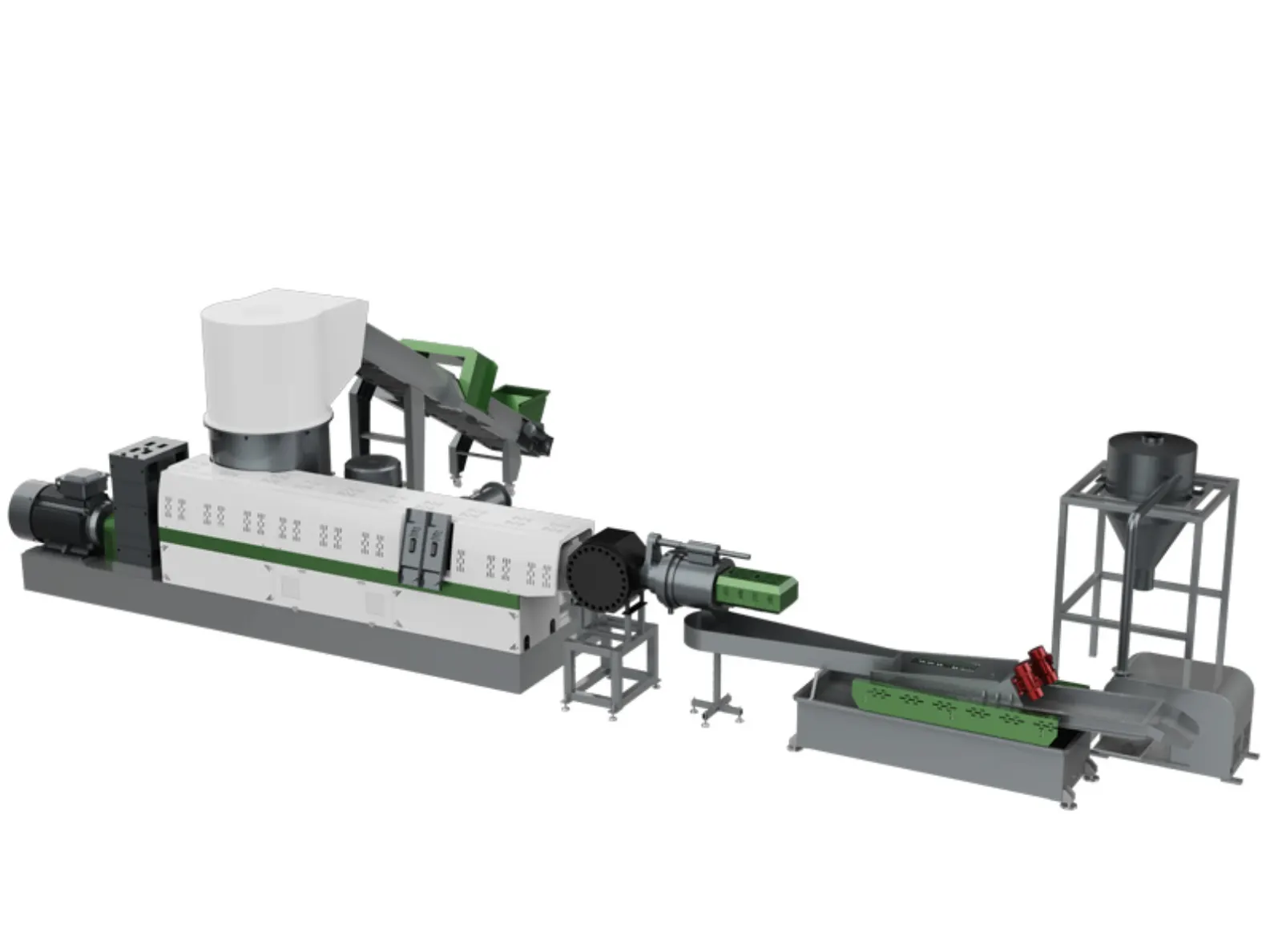
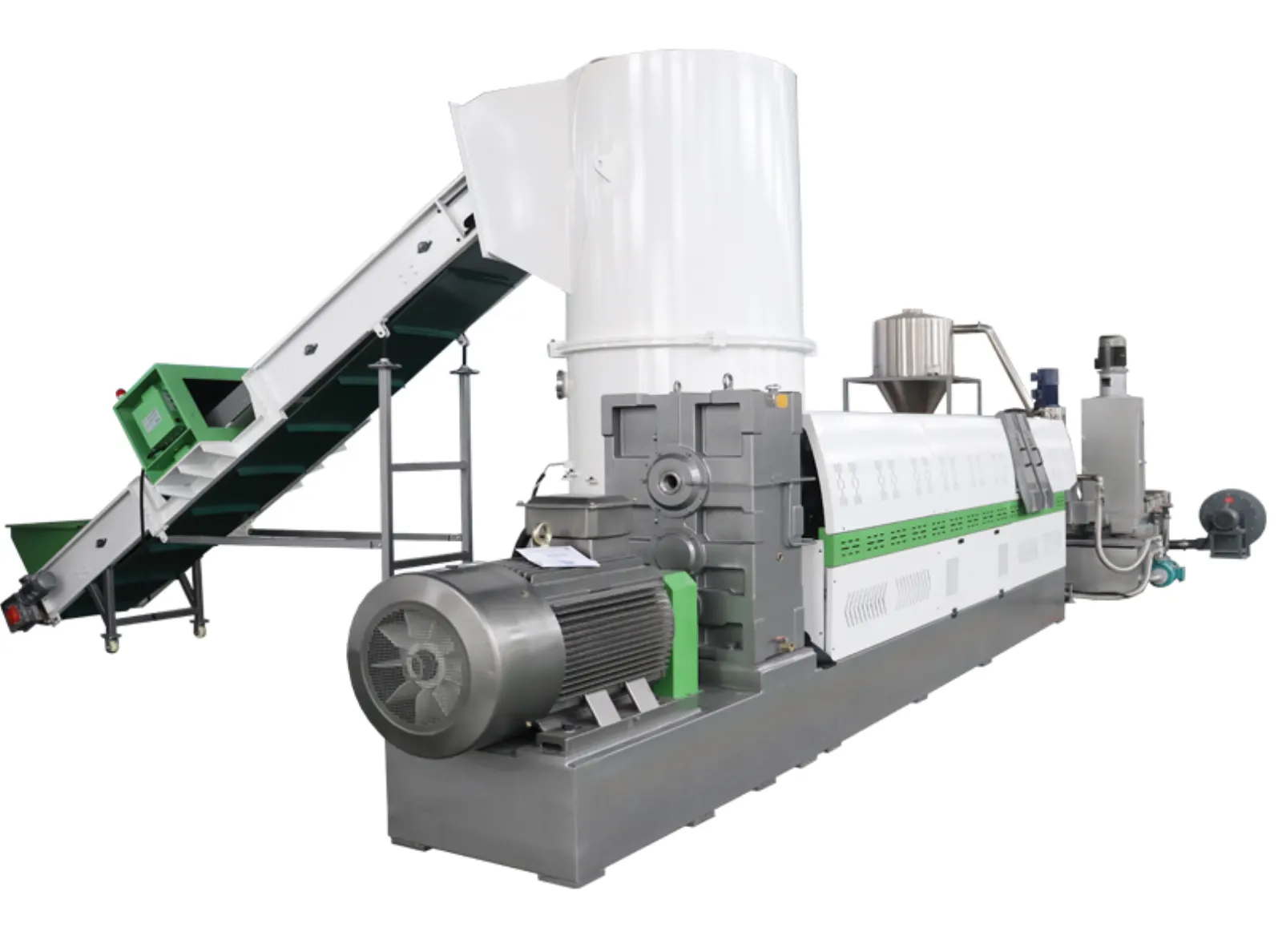
In pellet-based recycling lines, clean and dry plastic flakes are melted in an extruder. The molten plastic is filtered to remove fine impurities and then cut into uniform pellets using strand, water-ring, or underwater pelletizing systems. These pellets can be directly reused in plastic manufacturing processes.
How a Plastic Recycling Line Works in Practice
In a typical operation, plastic waste enters the line through a conveyor system. It is then progressively processed through shredding, washing, drying, and extrusion. Each stage is carefully synchronized to ensure consistent throughput and stable product quality.
Modern recycling lines often feature automated controls, allowing operators to monitor temperature, pressure, motor load, and material flow in real time. This level of automation improves efficiency, reduces labor costs, and minimizes material loss.
Applications of Plastic Recycling Lines
Plastic recycling lines are used across a wide range of industries and sectors. Common applications include:
Recycling plants handling post-consumer plastic waste
Manufacturing facilities recycling in-house production scrap
Environmental protection and waste management projects
Circular economy initiatives focused on sustainable materials
Recycled plastic from these lines is used in products such as packaging, pipes, automotive components, construction materials, textiles, and consumer goods.
Advantages of Using a Plastic Recycling Line
Investing in a plastic recycling line offers both environmental and economic benefits. Key advantages include:
Reduced raw material costs through reuse of plastic waste
Lower environmental impact and carbon footprint
Compliance with environmental regulations and sustainability goals
Improved resource efficiency and waste reduction
Creation of value from materials that would otherwise be discarded
For many companies, recycling is no longer just a responsibility—it is a strategic business advantage.
Factors to Consider When Choosing a Plastic Recycling Line
Selecting the right recycling line requires careful evaluation. Important factors include the type of plastic to be processed, desired output capacity, contamination level, energy consumption, and automation requirements. Equipment quality, supplier experience, and after-sales support are also critical for long-term operational stability.
A well-designed plastic recycling line should balance performance, reliability, and cost-effectiveness while allowing flexibility for future expansion.
The Role of Plastic Recycling Lines in a Sustainable Future
As global demand for recycled plastics continues to rise, plastic recycling lines play a vital role in building a circular economy. They enable waste plastics to re-enter the production cycle, reducing landfill pressure and conserving natural resources.
With ongoing technological advancements, modern recycling lines are becoming more efficient, intelligent, and adaptable. For businesses looking to align with sustainability trends while maintaining profitability, plastic recycling lines are an essential investment in the future of manufacturing.
ABOUT THIS UPDATE
Published by Retech Marketing & Communications Team
The Retech Marketing & Communications Team publishes official company news, exhibition information, factory updates, project milestones and product announcements.
For technical questions about plastic recycling systems, please contact our engineering team.