Woven bags, commonly made from polypropylene (PP) or polyethylene (PE), are widely used in industries such as agriculture, cement, chemicals, and food packaging. After use, these bags are often contaminated with dust, sand, fertilizer residue, food waste, inks, or oils. To recycle woven bags efficiently and convert them into reusable plastic material, thorough and controlled cleaning is essential. This is where woven bag washing machines play a critical role.
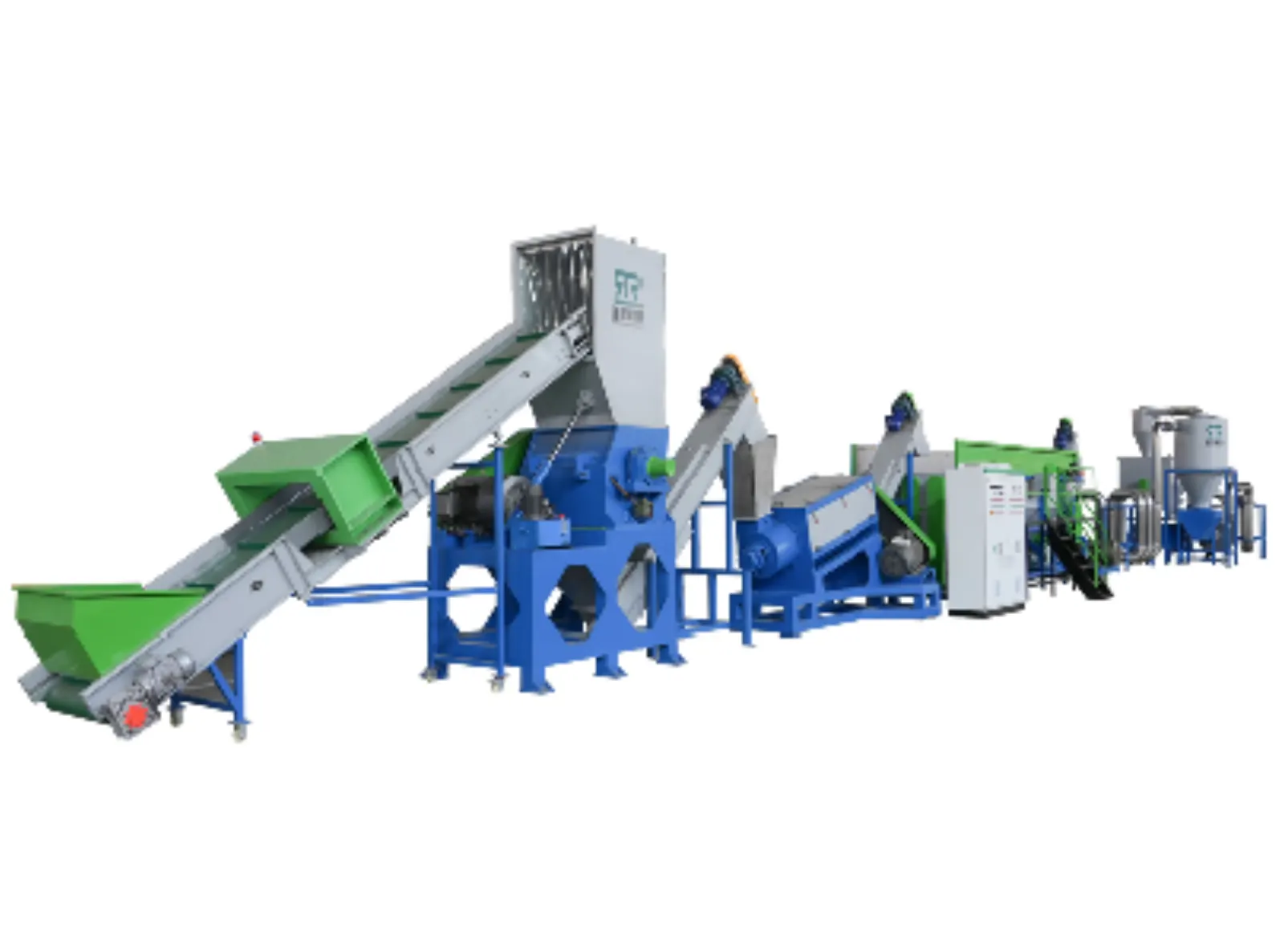
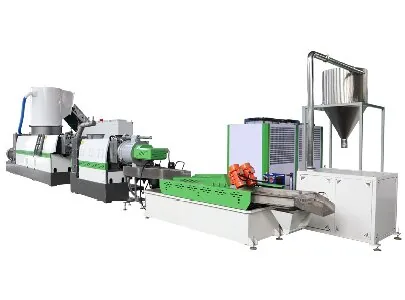
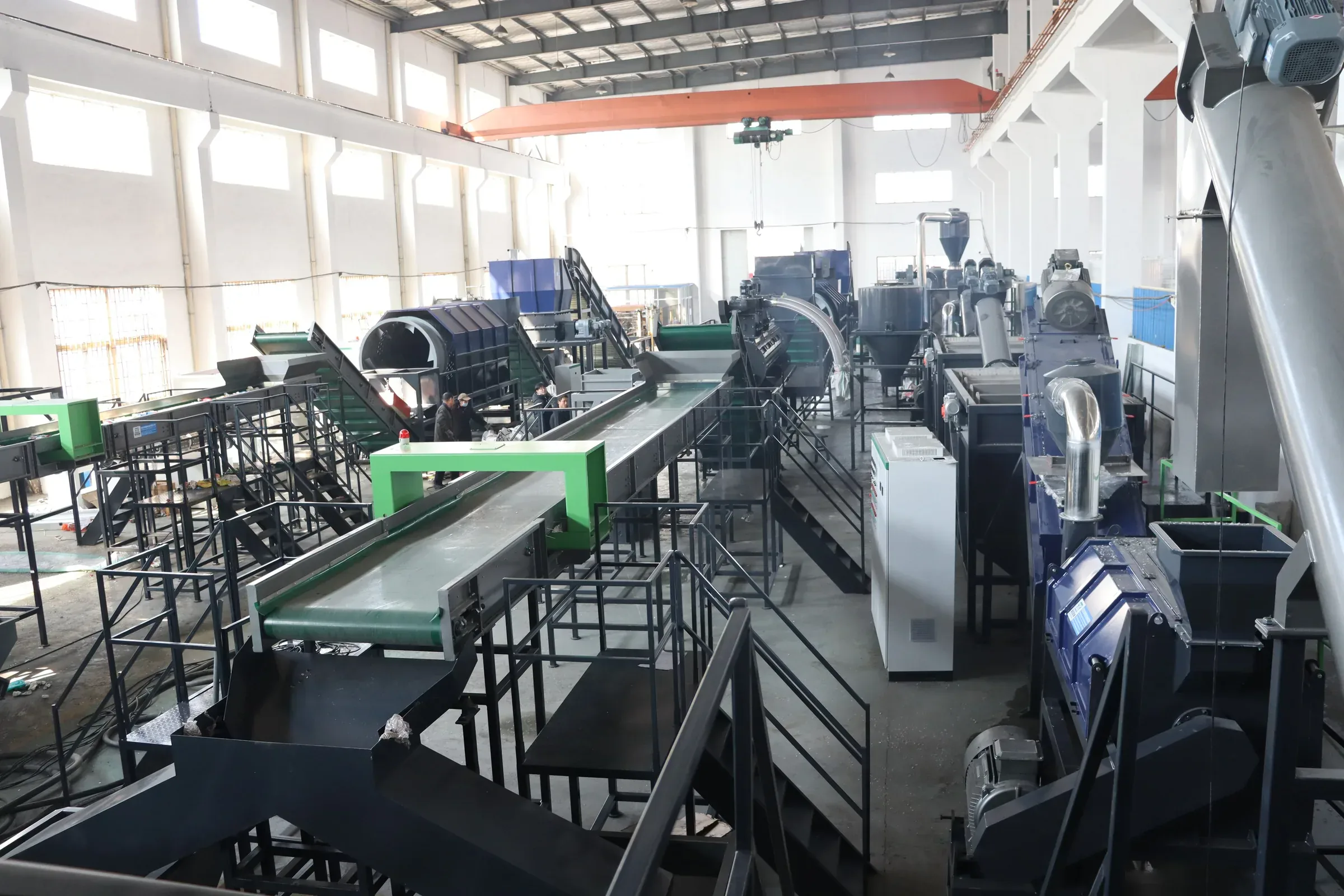
A woven bag washing machine is not a single piece of equipment, but usually part of a complete plastic washing line designed to clean, separate, and prepare woven bags for reprocessing. Understanding how these machines work helps recycling operators improve cleaning quality, reduce water and energy consumption, and achieve more stable recycled material output.
Why Woven Bag Washing Is Necessary Before Recycling
Used woven bags are rarely clean. Even bags collected from industrial sources often carry fine powders, adhesives, or organic residues embedded deep within the woven structure. If these contaminants are not removed, they can cause serious problems during extrusion and pelletizing, including black spots, unstable melt flow, and unpleasant odors.
Effective washing removes surface dirt and internal contaminants, improves the purity of recycled PP or PE flakes, and significantly increases the value of the final recycled pellets. Washing also protects downstream equipment by reducing abrasion and preventing blockages.
Basic Structure of a Woven Bag Washing System
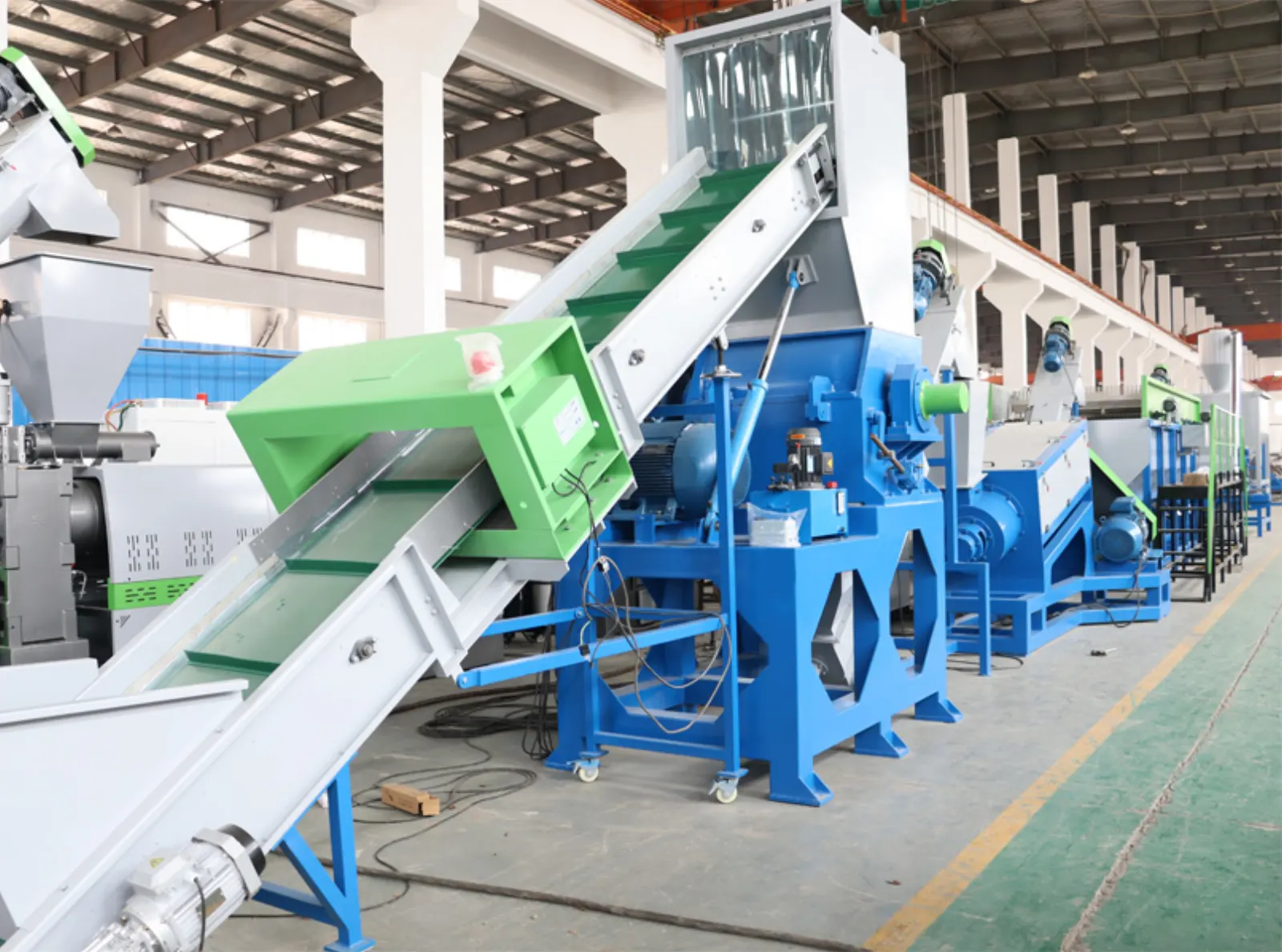
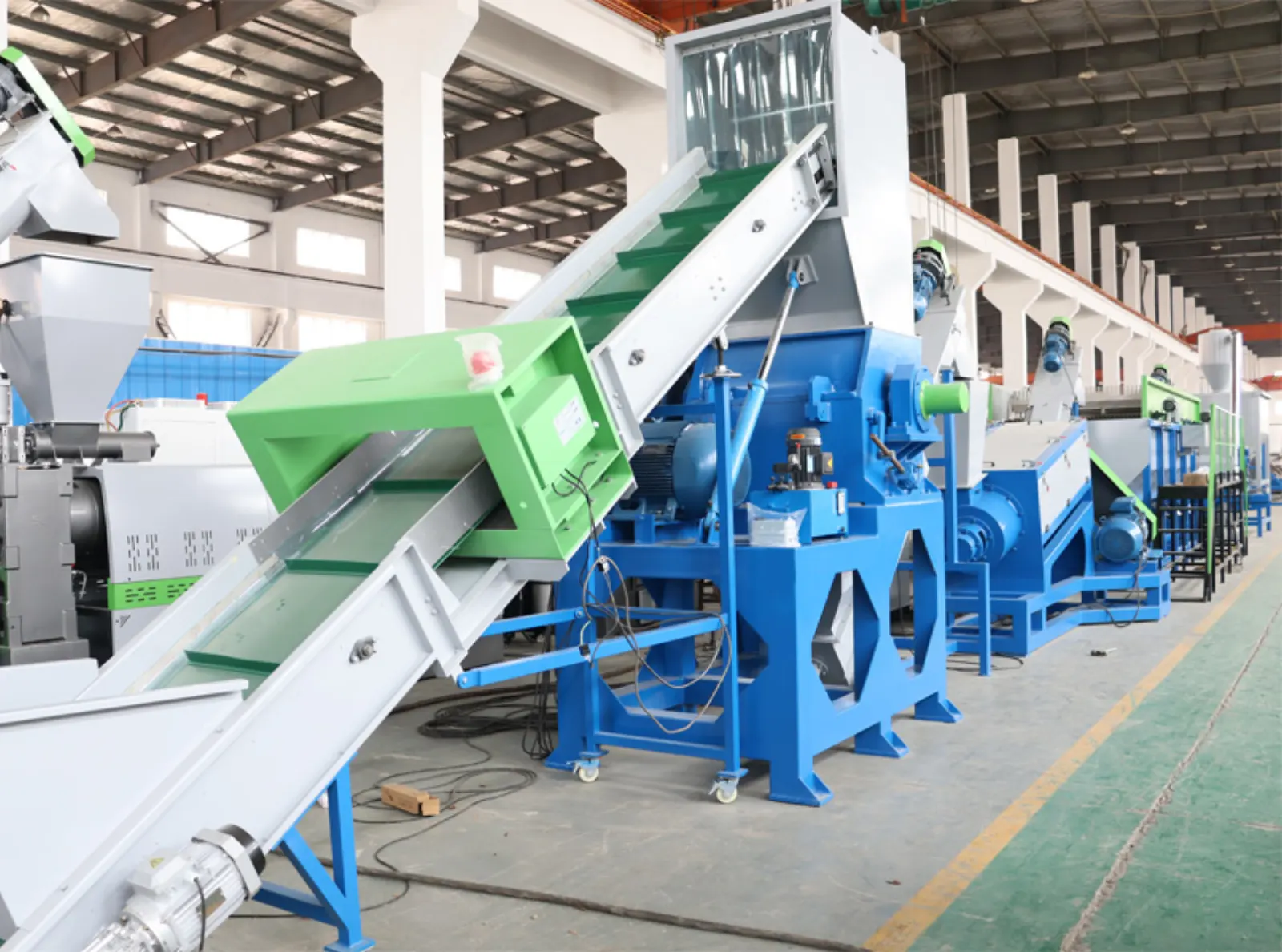
A woven bag washing system usually consists of several machines working together rather than a single washer. While configurations vary depending on capacity and contamination level, a typical system includes:
Pre-treatment and feeding units
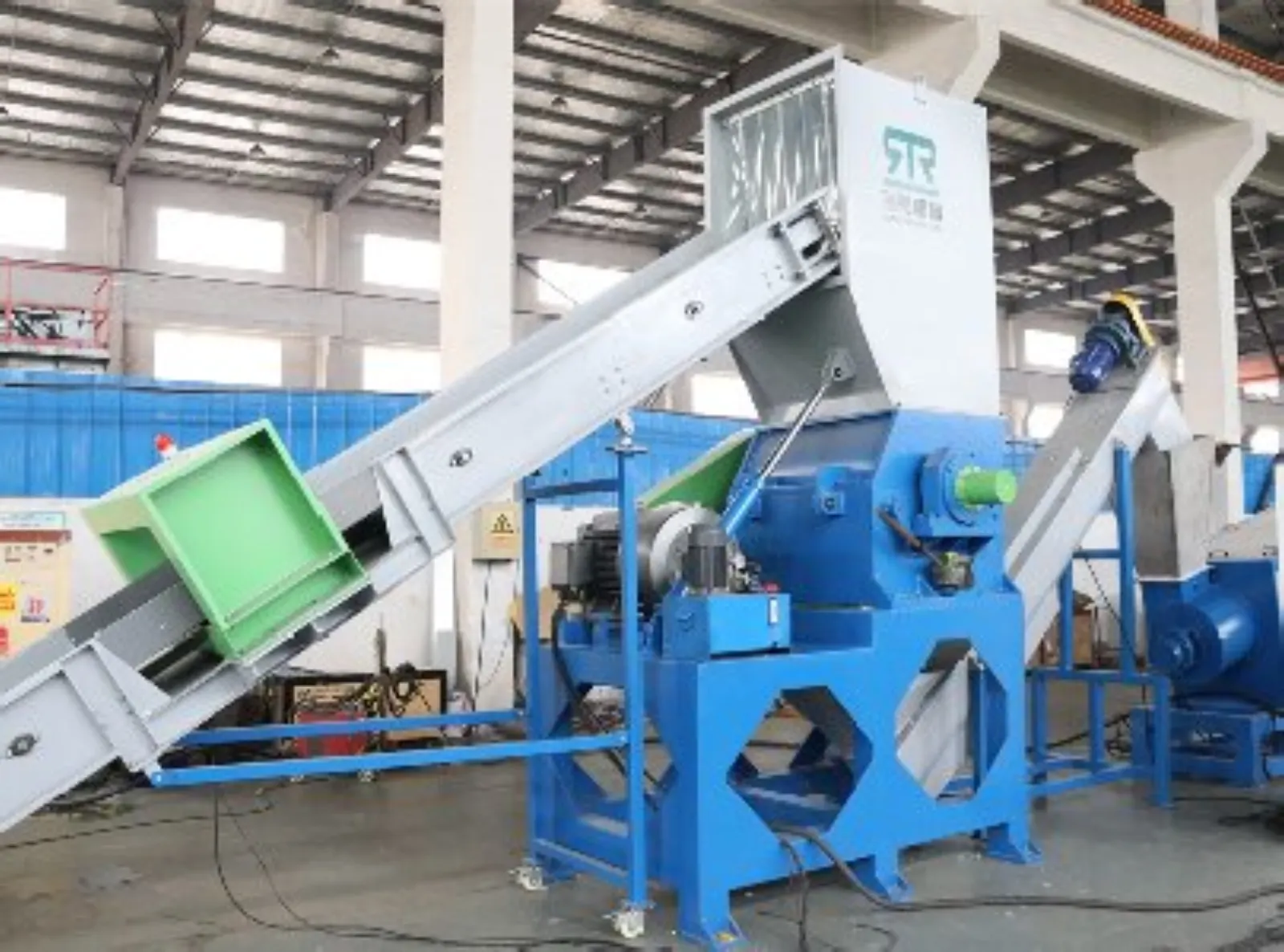
Shredding or crushing equipment
Friction washing machines
Rinsing or float washing tanks
Dewatering and drying machines
Each stage has a specific function and contributes to the overall cleaning performance.
Pre-Treatment and Material Feeding
The washing process begins with material preparation. Collected woven bags are often compressed into bales for transportation. Before washing, they are unpacked and manually or automatically sorted to remove non-plastic contaminants such as ropes, metal wires, stones, or labels.
In some systems, a pre-soaking or pre-rinsing step is added. This helps loosen heavy dust or dried residues and reduces the load on downstream washing equipment. Proper and stable feeding ensures consistent washing quality and avoids machine overload.
Shredding or Crushing: Preparing the Bags for Washing
Woven bags are lightweight but tough, and their woven structure tends to trap dirt. Shredding or crushing is therefore a key step. The bags are cut into smaller pieces, typically flakes or strips, which exposes more surface area and allows water and mechanical action to reach embedded contaminants.
This size reduction also improves washing efficiency by enabling uniform movement of material inside the washing machines. Without proper shredding, large bag pieces can fold, tangle, or shield dirty areas from effective cleaning.
Friction Washing: The Core Cleaning Process
Friction washing is the most critical stage in woven bag cleaning. In a friction washing machine, shredded woven bag flakes are mixed with water and rotated at high speed by a central shaft equipped with paddles or blades.
The cleaning mechanism relies on strong mechanical friction rather than soaking alone. As the plastic flakes collide with each other and with the machine walls, dirt, sand, ink, and adhered residues are physically scrubbed off. Water carries the loosened contaminants away through a perforated screen.
Because woven bags often carry fine powders, friction washers are particularly effective in removing contaminants that float washing alone cannot eliminate.
Rinsing and Float Washing for Separation
After friction washing, the material usually enters a rinsing or float washing tank. This stage serves two main purposes: further cleaning and material separation.
Most woven bags are made from PP or PE, which float in water. Heavier contaminants such as sand, stones, and certain labels sink to the bottom and are removed. At the same time, clean water rinses away remaining detergent or fine dirt.
In higher-end systems, multiple float tanks may be used to achieve better cleanliness and improve separation efficiency.
Chemical Washing When Required
For heavily contaminated woven bags, especially those used in chemical or food industries, chemical washing may be added. Mild detergents or alkaline solutions help dissolve oils, adhesives, or stubborn residues that mechanical friction alone cannot remove.
Chemical washing is usually carefully controlled to balance cleaning performance with environmental considerations. Proper water treatment and recycling systems are often integrated to reduce water consumption and wastewater discharge.
Dewatering and Mechanical Drying
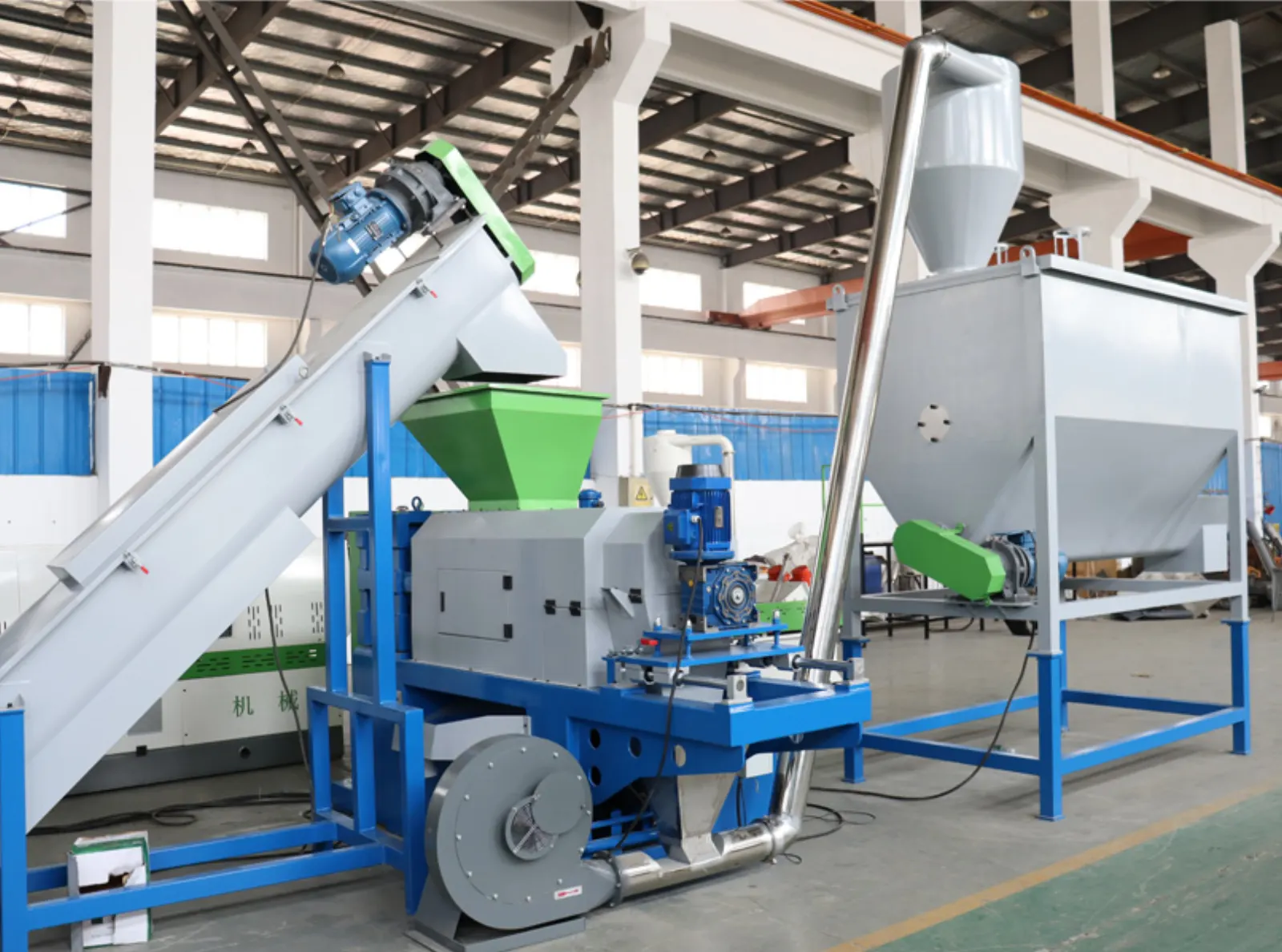
Once washing is complete, the woven bag flakes contain a significant amount of water. Dewatering machines, such as centrifugal dryers or screw press dewatering units, are used to remove most of the moisture mechanically.
Efficient dewatering reduces energy consumption in the final drying stage and prevents material clumping. In many systems, hot air dryers or thermal drying pipes are used after mechanical dewatering to achieve the moisture level required for extrusion or pelletizing.
Water Circulation and Filtration System
Modern woven bag washing machines are usually equipped with water circulation and filtration systems. Instead of discharging used water directly, the system filters out solids and reuses water in earlier washing stages.
This not only reduces operating costs but also helps meet environmental regulations. Proper water management is especially important in large-scale recycling plants where water usage can be significant.
Automation and Process Control
Advanced woven bag washing lines increasingly rely on automation. Sensors monitor material flow, water levels, and motor loads, ensuring stable operation. Automated control systems help maintain consistent washing quality while reducing labor requirements.
Stable automation is particularly valuable when processing woven bags from different sources, as contamination levels can vary significantly.
Final Output and Material Quality
After washing and drying, woven bag flakes are clean, uniform, and suitable for extrusion and pelletizing. High-quality washing results in recycled PP or PE material with improved color, reduced odor, and stable processing performance.
Well-designed washing machines directly influence the market value of recycled material, making them a key investment for recycling businesses.
Conclusion
Woven bag washing machines work through a combination of mechanical size reduction, high-friction cleaning, rinsing, separation, and efficient drying. Rather than relying on a single process, they integrate multiple stages to address the unique challenges posed by woven bag structures and contamination.
When properly selected and operated, woven bag washing systems significantly improve recycling efficiency, protect downstream equipment, and enhance the quality of recycled plastics. For recycling plants focused on PP and PE woven bag recovery, understanding how these machines work is essential for building a reliable and profitable operation.
This article is carried over from the Retech technical archive and keeps its original URL.
ABOUT THIS UPDATE
Published by Retech Marketing & Communications Team
The Retech Marketing & Communications Team publishes official company news, exhibition information, factory updates, project milestones and product announcements.
For technical questions about plastic recycling systems, please contact our engineering team.