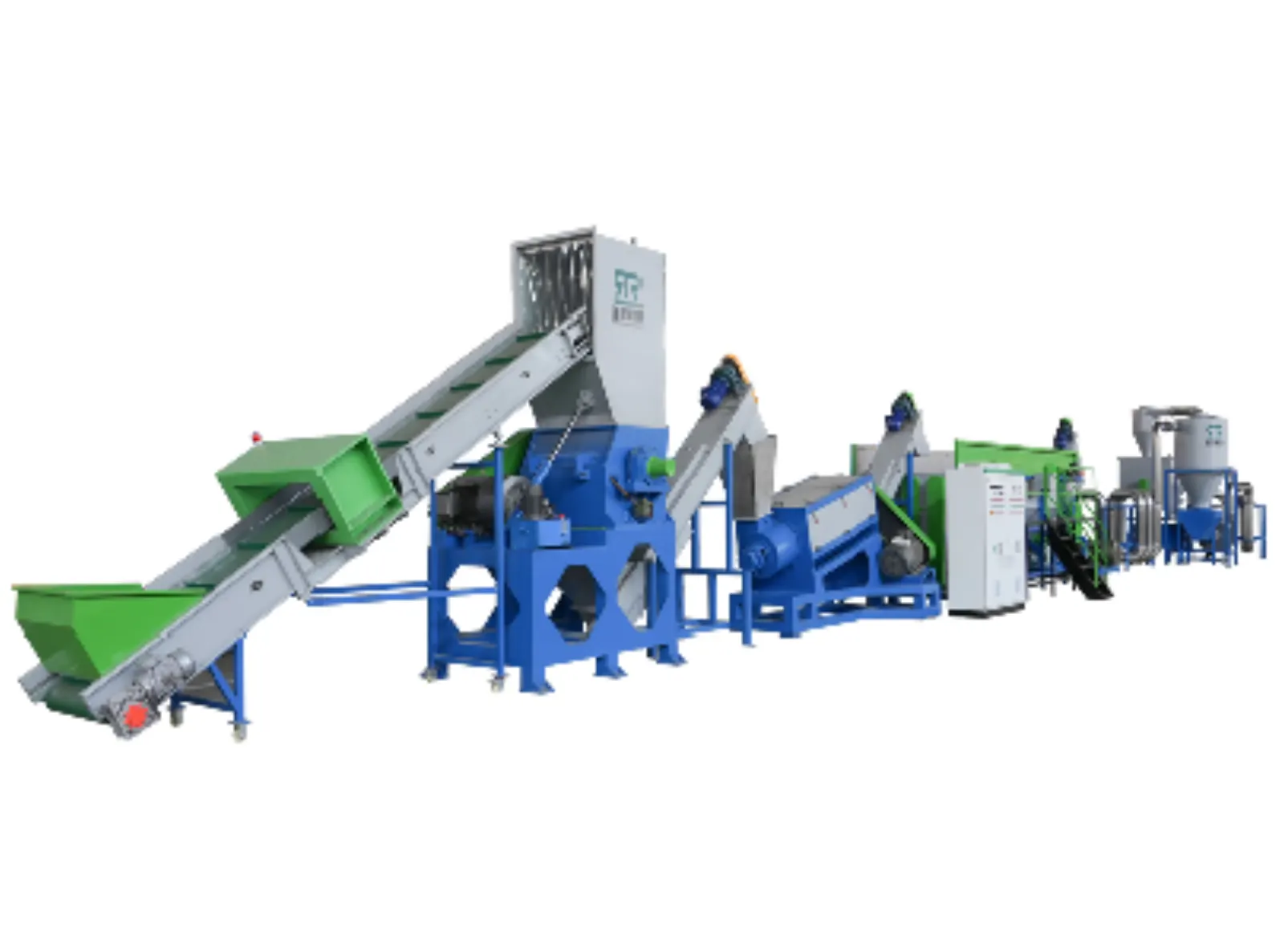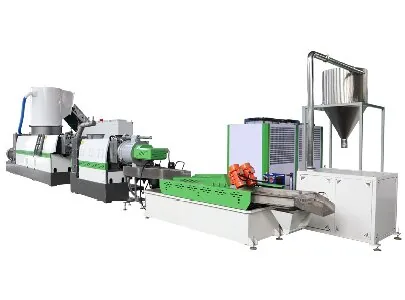
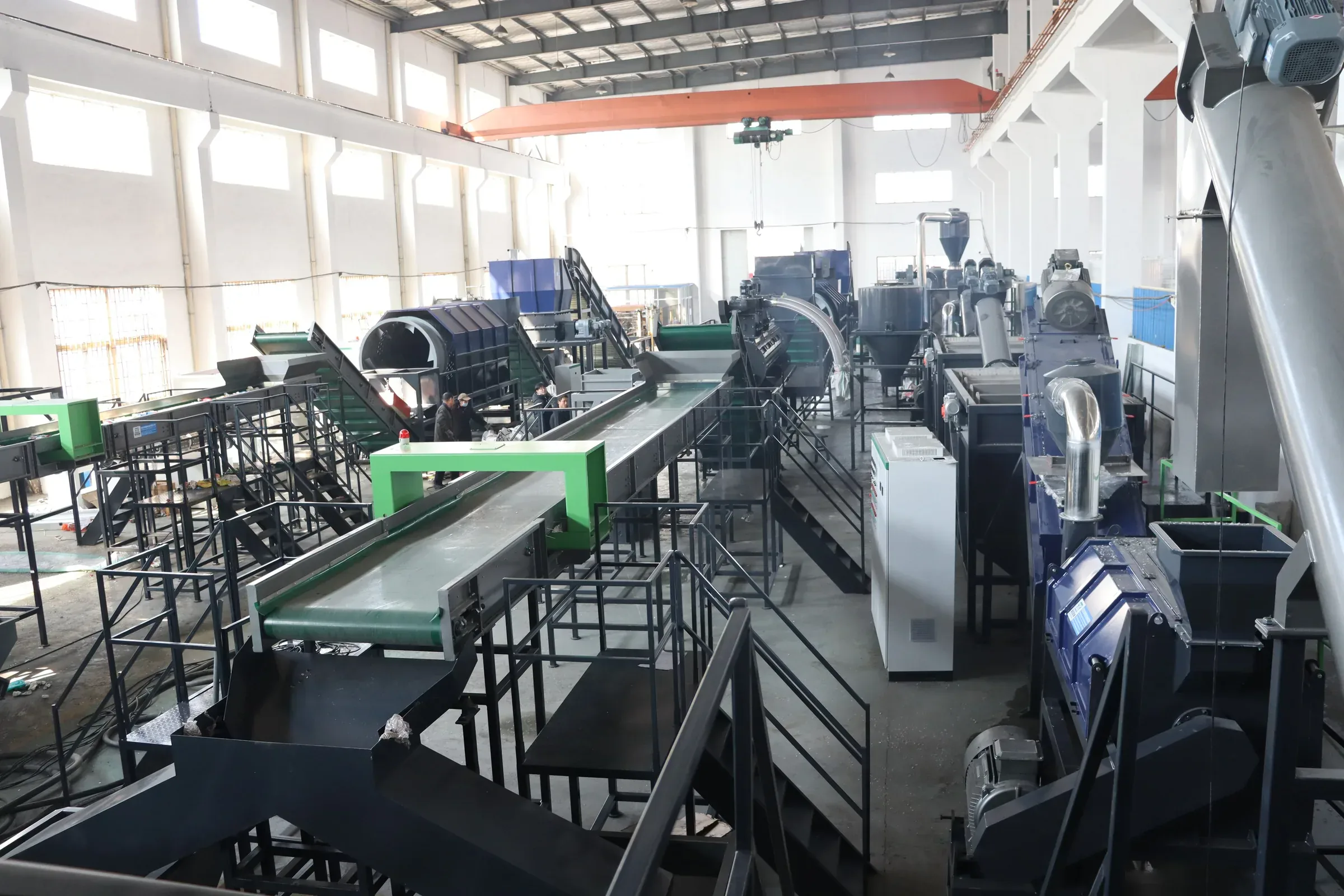
In plastic recycling and size-reduction processes, shredders and granulators are often mentioned together. To newcomers, they may appear to perform the same function—cutting plastic into smaller pieces. In reality, these two machines serve different roles, operate on different principles, and are usually applied at different stages of material processing. Understanding their differences is essential for recycling plant operators, equipment buyers, and engineers who want to design an efficient and cost-effective plastic processing line.
Understanding the Role of Size Reduction in Plastic Recycling
Before comparing shredders and granulators, it is helpful to understand why size reduction is so important in plastic recycling. Post-industrial and post-consumer plastic waste comes in many forms: large injection-molded parts, pipes, films, bottles, sheets, and even bulky rejects. These materials are too large and irregular to be washed, melted, or pelletized directly.
Size-reduction equipment reduces plastic waste into manageable pieces with a more uniform size. This improves downstream efficiency in washing, drying, extrusion, and pelletizing, while also making transportation and storage easier. Shredders and granulators are both used for this purpose, but at different steps and with different expectations for output size and consistency.
What Is a Plastics Shredder?
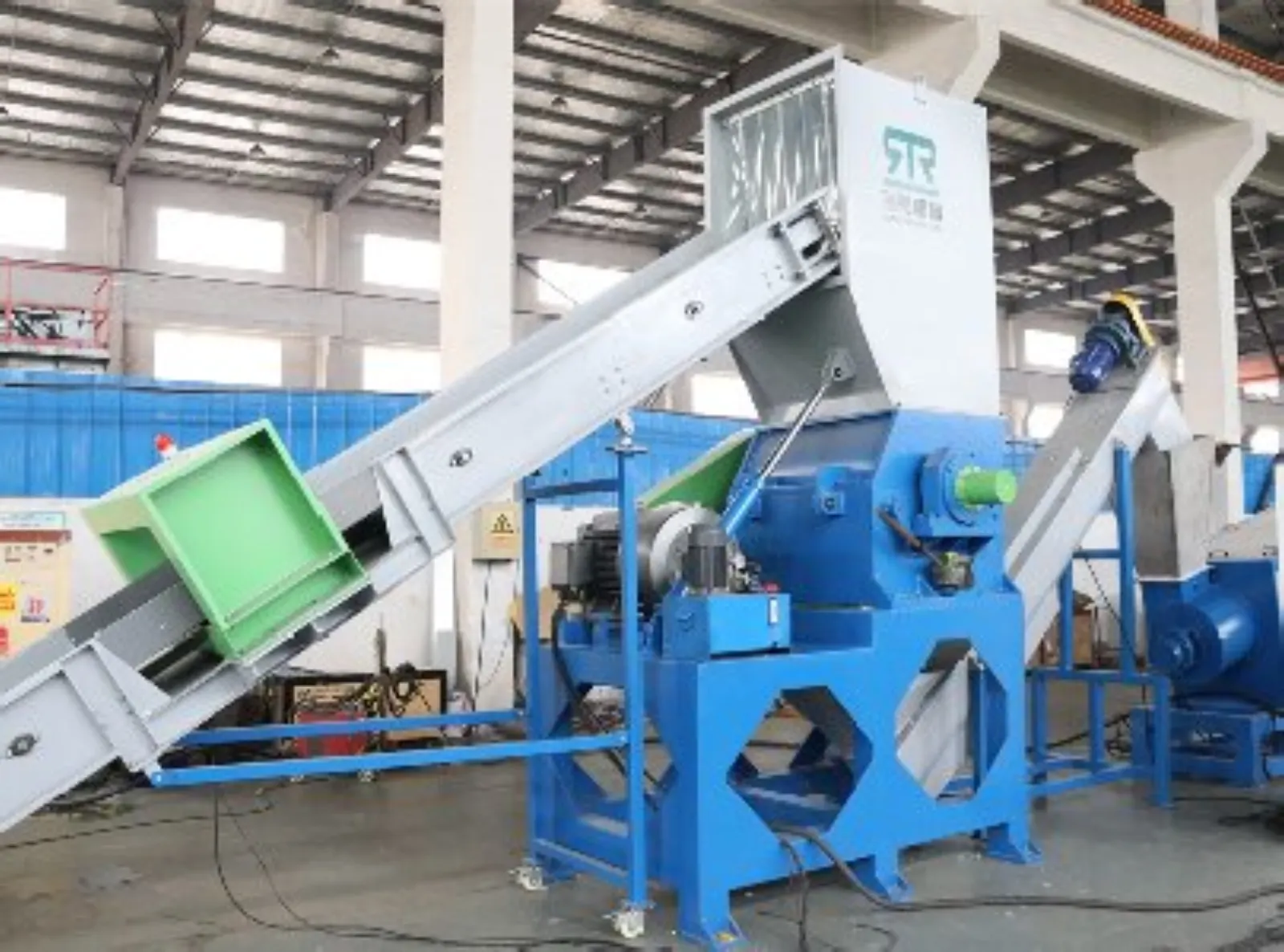
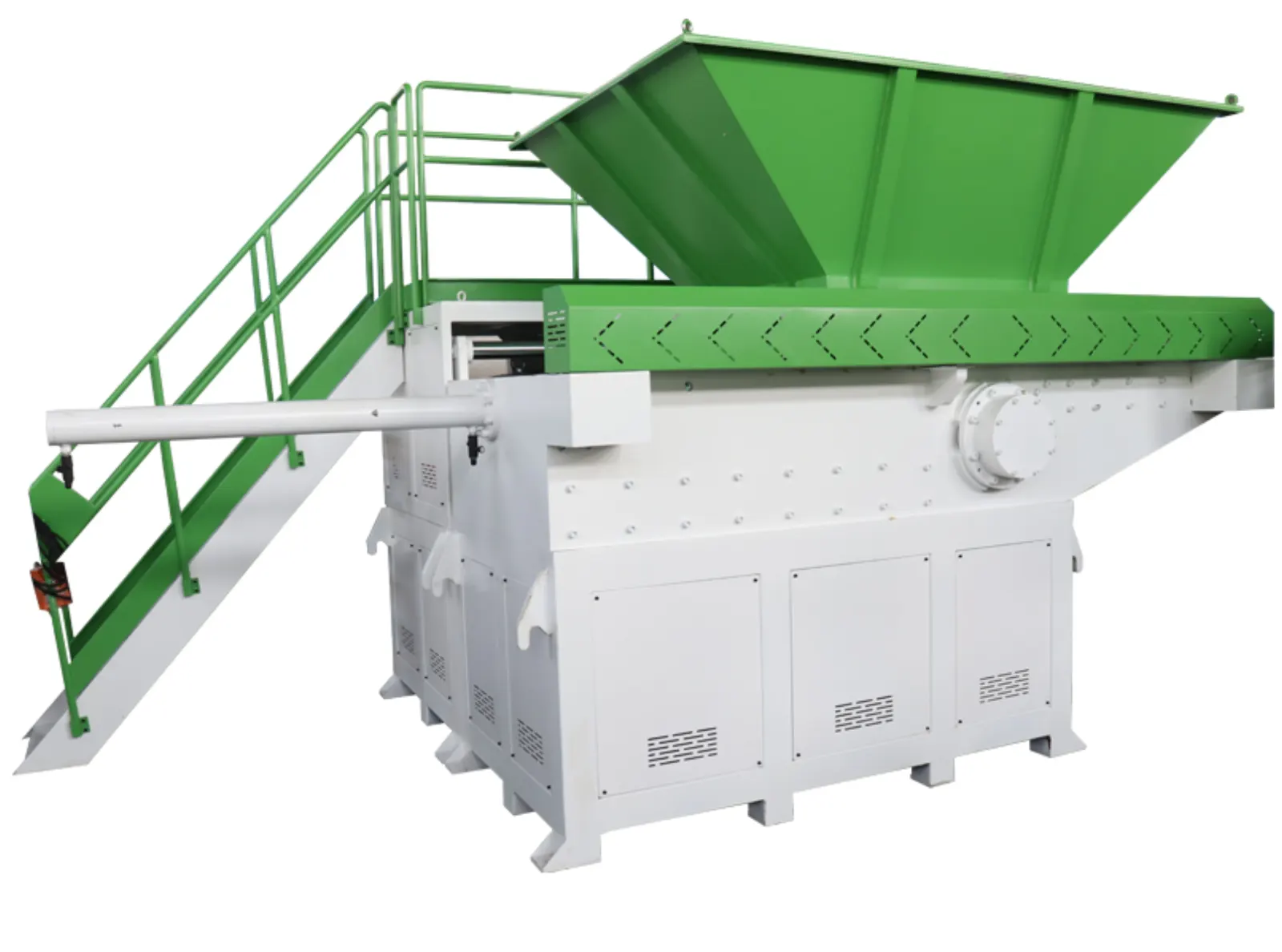
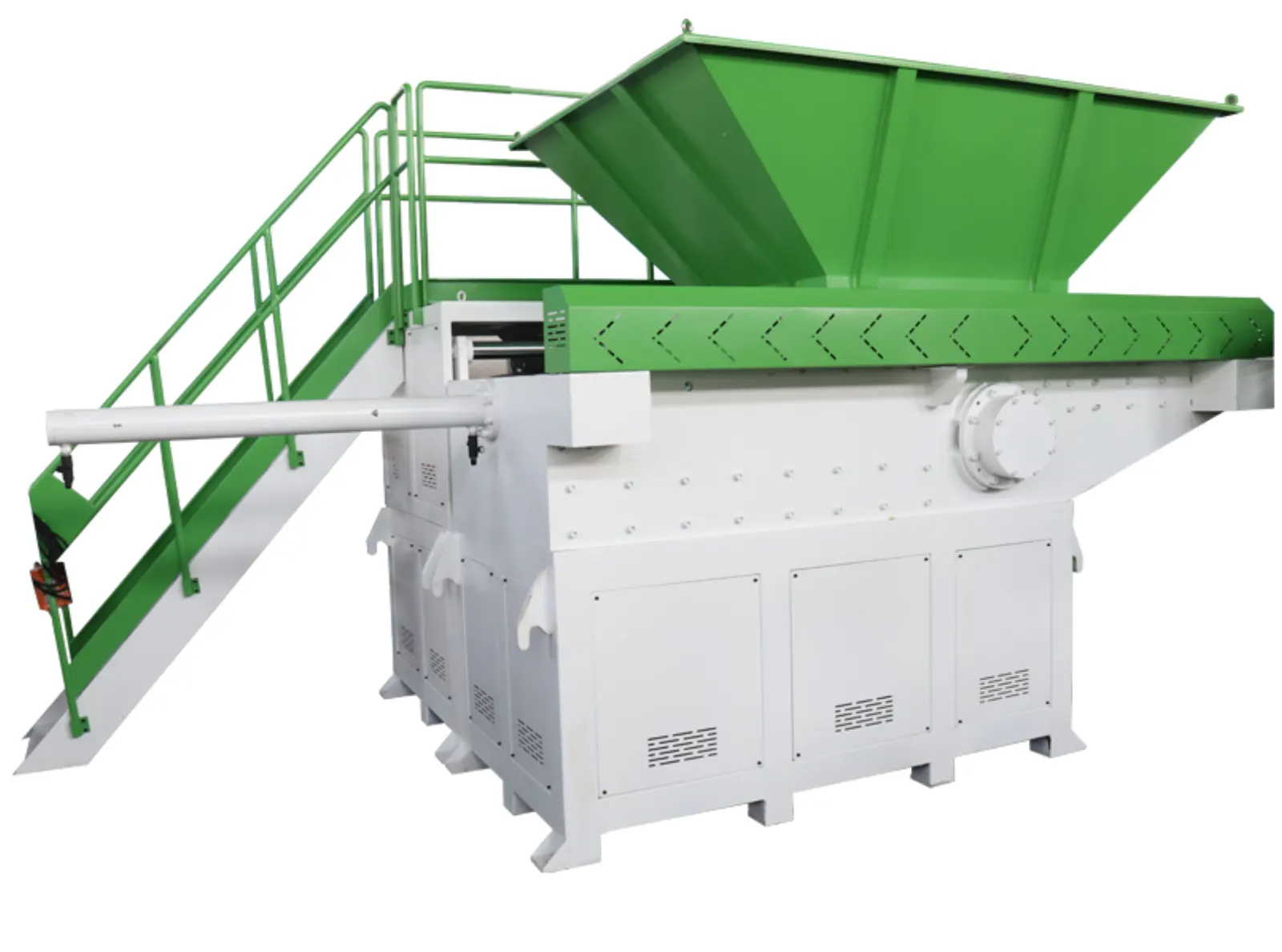
A plastics shredder is a heavy-duty machine designed for primary size reduction. Its main job is to break down large, thick, or tough plastic items into smaller, irregular pieces that can be handled more easily.
Shredders typically operate at low speed and high torque. They use one or more rotating shafts equipped with strong cutting knives or hooks that tear, shear, and rip the material apart. Because of this design, shredders can handle extremely bulky or solid plastic waste that would damage or overload other machines.
Typical Applications of Plastics Shredders
Plastics shredders are widely used for:
Large plastic lumps and purgings
Thick pipes and profiles
Plastic drums, crates, and pallets
Automotive plastic parts
Mixed or contaminated plastic waste
In many recycling plants, the shredder is the first machine in the line, preparing material for further processing.
Key Characteristics of Plastics Shredders
Plastics shredders are defined by several technical and operational features:
- Low speed, high torque: This allows the machine to process thick or reinforced plastics without excessive wear.
- Rough output size: The shredded material is usually irregular in shape and size, often ranging from 20 mm to over 100 mm depending on the screen or cutting configuration.
- Strong adaptability: Shredders can handle a wide range of plastic types, including hard, soft, and even partially contaminated materials.
- Focus on durability: These machines are built for long-term heavy operation rather than fine cutting precision.
Because of these characteristics, shredders are not designed to produce uniform granules, but rather to reduce material to a size suitable for secondary processing.
What Is a Plastics Granulator?
A plastics granulator is used for secondary or fine size reduction. Its purpose is to cut pre-shredded or relatively small plastic items into uniform granules or flakes, which are suitable for washing, extrusion, or direct reuse.
Granulators operate at higher speeds than shredders and rely on precise cutting action between rotating and stationary knives. The material is cut repeatedly until it passes through a screen with a defined hole size, ensuring a consistent output.
Typical Applications of Plastics Granulators
Plastics granulators are commonly used for:
Injection molding sprues and runners
Blow-molded bottles and containers
Thin-wall plastic parts
Sheets, films, and small rejects
Pre-shredded plastic material
In many recycling systems, the granulator follows the shredder to refine the material into a controlled particle size.
Key Characteristics of Plastics Granulators
Granulators differ from shredders in several important ways:
- High speed, lower torque: Designed for efficient cutting of smaller or thinner materials.
- Uniform output size: The granules or flakes typically range from 3 mm to 12 mm, depending on the screen.
- Precision cutting: Knife alignment and sharpness are critical for clean cuts and consistent granule quality.
- Cleaner material requirement: Granulators usually perform best when the input material is free from large metal contaminants or oversized parts.
Granulators are valued for their ability to produce a final product that meets strict size requirements for downstream processes.
Plastics Shredder vs. Plastics Granulator: Core Differences
While both machines reduce plastic size, their differences become clear when comparing their function, structure, and output.
Function and Processing Stage
A shredder is typically used at the beginning of the recycling process to break down large plastic waste. A granulator is usually used later to refine that shredded material into uniform particles.
Output Size and Shape
Shredders produce coarse, irregular pieces with less control over shape. Granulators produce evenly sized granules or flakes with a consistent geometry.
Machine Design and Speed
Shredders rely on slow rotation and high torque for tearing action, while granulators use fast rotation and sharp knives for cutting action.
Material Handling Capability
Shredders can process thick, bulky, or tough plastics that granulators cannot handle directly. Granulators, on the other hand, excel at processing smaller and cleaner materials efficiently.
Can Shredders and Granulators Be Used Together?
In modern plastic recycling plants, shredders and granulators are often used in combination rather than as alternatives. A common setup involves:
Primary shredding: Large plastic waste is reduced to manageable pieces.
Secondary granulation: The shredded material is further cut into uniform granules.
This two-step approach improves efficiency, reduces wear on granulator knives, and ensures consistent output quality. For high-capacity or mixed-waste recycling lines, combining both machines is usually the most practical solution.
How to Choose Between a Plastics Shredder and a Plastics Granulator
The choice between a shredder and a granulator depends on several factors:
- Material size and thickness: Large or thick items generally require a shredder first.
- Desired output size: Uniform granules require a granulator.
- Production capacity: Shredders are better for heavy, continuous loads, while granulators focus on precision and consistency.
- Recycling process design: Integrated lines often need both machines to achieve optimal results.
Understanding your raw material and end-use requirements is key to selecting the right equipment.
Final Thoughts
Although plastics shredders and plastics granulators both serve the purpose of size reduction, they are designed for different tasks and stages in plastic processing. Shredders focus on strength, versatility, and primary breakdown of large plastic waste, while granulators emphasize precision, uniformity, and preparation for final recycling or reuse.
Rather than competing technologies, shredders and granulators are complementary tools. When properly selected and integrated, they form the backbone of an efficient plastic recycling system, helping manufacturers and recyclers reduce waste, improve material recovery, and support sustainable production practices.
This article is carried over from the Retech technical archive and keeps its original URL.
ABOUT THIS UPDATE
Published by Retech Marketing & Communications Team
The Retech Marketing & Communications Team publishes official company news, exhibition information, factory updates, project milestones and product announcements.
For technical questions about plastic recycling systems, please contact our engineering team.