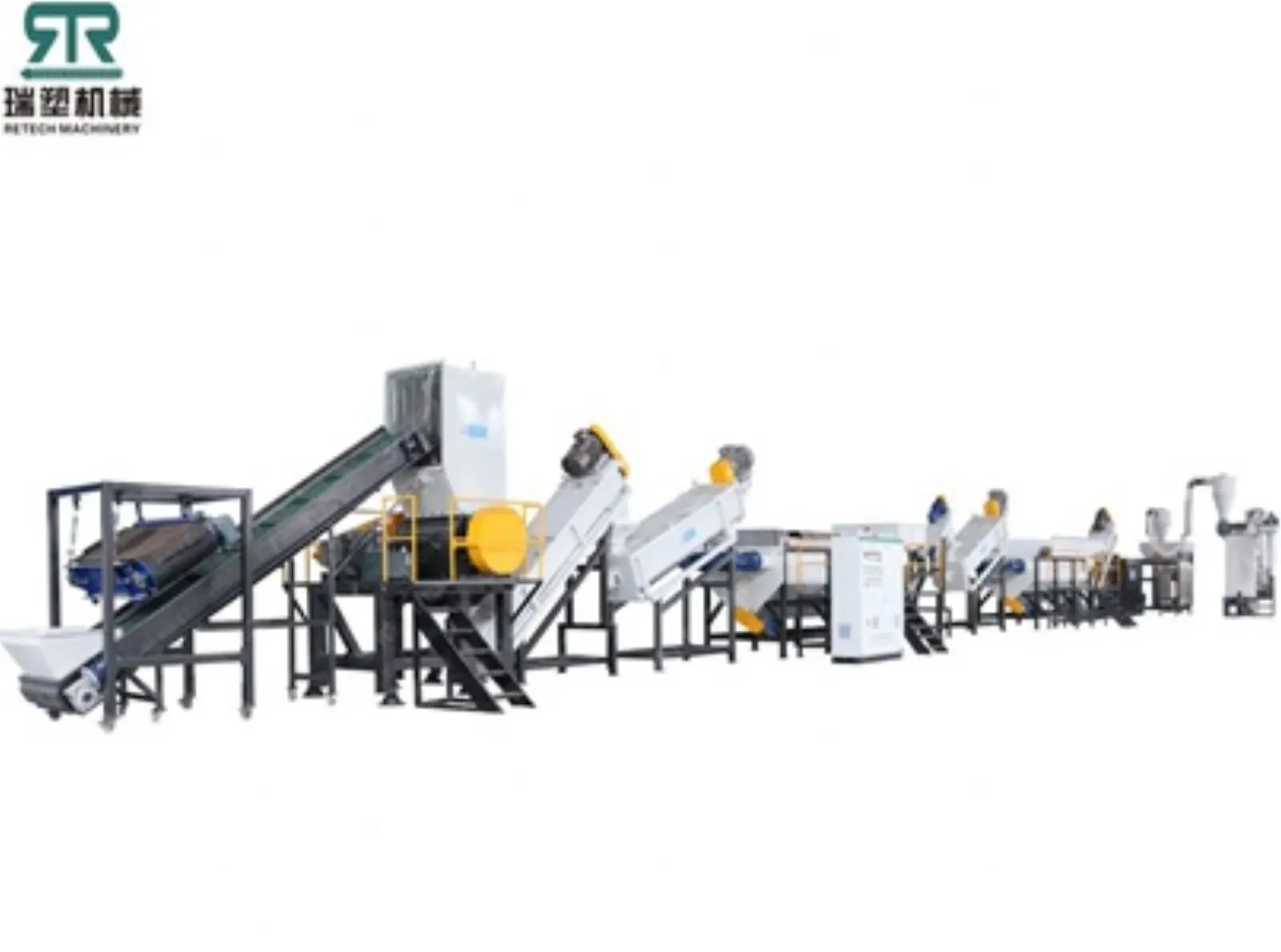
Plastic bottles are ubiquitous in our daily lives, but their widespread use has led to significant environmental challenges. With billions of plastic bottles produced annually, finding effective ways to recycle them has become crucial for reducing pollution and conserving resources. In this article, we'll explore the best possible methods for recycling plastic bottles, highlighting the role of plastic recycling machines in this process.
Collecte et tri
The first step in recycling plastic bottles is efficient collection and sorting. This stage is crucial because the quality of recycled plastic largely depends on how well the bottles are sorted and cleaned.
- Collection Methods
Plastic bottles are collected through various methods, including curbside recycling programs, bottle return schemes, and public recycling bins. In some regions, deposit schemes incentivize consumers to return their plastic bottles for recycling, helping to reduce litter and increase recycling rates.
- Sorting Processes
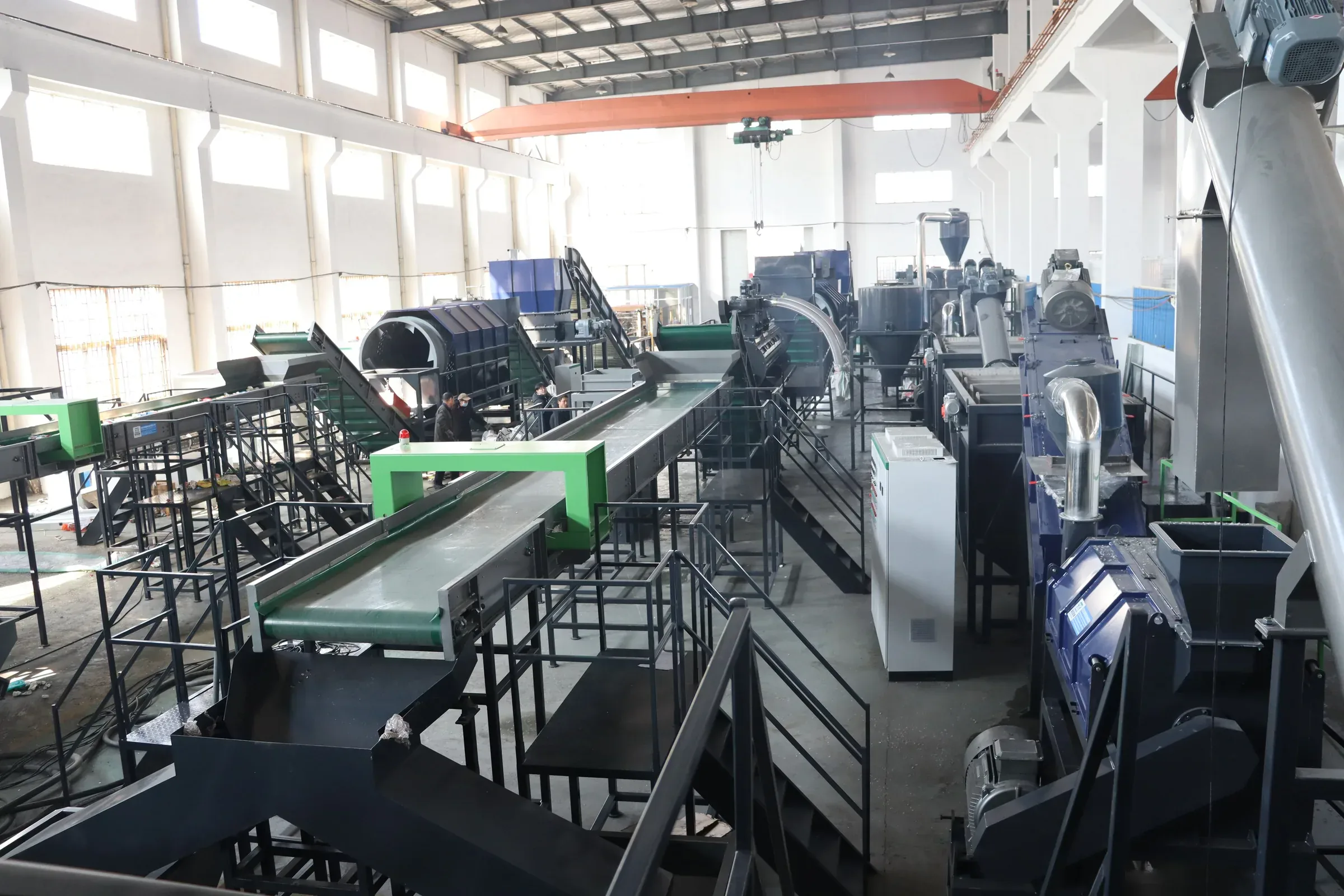
Once collected, plastic bottles must be sorted based on the type of plastic they are made from. The most common type of plastic used in bottles is PET (polyethylene terephthalate), which needs to be separated from other types like HDPE (high-density polyethylene). Advanced machine de recyclage de plastiques equipped with sensors and AI technology can automatically sort plastics with high accuracy, reducing contamination and ensuring the quality of the recycled material.
Mechanical Recycling Methods
Mechanical recycling is one of the most widely used methods for processing plastic bottles. This approach involves several stages, each of which plays a critical role in transforming waste plastic into usable products.
- Shredding and Granulation
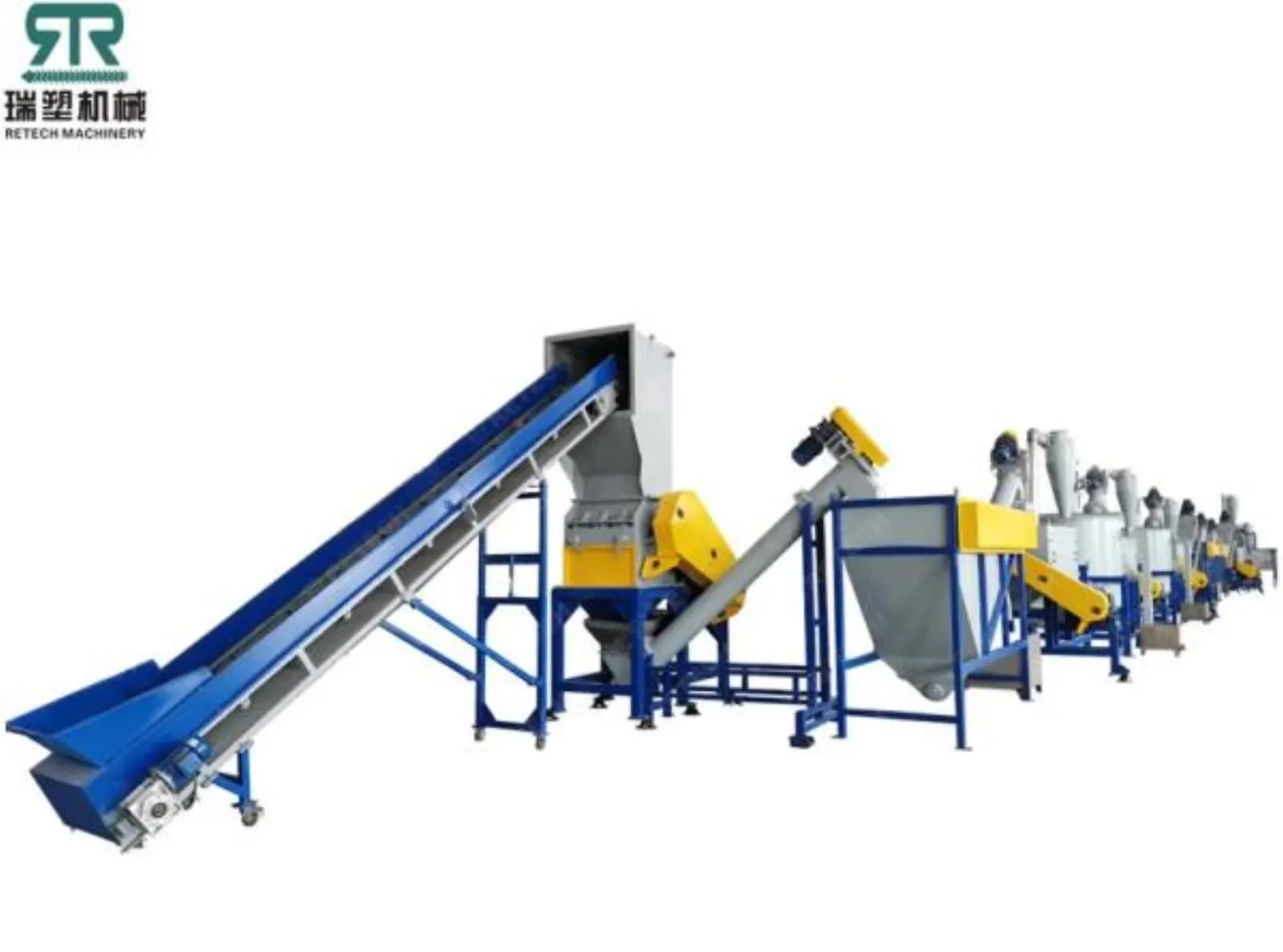
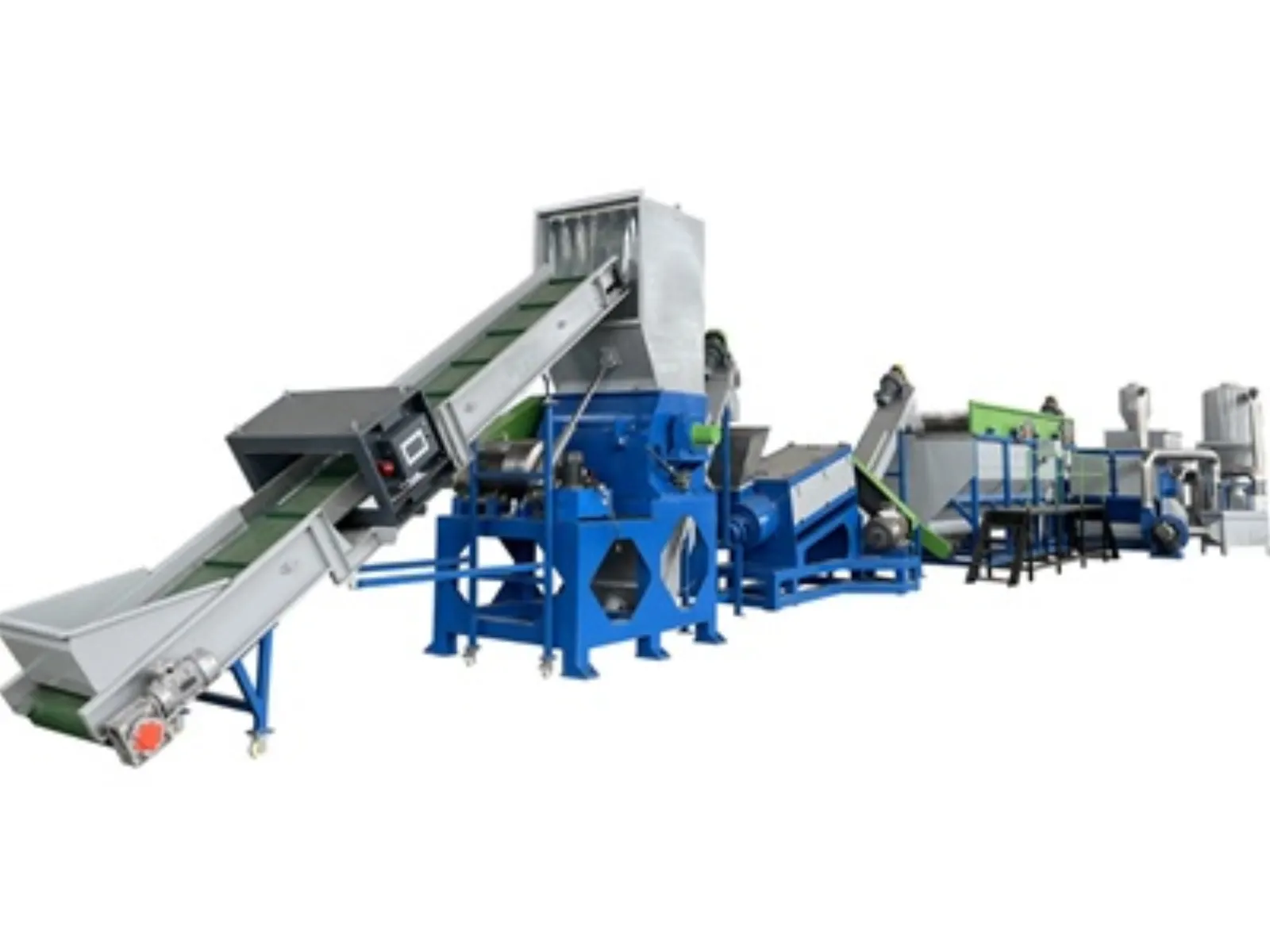
Plastic bottles are first fed into shredders, which cut them into smaller pieces. These pieces are then passed through granulators, which further reduce their size, making them easier to handle in subsequent processing stages. Plastic recycling machines designed for shredding and granulation are essential for breaking down plastic bottles efficiently and consistently.
- Washing and Drying
After shredding, the plastic pieces are washed to remove labels, adhesives, and other contaminants. This step is vital for ensuring that the recycled plastic is clean and of high quality. Once cleaned, the plastic is dried to prepare it for melting and extrusion. Specialized plastic recycling machines handle this washing and drying process, ensuring that the material is ready for reuse.
- Melting and Re-extrusion
The cleaned and dried plastic is then melted and re-extruded into pellets or new products. These pellets can be used to manufacture a wide range of items, from new plastic bottles to textiles and packaging materials. The precision and efficiency of plastic recycling machines in this stage determine the quality and consistency of the final recycled product.
Chemical Recycling Techniques
While mechanical recycling is effective, chemical recycling offers alternative methods for breaking down plastic bottles into their basic chemical components. This approach allows for the creation of high-quality recycled plastics that can be used in a broader range of applications.
- Depolymerization
Depolymerization involves breaking down plastic bottles into their monomers, which can then be repolymerized into new plastics. This process is particularly useful for creating high-quality recycled materials that are almost identical to virgin plastics.
- Pyrolysis and Gasification
Pyrolysis and gasification are chemical recycling methods that convert plastic waste into fuel or raw materials. These processes involve heating the plastic in the absence of oxygen to break it down into smaller molecules, which can then be used to produce energy or new products. Plastic recycling machines used in pyrolysis and gasification must be highly specialized to handle the complex reactions involved.
- Solvent-Based Recycling
In solvent-based recycling, plastic bottles are dissolved in solvents to recover pure polymers. This method is still in the early stages of development but holds promise for producing high-quality recycled plastics with minimal environmental impact.
Upcycling and Repurposing
In addition to traditional recycling methods, upcycling and repurposing offer creative ways to reuse plastic bottles.
- Creative Upcycling Ideas
Upcycling involves transforming plastic bottles into new, useful items. For example, plastic bottles can be repurposed into planters, furniture, or even construction materials. This approach not only reduces waste but also adds value by creating new products from discarded materials.
- Industrial Repurposing
On an industrial scale, plastic bottles can be repurposed into materials like building insulation, carpets, or textiles. These repurposing efforts often involve the use of plastic recycling machines to process the bottles into a form suitable for new applications.
Advanced Technologies and Innovations
The future of plastic bottle recycling lies in advanced technologies and innovations that can make the process more efficient and sustainable.
- AI and Robotics in Recycling
Artificial intelligence (AI) and robotics are revolutionizing the recycling industry. Plastic recycling machines equipped with AI can sort and process materials with unprecedented accuracy, reducing waste and improving the quality of recycled products.
- Biotechnology Solutions
Emerging biotechnology solutions, such as the development of enzymes that break down plastics, offer exciting possibilities for the future of recycling. These technologies could potentially make plastic bottle recycling more efficient and environmentally friendly.
- Circular Economy Approaches
Les approches d'économie circulaire visent à créer des systèmes en boucle fermée où les bouteilles en plastique sont continuellement recyclées en nouveaux produits. Cette approche nécessite une étroite collaboration entre les fabricants, les recycleurs et les consommateurs, soutenue par des machines de recyclage du plastique avancées capables de répondre aux exigences d'une économie circulaire.
Défis et solutions
Bien qu'il existe de nombreuses méthodes efficaces pour recycler les bouteilles en plastique, plusieurs défis doivent être relevés pour améliorer les taux et les résultats du recyclage.
- Viabilité économique
L'un des principaux défis du recyclage des bouteilles en plastique est la viabilité économique. Le coût de collecte, de tri et de traitement des bouteilles en plastique peut être élevé, surtout lorsqu'il s'agit de matériaux contaminés ou mélangés. Cependant, les progrès réalisés dans les machines et la technologie de recyclage du plastique contribuent à réduire ces coûts et à rendre le recyclage plus économiquement viable.
- Sensibilisation et participation du public
Un autre défi consiste à assurer la participation du public aux programmes de recyclage. Éduquer les consommateurs sur l'importance du recyclage et sur la manière de jeter correctement les bouteilles en plastique est crucial pour augmenter les taux de recyclage.
- Politique et réglementation
Les politiques et réglementations gouvernementales jouent un rôle essentiel dans la promotion du recyclage. Des initiatives réussies, telles que les systèmes de consigne et les interdictions des plastiques à usage unique, se sont avérées efficaces pour encourager le recyclage et réduire les déchets plastiques.
Conclusion
Le recyclage des bouteilles en plastique est essentiel pour réduire l'impact environnemental et préserver les ressources. Des méthodes de recyclage mécanique et chimique à l'upcycling créatif et aux technologies avancées, il existe de nombreuses façons efficaces de recycler les bouteilles en plastique. Cependant, le succès de ces efforts dépend de l'adoption généralisée des meilleures pratiques et de l'utilisation de machines de recyclage du plastique avancées pour traiter et réutiliser les déchets plastiques. En adoptant ces approches, nous pouvons œuvrer pour un avenir plus durable où les bouteilles en plastique sont continuellement recyclées, réduisant ainsi le fardeau sur notre planète.
Cet article provient des archives techniques de Retech et conserve son URL d'origine.
À PROPOS DE CETTE MISE À JOUR
Publié par Équipe marketing et communication de Retech
L'équipe marketing et communication de Retech publie les actualités officielles de l'entreprise, des informations sur les salons, des mises à jour sur les usines, les étapes importantes des projets et les annonces de produits.
Pour des questions techniques sur les systèmes de recyclage des plastiques, veuillez contacter notre équipe d'ingénierie.