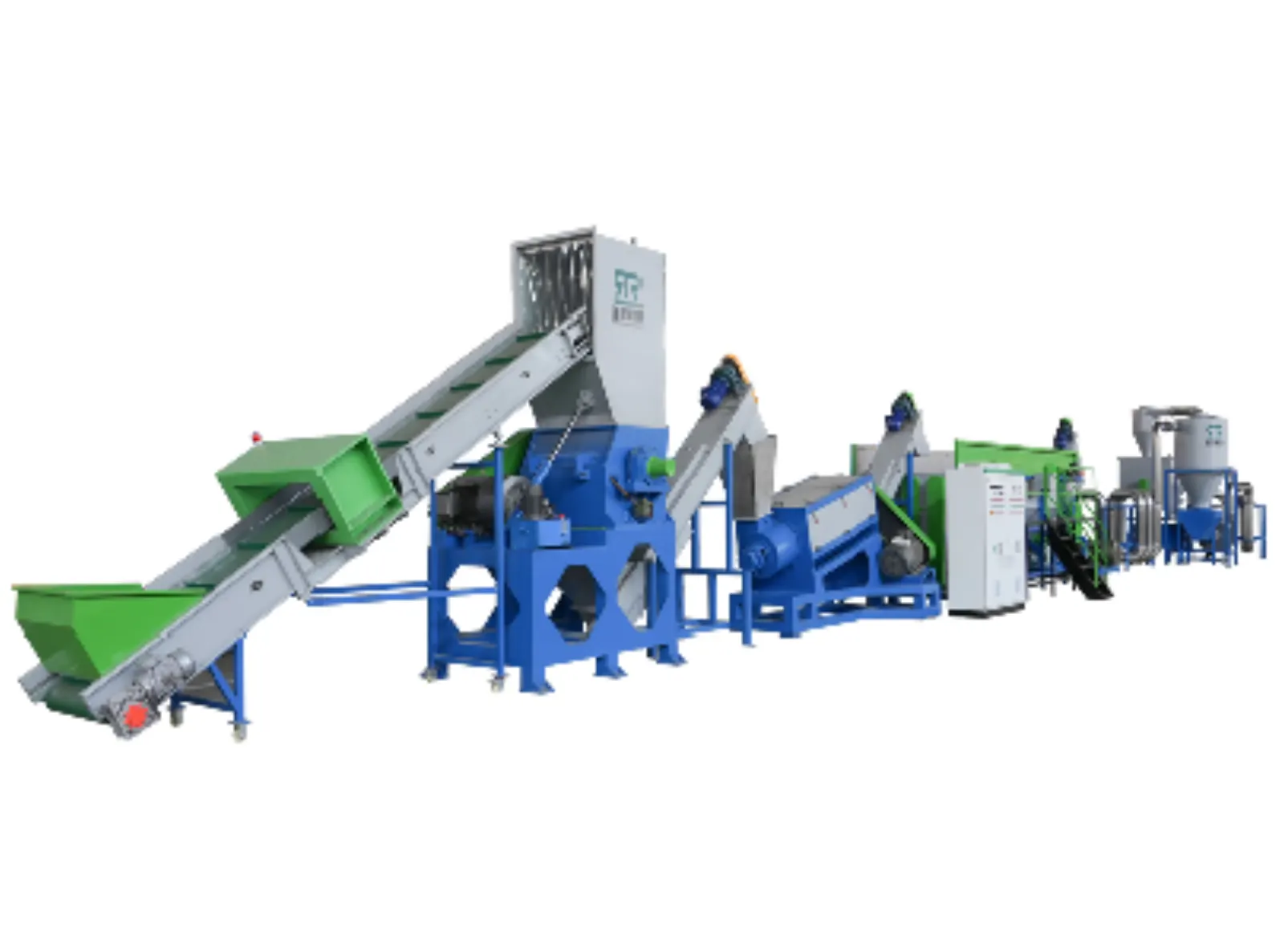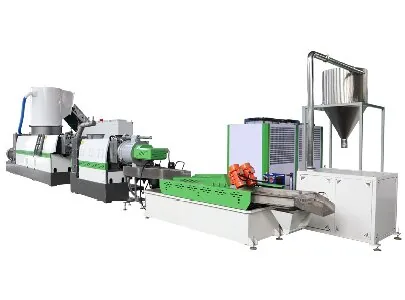
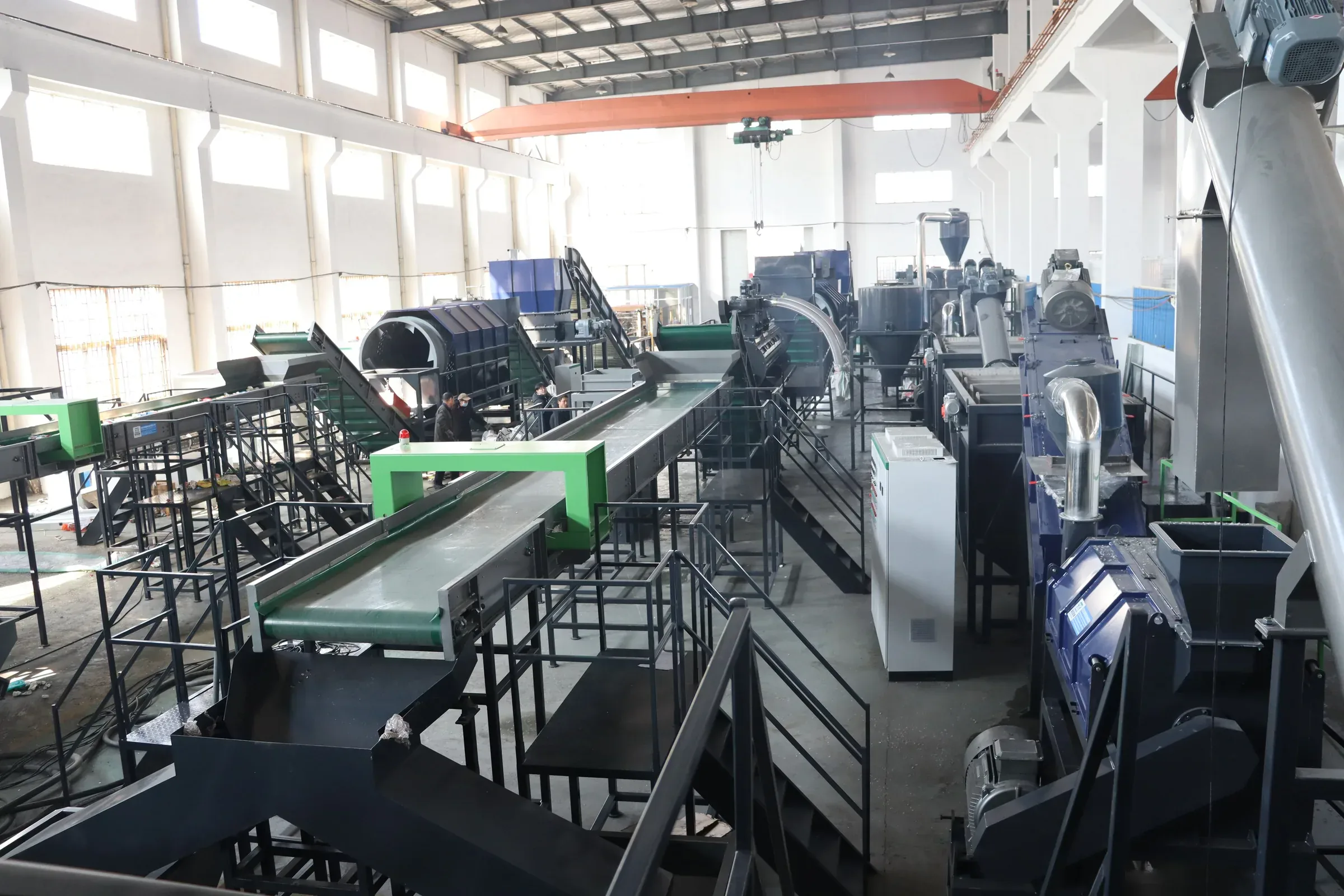
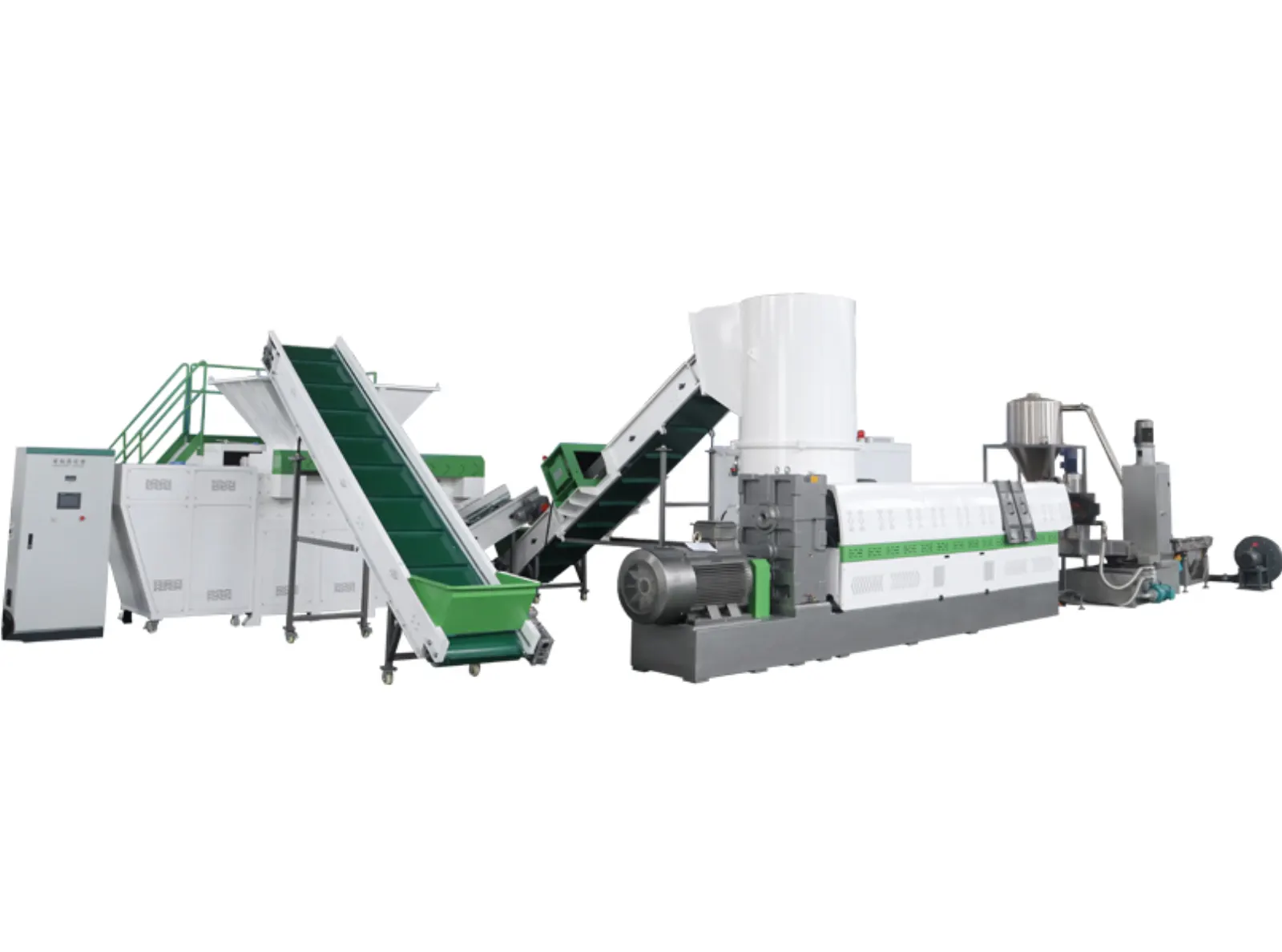
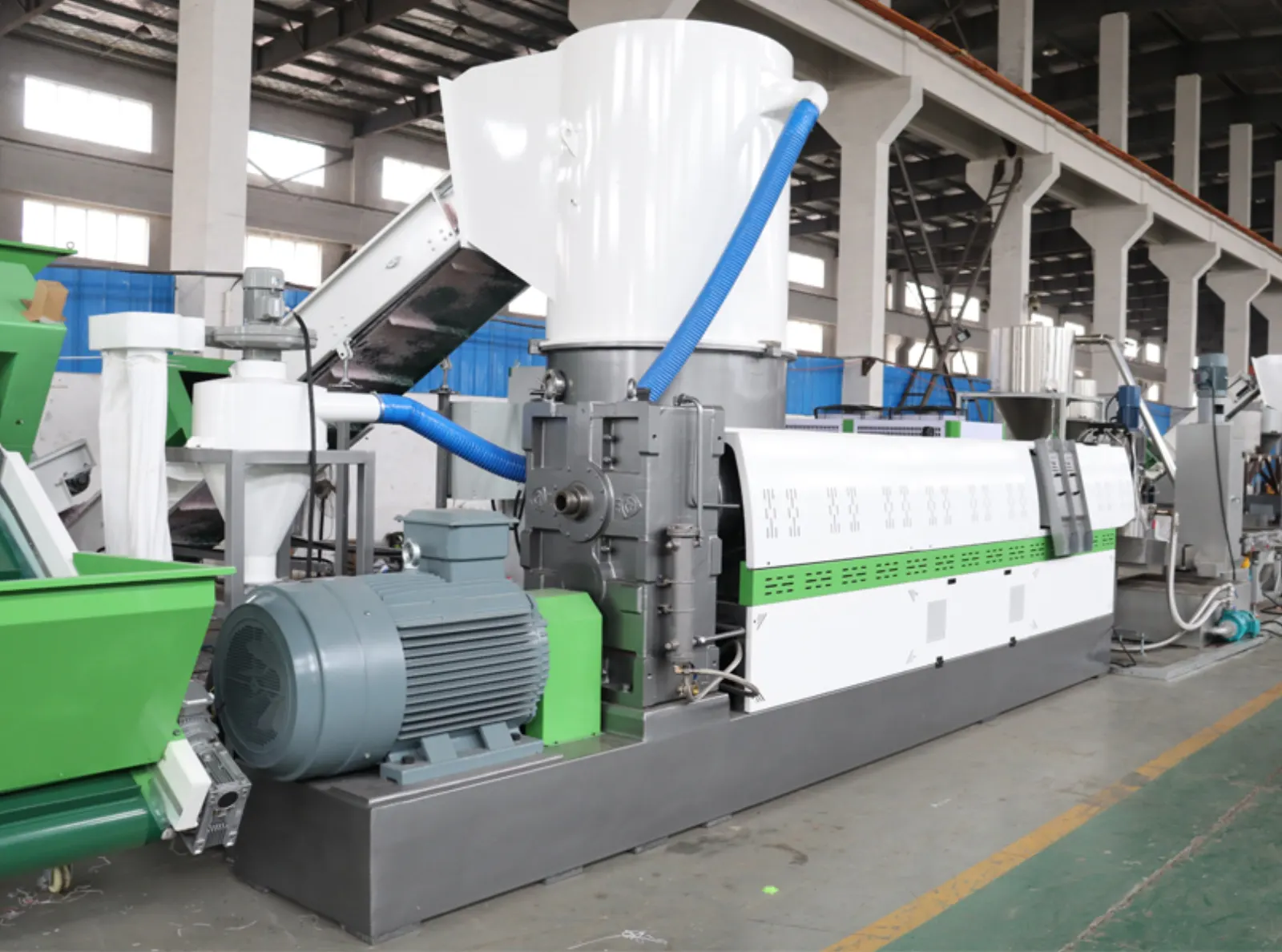
With the rising demand for recycled polypropylene (PP) materials and the increased focus on sustainability in the packaging and textile sectors, the woven bag fabrics compactor & granulating line has become an essential system for recycling post-industrial and post-consumer waste. This advanced production line integrates compaction, feeding, extrusion, filtration, and pelletizing into a seamless workflow that transforms lightweight, bulky woven bag fabrics into high-quality recycled pellets.
Compared with traditional recycling systems, this specialized line is tailored specifically for PP woven bags, raffia, jumbo bags, FIBC, and woven sack scraps, offering higher efficiency, stable feeding, and excellent material compatibility. The following sections provide a comprehensive, human-written explanation of how the system works, its key advantages, and why it is widely used in the recycling industry.
What Is a Woven Bag Fabrics Compactor & Granulating Line?
A woven bag fabrics compactor & granulating line is a recycling system designed to process soft, lightweight, and bulky PP waste materials. These include:
PP woven bag scraps
Jumbo/FIBC bag offcuts
Raffia tape waste
Woven sack printing waste
Old woven bags from agriculture or industry
Flat yarn waste from woven bag production
Because these materials have low bulk density, they are difficult to feed directly into an extruder. The compactor solves this problem by densifying and stabilizing the feeding, ensuring continuous and efficient melting, filtration, and pelletizing.
Material Feeding and Cutting: Preparing the Woven Fabrics
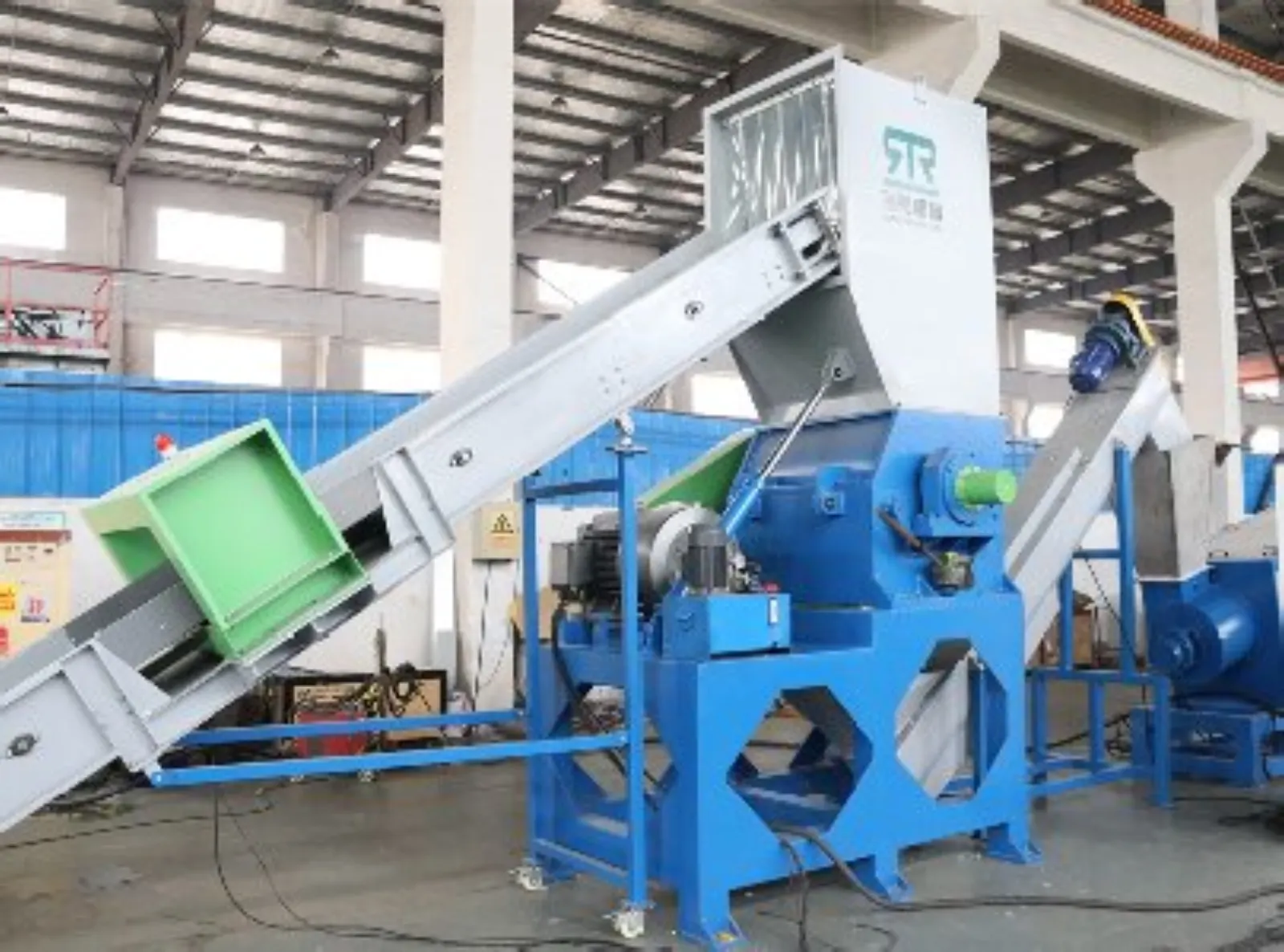
The first stage begins with loading woven bag materials onto a conveyor belt or directly into a shredder.
Key Functions
Cutting woven fabrics into small, uniform pieces
Removing oversized contaminants
Stabilizing the raw material flow
Preparing the material for the compactor
Some systems include metal detectors and manual sorting stations to prevent equipment damage. Because woven fabrics tend to tangle, professional recycling lines use anti-winding blade designs and robust shredders.
Compactor: The Heart of the Recycling Line
The compactor (also called a cutter-compactor or agglomerator) is the core component that makes this line ideal for woven bag recycling.
How the Compactor Works
Inside the compactor, high-speed rotating blades generate frictional heat. This serves to:
Pre-heat the material
Reduce its bulk density
Slightly melt or soften the surface
Increase feeding stability
Compact lightweight pieces into denser, uniform flakes
This pre-treatment ensures that the extruder receives a steady and consistent feed, preventing issues such as:
Extruder starvation
Material backflow
Irregular pellet size
Output fluctuation
The compactor connects directly to the extruder through a forced-feeding screw, ensuring seamless transfer.
Extrusion: Melting and Homogenizing the Material
After pre-densification, woven bag flakes enter the extruder. Because the raw material is PP, which is highly stable and recyclable, a single-screw extruder is typically used.
Core Functions of the Extruder
Melting the compacted PP
Mixing additives if needed (coloring, stabilizers, fillers)
Degassing to remove moisture and volatiles
Stabilizing melt pressure
Degassing System
Woven bags often absorb water and sometimes contain printing ink residue or organic contaminants. The extruder is therefore equipped with:
Single or double vacuum degassing systems
Venting ports
High-efficiency vacuum pumps
Proper degassing improves pellet quality and prevents bubbles or surface defects.
Filtration: Removing Contaminants for High-Quality Pellets
Since woven bags may contain printing inks, dust, dirt, and small fibers, filtration is a critical stage.
Filtration Options
Manual screen changers
Hydraulic screen changers
Continuous automatic screen changers
Automatic backflush systems are preferred for high-contamination materials or large-scale production.
Importance of Filtration
Improves pellet uniformity
Reduces impurities
Increases melt stability
Enhances downstream product quality
High-quality filtration ensures the pellets can be used for extrusion, injection molding, blow molding, and compounding.
Pelletizing: Transforming Melted PP Into Granules
Once the PP melt is filtered, it passes into a pelletizing system. Depending on end-use requirements and production capacity, a woven bag fabrics compactor & granulating line can use the following pelletizing methods:
Strand Pelletizing
Melt is extruded into water trough
Cut into cylindrical pellets
Low-cost and stable
Ideal for general-purpose recycled pellets
Water-Ring Pelletizing
Melt is cut directly at the die face
Pellets are cooled by circulating water
Uniform pellet size
Preferred for medium–high capacity lines
Underwater Pelletizing
High-end option
Best pellet uniformity
Used in demanding PP applications
Water-ring pelletizing is the most common choice because of its reliability and high output.
Drying and Cooling: Ensuring Pellet Quality
After pelletizing, the pellets must be dried and cooled.
Drying Systems
Centrifugal dewatering machine
Vibrating dewatering screen
Air dryer or fluidized-bed dryer
Purpose
Reduce pellet moisture
Stabilize pellet hardness
Improve storage and mixing performance
Final moisture levels are typically reduced to less than 1%, suitable for packaging and long-term storage.
Silo Storage and Packaging
The final stage involves transporting pellets through a blower or pipe system into storage silos. From there, the pellets can be:
Packed in 25 kg bags
Transferred into jumbo bags
Stored in silos for immediate sale
Used directly in production lines (in-house recycling)
Automated bagging machines improve efficiency and reduce labor costs.
Advantages of a Woven Bag Fabrics Compactor & Granulating Line
- Stable Feeding of Lightweight Materials
The compactor eliminates feeding issues commonly associated with woven fabrics.
- High Output Efficiency
The continuous feeding-extrusion system ensures consistent throughput.
- Low Energy Consumption
Pre-heating and densification reduce extruder load and save energy.
- Versatility
Suitable for:
Woven bags
Raffia tape
PP film
FIBC big bags
Flat yarn scraps
- High-Quality Recycled Pellets
Uniform pellets suitable for injection molding, film blowing, pipe extrusion, and compounding.
- Less Dust and Better Air Quality
Modern systems include air separation and dust control.
Applications of Recycled PP Pellets from Woven Bags
Recycled PP pellets produced from this system are widely used in:
PP woven sack manufacturing
PP injection molding components
Plastic furniture
Broom and brush bristles
Plastic strips and raffia tape
Packaging applications
Automobile components (non-structural)
Recycled PP sheets and pipes
The versatility of PP makes it valuable in many industrial sectors.
Selecting the Right Line for Your Factory
When choosing a woven bag fabrics compactor & granulating line, factories should consider:
Daily output requirement
Power and water supply
Contamination level of raw material
Filtration precision needed
Pelletizing method preference
Availability of maintenance service
Cost-performance ratio
A properly configured line can significantly reduce plastic waste disposal costs and increase revenue from recycled pellets.
Conclusion
The woven bag fabrics compactor & granulating line is an advanced and highly efficient solution for recycling PP woven fabrics, jumbo bag offcuts, and raffia waste. By integrating compaction, extrusion, filtration, and pelletizing, the system converts lightweight, bulky waste into valuable recycled pellets with stable performance and high market demand.
For factories producing or using woven bags, investing in this production line not only addresses waste management challenges but also creates a profitable recycling loop, reduces raw material costs, and supports global sustainability goals.
This article is carried over from the Retech technical archive and keeps its original URL.
ABOUT THIS UPDATE
Published by Retech Marketing & Communications Team
The Retech Marketing & Communications Team publishes official company news, exhibition information, factory updates, project milestones and product announcements.
For technical questions about plastic recycling systems, please contact our engineering team.