
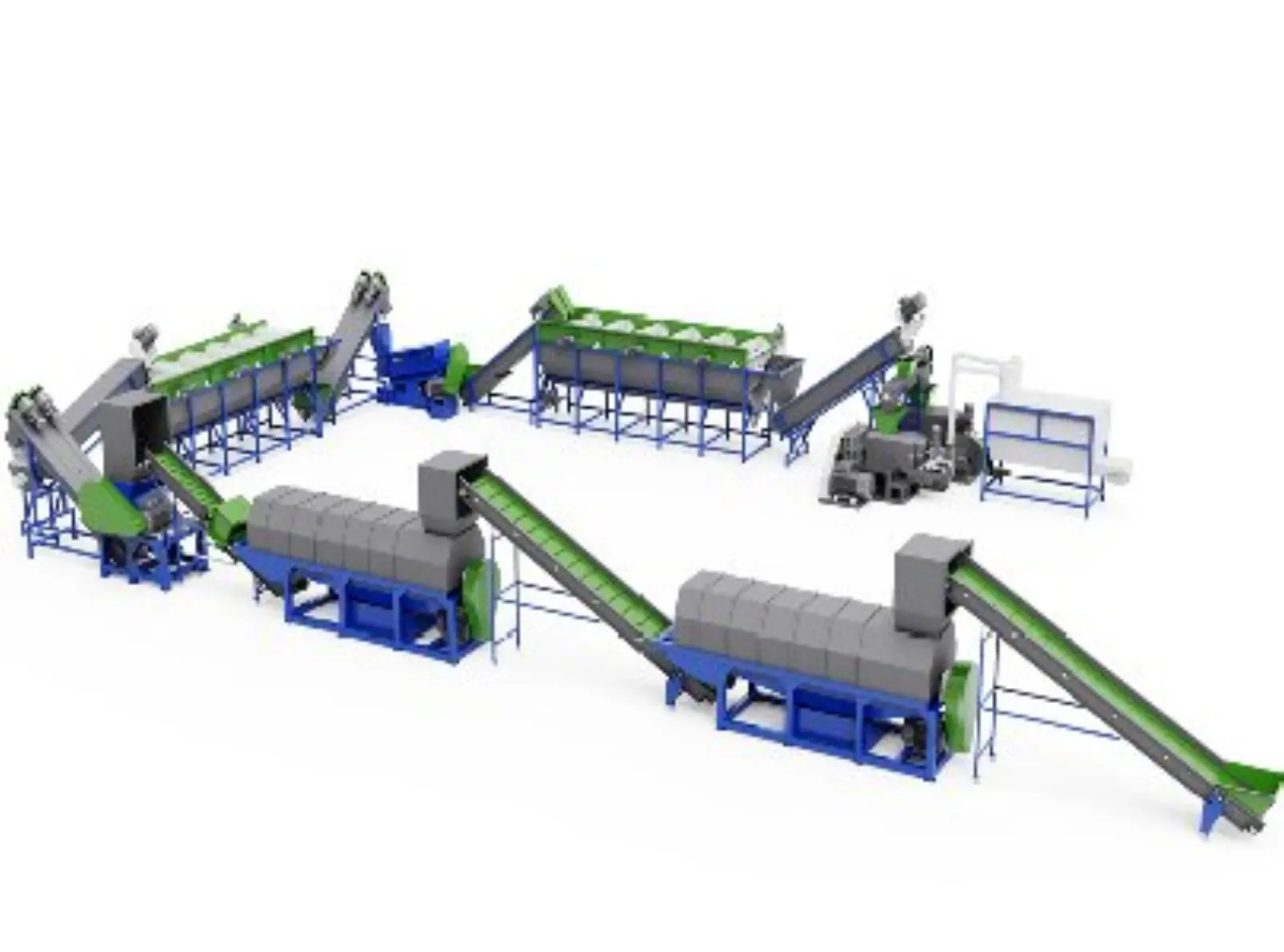
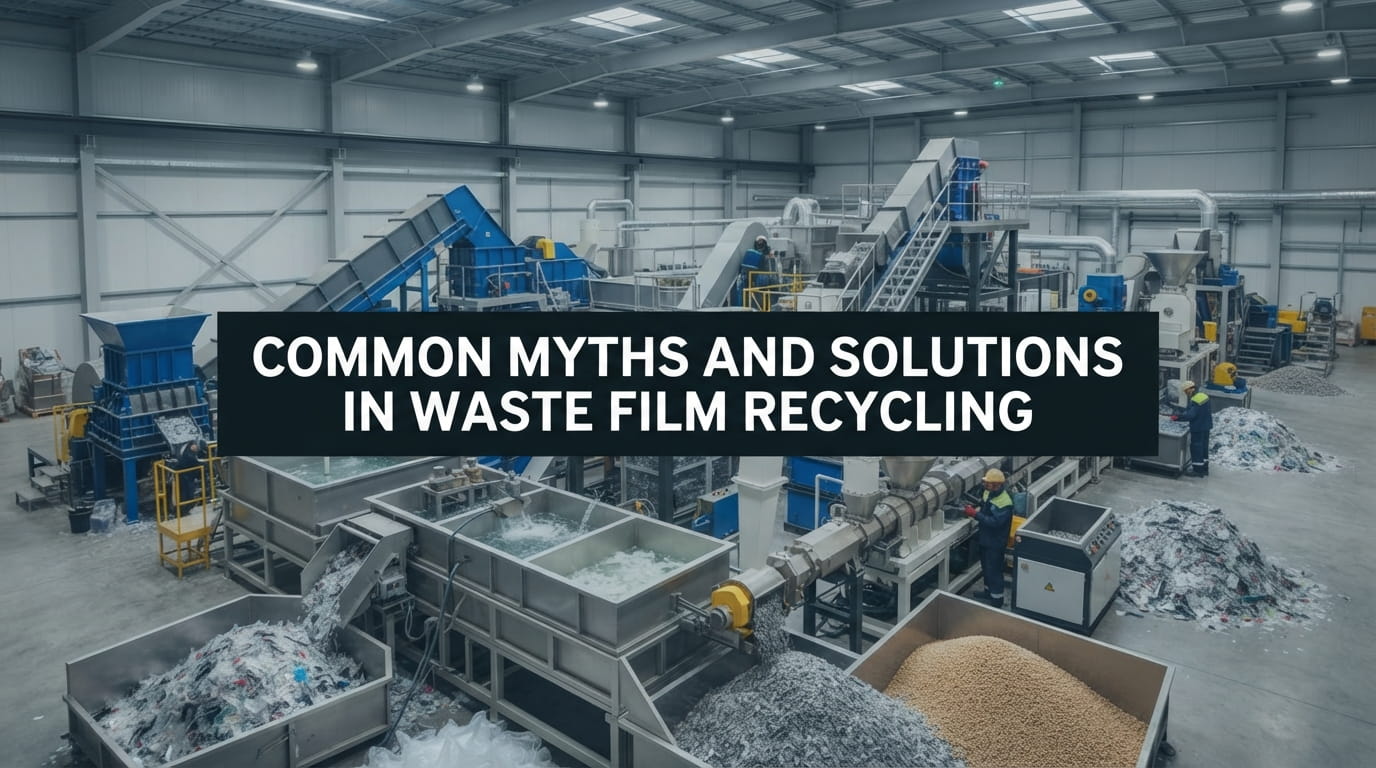
A waste film recycling line converts post-consumer and industrial flexible plastics, such as LDPE, LLDPE, and agricultural wrap, into high-purity regrind, whereas discarding bulky films to landfills incurs rising tipping fees and wastes valuable polymer resources.
Because thin films are lightweight, easily tangled, and frequently contaminated with mud and oil, they are often misjudged as impossible to recycle profitably or cleanly.
This guide breaks down five common misconceptions in industrial film recycling and explains how modern automated washing and pelletizing lines solve them through targeted engineering.
Myth 1: Waste Plastic Film Cannot Be Mechanically Recycled Profitably
Many plant investors assume that post-consumer film packaging and agricultural mulch wraps are too bulky, low-density, and expensive to transport and sort, making landfilling the only viable option.
Industrial film recycling counters this misconception by transforming low-density bulk waste into high-demand secondary raw materials. Modern recycling operations achieve clear and repeatable profit margins through structured volume reduction and automated extrusion:
- Cost-Efficient Volume Reduction: Heavy-duty balers and high-torque industrial shredders dramatically reduce the volume of loose film, cutting logistics and material handling costs.
- Reliable Downstream Markets: Regranulated LDPE and LLDPE find stable demand in secondary manufacturing applications, including blown film bags, agricultural drainage pipes, and extruded plastic lumber.
- Landfill Avoidance Savings: Diverting high-volume scrap films directly offsets mounting commercial tipping fees.
Beyond flexible film scrap, upgrading overall plant efficiency often involves balancing your setup with specialized PET bottle washing equipment if you handle mixed municipal recycling streams.
Myth 2: Heavily Contaminated Agricultural and Post-Consumer Films Are Unusable
A widespread operational fear is that heavily soiled agricultural mulch films or retail packaging caked in mud, sand, and adhesive labels will immediately jam downstream granulators or remain permanently dirty.
Thermal energy alone cannot remove embedded grit from flexible plastic webs, and manual sorting is economically unfeasible. Modern processing lines solve contamination through a rigorous mechanical and wet separation sequence:
- Dry Pre-Cleaning: Rotating trommel screens and air classifiers agitate baled film to strip away 70% to 80% of loose sand, stones, and surface dirt before water ever enters the system.
- Multi-Stage Wet Washing: High-speed friction washers and temperature-controlled hot wash reactors target heavy oil and glue residues.
- Density Separation: Sink-float separation tanks separate clean polyolefin flakes from heavier sinking contaminants, driving final impurity rates below 1%.
Myth 3: Soft Film Always Wraps Around Crusher Shafts and Jams Equipment
A persistent engineering myth is that flexible, stretchy plastic films possess too much stretch to be processed by standard size-reduction machinery, wrapping around rotor shafts and overheating blades.
Traditional rigid-plastic crushers fail on thin gauges because soft polymers stretch rather than break under standard impact cutting forces. Specialized film recycling configurations eliminate shaft wrapping through specific mechanical designs:
- V-Cut Rotor Geometry: Staggered V-cut shear blades apply precise and continuous cutting stress across the web width rather than blunt tearing.
- Water-Assisted Wet Granulation: Injecting high-pressure water directly into the cutting chamber cools the polymer, prevents heat buildup, and lubricates the gap to stop film fusing.
Myth 4: Drying Washed Plastic Film Consumes Too Much Thermal Energy
Because flexible films feature a high surface-area-to-mass ratio, they trap surface moisture aggressively. Many operators assume that drying washed film requires massive thermal gas dryers that consume prohibitive amounts of energy, wiping out operational margins.
Relying entirely on high-heat evaporation to drive moisture down creates severe operating expense bottlenecks. Modern plant engineering replaces high-energy thermal drying with mechanical dewatering:
- High-Torque Mechanical Squeezers: Dewatering screw presses apply extreme mechanical pressure to force trapped moisture out through drainage slots, dropping film moisture directly from high levels down to 3% to 5% while partially densifying the material.
- Vacuum-Vented Extrusion: Any remaining micro-moisture is safely removed through multi-stage vacuum degassing ports built directly into the compounding extruder barrel.
Myth 5: Multi-Layer and Mixed Polyolefin Films Have Zero Recycling Value
It is frequently believed that once mixed polyolefins, multi-layer barrier packaging, or minor fractions of PP enter the recycling stream, the entire batch loses commercial value due to melt-flow inconsistencies.
While unsorted polymer streams present processing challenges, modern extrusion technology bridges compatibility gaps successfully:
- Polyolefin Density Sorting: Because PE and PP share a density below 1.0 g/cm³, they can be sorted and recovered together in water-based separation systems.
- Advanced Melt Filtration: Continuous non-stop screen changers filter out unmelting paper fibers and foreign specking without pausing production.
- Melt Index Stabilization: Dual-stage extruders with dedicated degassing ensure thorough polymer mixing, yielding stable and uniform pellets.
Quick Reference: Waste Film Recycling Challenges vs. Equipment Solutions
The table below outlines key operational parameters, primary contaminants, and required modular equipment for processing different waste film feedstocks.
| Feedstock Type | Primary Contaminant | Required Washing & Drying Modules | Target Moisture & Output |
| Agricultural Stretch & Silage Wrap | Heavy soil, mud, moisture | Trommel screen, wet shredder, friction washer, mechanical squeezer | Moisture below 3%; agricultural pipe grade regrind |
| Agricultural Mulch Film | Sand, stones, organic dirt | Dry pre-cleaner, heavy-duty wet granulator, sink-float tank | Purity above 99%; blown film or molding grade |
| Post-Consumer Packaging Film | Paper labels, food residues, glue | Mechanical de-labeler, hot wash reactor, centrifugal dryer | Moisture below 2%; high-transparency pellet output |
Turn Waste Plastic Film into High-Grade Pellets with Retech Machine
Waste film recycling transforms challenging agricultural and packaging waste into high-value secondary raw materials when paired with robust mechanical washing and dewatering equipment. Aligning your machinery layout with your feedstock contamination levels ensures reliable and profitable plant operation.
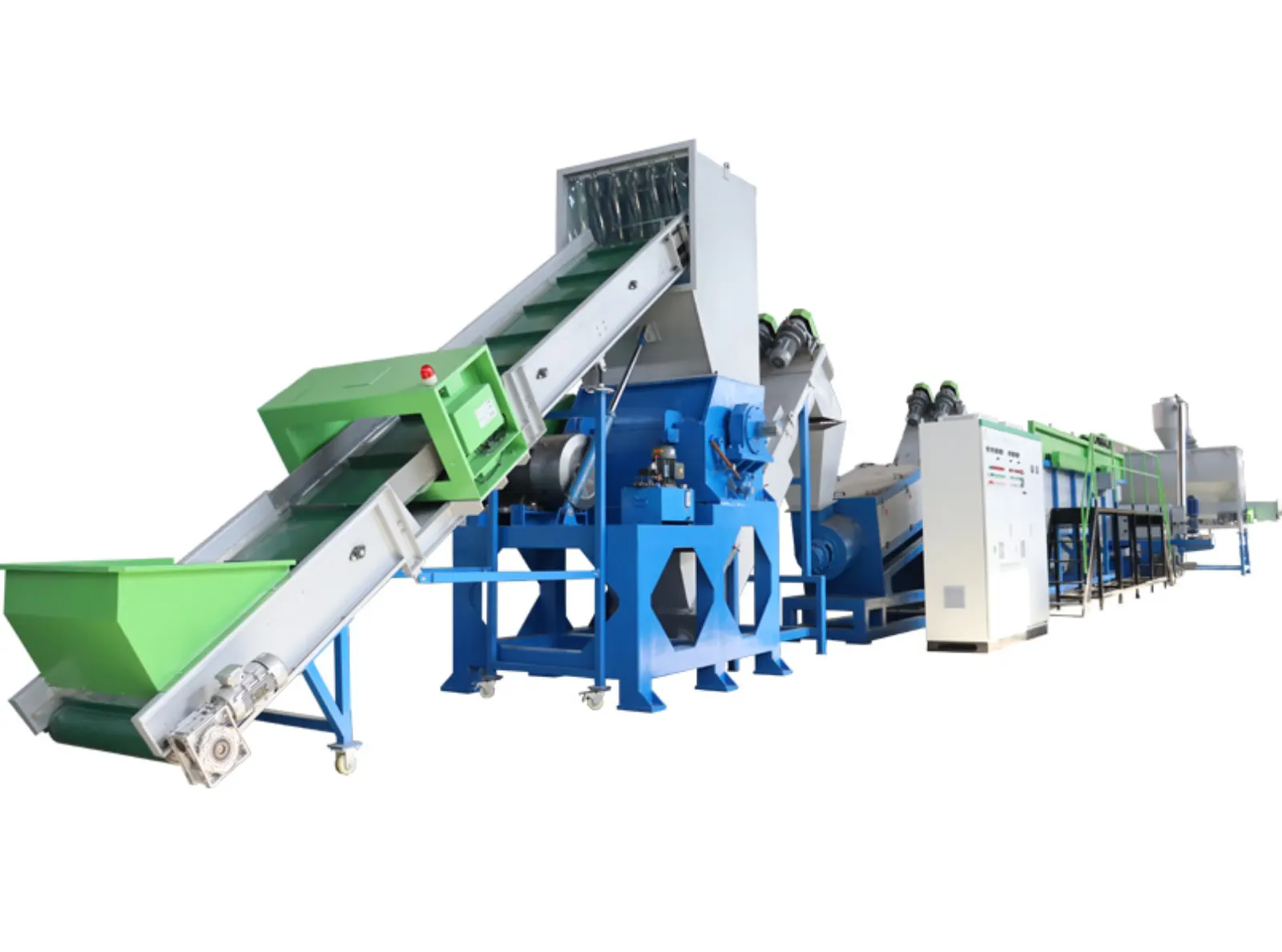
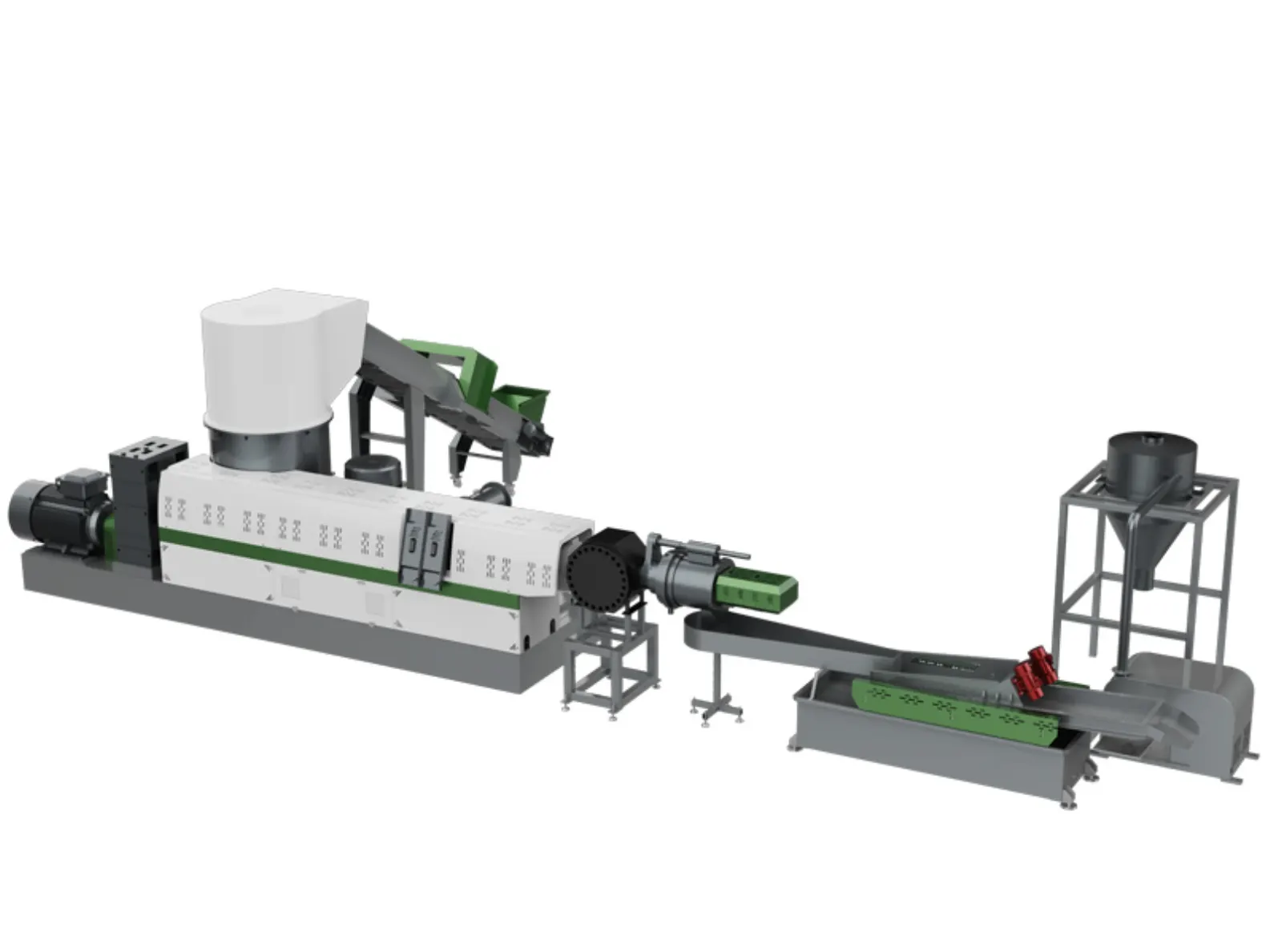
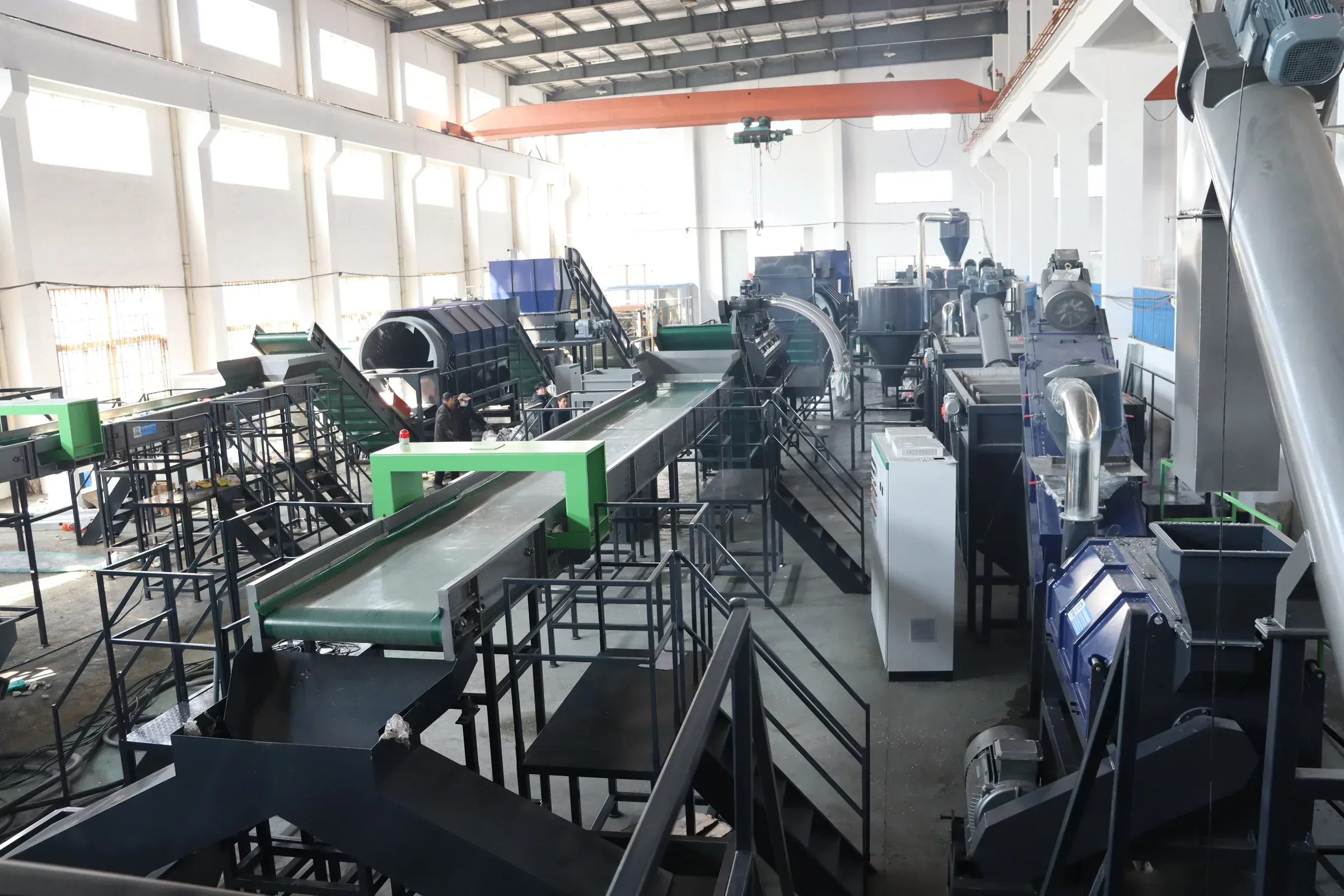
Retech Machine engineers and manufactures turnkey waste film washing and pelletizing lines ranging from 300 kg/h to 2,000 kg/h. Our integrated systems combine heavy-duty single-shaft shredders, wet granulators, high-speed friction washers, mechanical dewatering squeezers, and dual-stage compounding extruders to ensure stable melt output.
Contact the Retech Machine engineering team today with your feedstock details and target hourly capacity to receive a customized equipment proposal and plant layout.
ABOUT THIS UPDATE
Published by Retech Marketing & Communications Team
The Retech Marketing & Communications Team publishes official company news, exhibition information, factory updates, project milestones and product announcements.
For technical questions about plastic recycling systems, please contact our engineering team.