
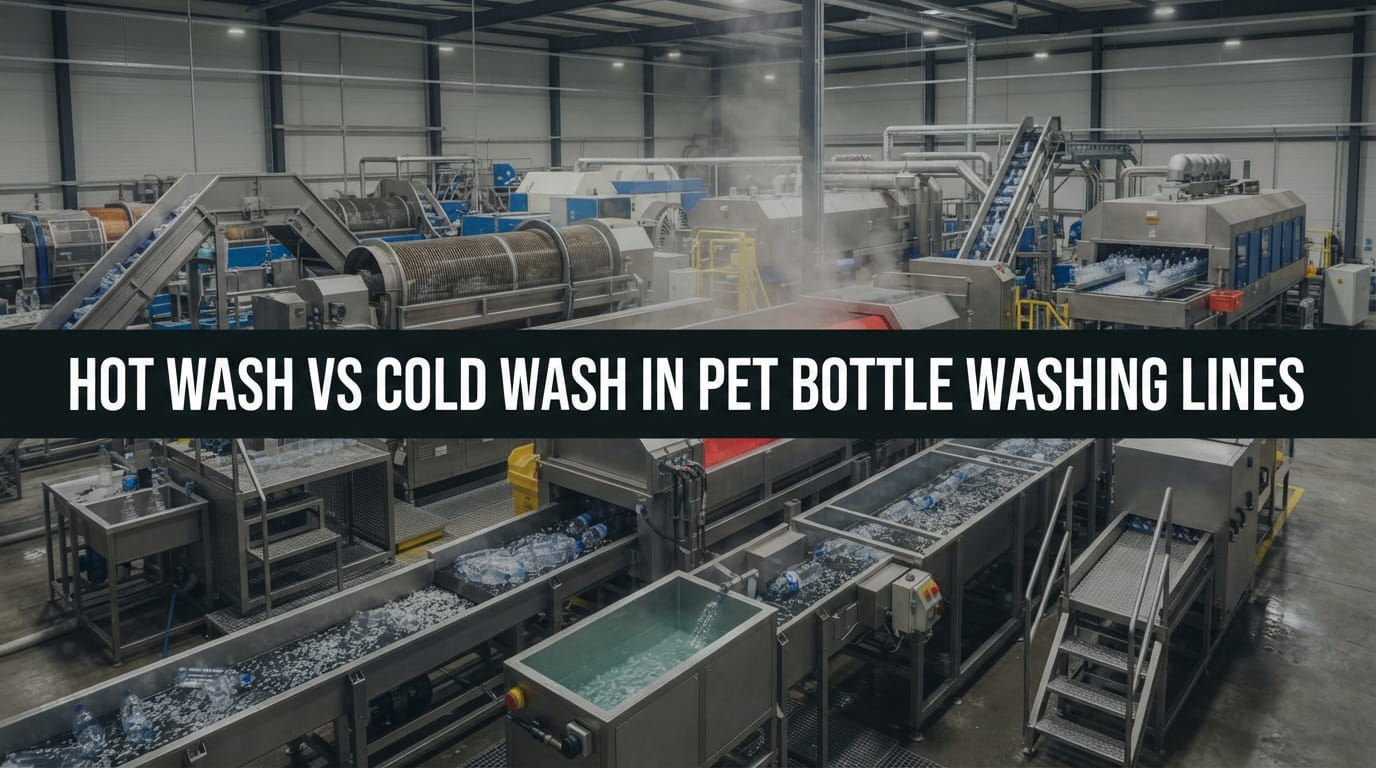
A cold washing line cleans PET flakes at ambient water temperatures (20°C to 30°C) using mechanical friction, whereas a hot washing line cleans PET flakes at 80°C to 95°C using caustic soda and surfactants to remove stubborn adhesives and oils.
Selecting the right configuration depends directly on your raw bottle contamination levels, utility budget, and target flake purity for downstream fiber or food-grade rPET production.
This guide breaks down the working principles, operational trade-offs, and selection criteria for cold, hot, and hybrid PET washing lines.
What Is a Cold Washing Line and How Does It Work?
A cold washing line cleans post-consumer PET bottles at ambient water temperatures (20°C to 30°C) by relying on mechanical friction, high-pressure water sprays, and density separation.
Cold washing systems use physical agitation rather than thermal energy or strong chemical reactions. High-speed friction washers scrub crushed PET flakes against each other and the perforated screen to strip away loose surface dirt, sand, and paper fibers.
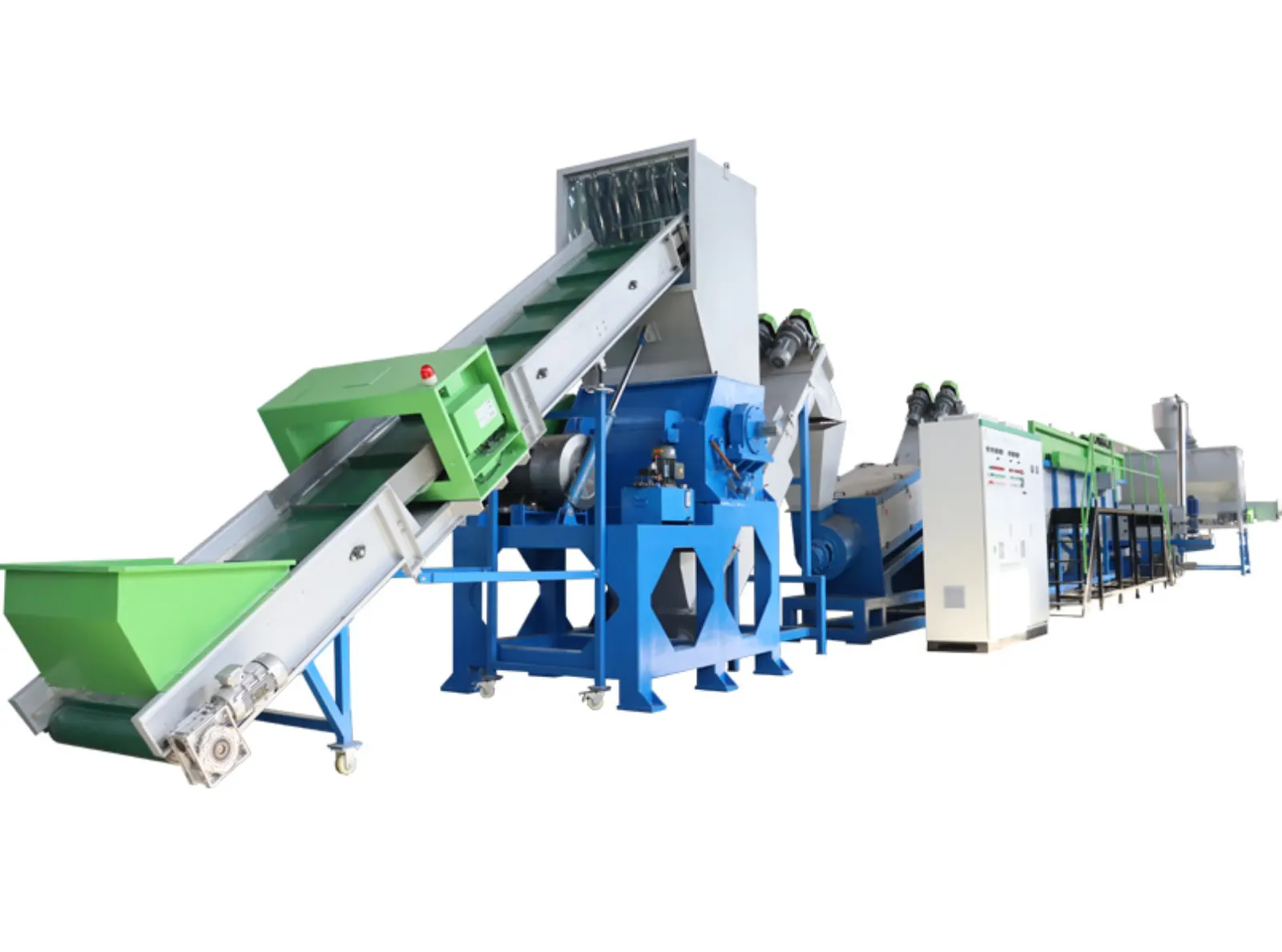
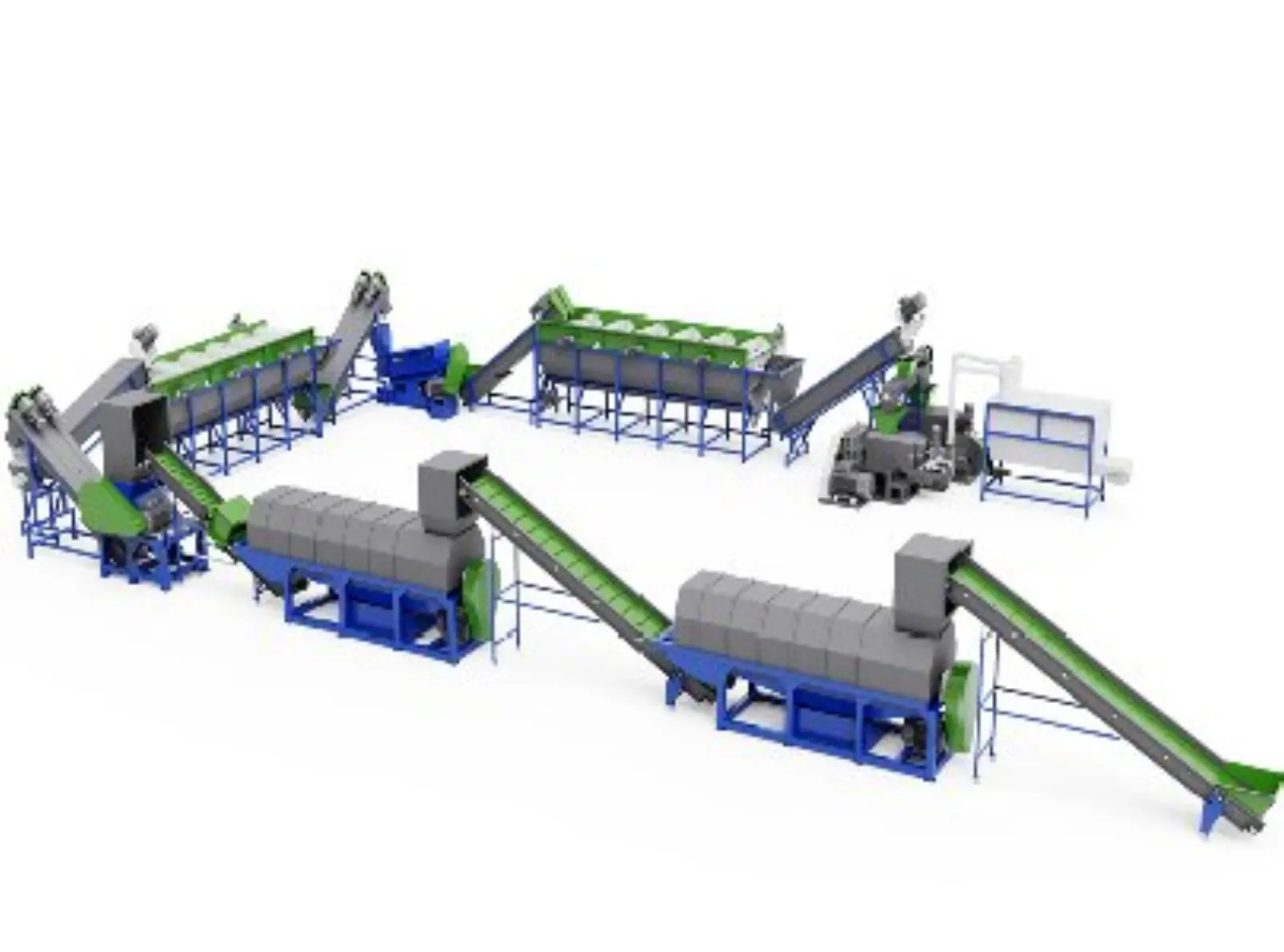
A standard cold PET washing line executes four sequential mechanical steps:
- Mechanical De-labeling: A dry label remover strips loose PVC or PP plastic sleeves from whole bottles before crushing.
- Wet Granulation: A wet crusher cuts bottles into uniform 10 mm to 14 mm flakes while water flushes away coarse debris.
- High-Speed Friction Washing: Rotating paddles generate intense mechanical friction to scour surface dust and mud from the flakes.
- Sink-Float Separation: Heavier PET flakes (density 1.38 g/cm³) sink in the separation tank, while lighter PP/PE bottle caps and label fragments (density below 1.0 g/cm³) float to the surface for removal.
Advantages of Cold Washing Lines
Cold washing lines offer distinct financial and operational advantages:
- Lower CAPEX: Eliminates boilers, heating elements, and chemical dosing tanks.
- Lower OPEX: Consumes zero thermal energy and produces neutral wastewater requiring only basic filtration.
- Simplified Maintenance: Fewer thermal and chemical components reduce daily mechanical upkeep.
Limitations of Cold Washing Lines
Cold washing lines face strict decontamination limits due to ambient water temperatures:
- Stubborn Adhesives: Cannot dissolve hot-melt label glues or residual printing inks.
- Oils and Grease: Leaves behind cooking oils, fats, and embedded organic residues.
- Limited End Markets: Flakes cannot pass purity audits for fine filament extrusion or food-grade rPET.
Ideal Applications of Cold Washing Lines
Cold-washed PET flakes are suited for non-food industrial markets where minor adhesive traces do not affect downstream processing:
- Polyester Staple Fiber (PSF): Raw material for carpeting, pillow stuffing, and non-woven geotextiles.
- PET Strapping Bands: Heavy-duty packaging straps for logistics and construction materials.
- Industrial Thermoformed Sheets: Non-food packaging trays and blister packs.
What Is a Hot Washing Line and How Does It Work?
A hot washing line cleans post-consumer PET bottles by heating water to 80°C to 95°C and dosing alkaline chemicals to dissolve hot-melt glues, saponify cooking oils, and eliminate bacteria.
Thermal energy alone cannot remove embedded oils and chemical adhesives from plastic surfaces. At temperatures above 80°C, hot-melt glues soften, allowing chemical agents to break their bond with the PET flake.
Hot washing reactors dose caustic soda (NaOH at 0.3% to 1.5% concentration) alongside industrial surfactants into the heated water bath to perform three specific decontamination tasks:
- Adhesive Dissolution: Alkaline chemicals break down stubborn label glues and residual printing inks so rinsing units can flush them away.
- Oil Saponification: Caustic soda reacts with cooking oils, fats, and organic residues, converting them into water-soluble soaps.
- Microbial Sanitization: Sustained water temperatures between 80°C and 95°C eliminate bacteria and remove trapped organic odors from the polymer pores.
Advantages of Hot Washing Lines
Hot washing lines deliver superior decontamination and market value:
- Higher Flake Purity: Strips away stubborn glues, oils, and PVC residues to meet strict buyer specs.
- Complete Odor Removal: Eliminates trapped organic odors through sustained thermal sanitation.
- Higher Selling Price: Produces transparent rPET flakes that command premium market rates per ton.
Limitations and Engineering Controls of Hot Washing Lines
Hot washing lines involve higher operational demands, which modern engineering controls mitigate:
- Higher CAPEX and Energy Demand: Requires boilers and heating units, offset by integrated heat exchangers that recover residual thermal energy.
- Chemical Consumption: Relies on continuous NaOH dosing, minimized through multi-stage filtration and caustic recovery loops.
- Alkaline Wastewater: Generates high-pH discharge that requires neutralization tanks before release.
Ideal Applications of Hot Washing Lines
Hot-washed PET flakes meet strict purity specifications required by high-value downstream manufacturers:
- Food-Grade Bottle-to-Bottle rPET: Pellets complying with FDA, EFSA, and APR Design Guidance standards.
- Food-Contact Thermoformed Packaging: Clear clamshells, fruit punnets, and beverage cups.
- Fine Filament Yarn (POY/FDY): High-tenacity yarns for apparel and technical textiles.
Technical and Economic Comparison: Cold vs. Hot Washing
The table below compares cold washing lines and hot washing lines across core engineering, utility, and market parameters.
| Parameter | Cold Washing Line | Hot Washing Line |
| Operating Temperature | 20°C to 30°C (Ambient) | 80°C to 95°C |
| Chemical Agents | None or mild detergent | NaOH (0.3% to 1.5%) + Surfactant |
| Energy Demand | Low (Mechanical motors only) | High (Requires steam, gas, or electric heating) |
| Contaminants Removed | Sand, mud, dust, loose labels | Hot-melt glues, grease, organic residues, bacteria |
| Wastewater Treatment | Basic filtration and settling | Requires pH neutralization and filtration |
| Target Output Grade | Staple fiber, strapping band, industrial sheet | Fine filament yarn, food-grade rPET pellets (FDA/EFSA) |
Why Modern Recycling Plants Use a Hybrid Washing Configuration
Modern medium-to-large PET recycling plants combine upstream cold pre-washing with downstream hot washing to maximize flake purity while minimizing chemical consumption and thermal degradation.
Sending unwashed, muddy bottles directly into a heated reactor rapidly contaminates the alkaline bath and wastes expensive caustic soda on basic sand and dirt. A staged hybrid layout separates physical cleaning from chemical decontamination:
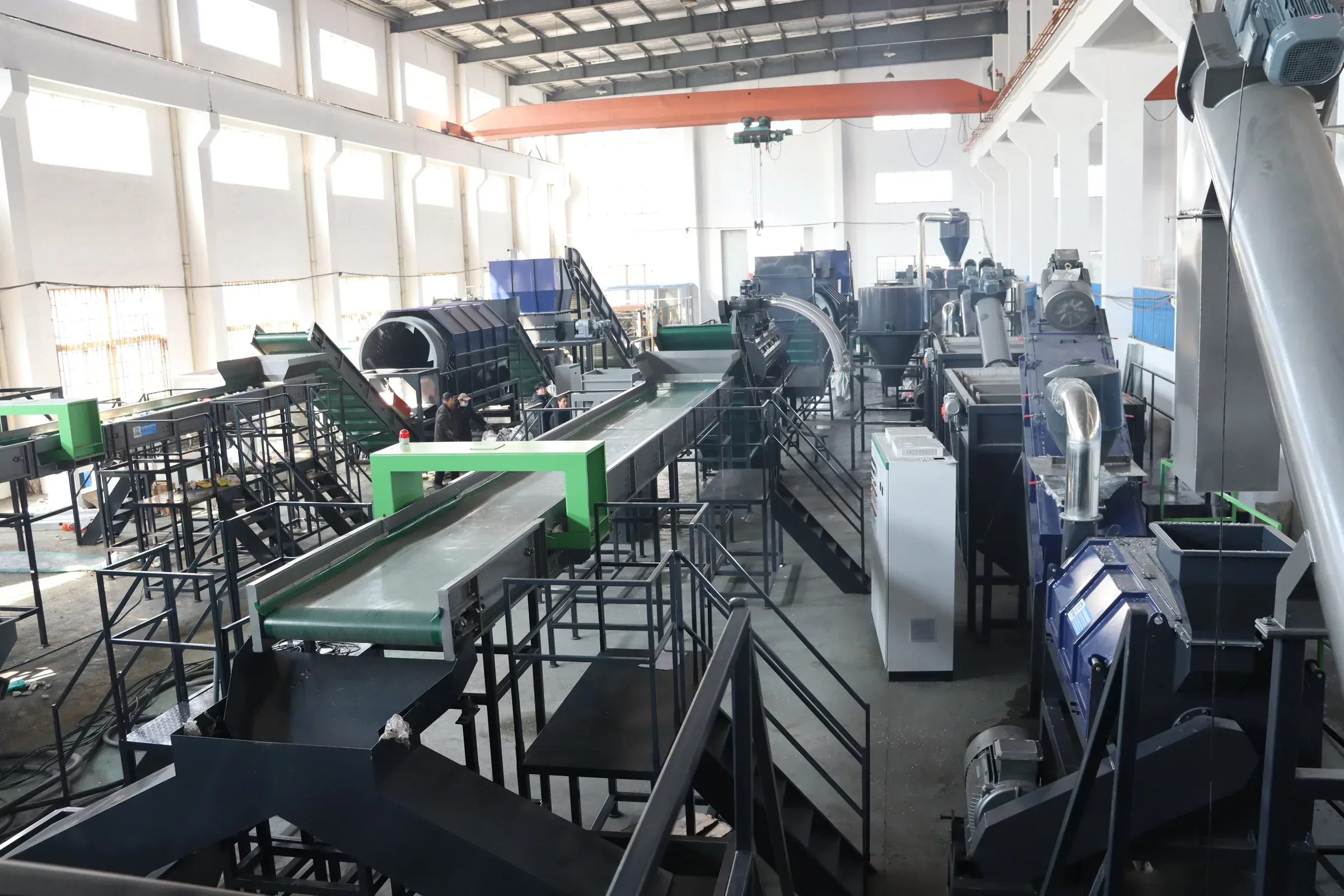
- Upstream Cold Pre-Wash: Incoming baled bottles pass through a dry trommel screen, mechanical de-labeler, and cold wet crusher. This cold stage removes up to 80% of gross dirt, sand, and loose labels using low-cost ambient water.
- Downstream Hot Wash Reactor: Pre-cleaned PET flakes enter the 80°C to 95°C NaOH reactor tank. Because surface mud is already gone, the hot chemical bath targets only microscopic glue residues and oils.
- Post-Wash Rinsing and Drying: Clean flakes exit the hot reactor into cold rinsing tanks and high-speed centrifugal dryers, reducing final moisture content to below 1%.
Staged hybrid washing also protects the polymer's Intrinsic Viscosity (IV). Prolonged exposure to high heat and caustic soda causes hydrolytic degradation, which weakens PET polymer chains. Pre-cleaning flakes in cold water shortens the required residence time inside the hot wash reactor, preserving material strength for downstream pelletizing and extrusion.
How to Choose the Right PET Washing Configuration
Choosing between a cold, hot, or hybrid PET washing line requires evaluating your local feedstock contamination, target buyer specifications, and hourly production capacity.
1. Raw Material Feedstock Quality
Curbside-collected beverage bottles carry predictable labels and light organic residues that respond well to standard washing setups. Bottles sourced from mixed municipal waste or food-service channels contain heavy cooking oils, stubborn glues, and higher PVC contamination, making a hot wash reactor mandatory.
2. Target End-Market Specifications
Manufacturers producing thick polyester staple fiber or packaging strapping bands achieve strong margins with a cold washing line. Recyclers supplying fine textile filament producers, thermoformed food packaging plants, or bottle-to-bottle rPET pelletizers (complying with FDA, EFSA, and APR Design Guidance) must install a hot washing system to pass strict purity audits.
3. Throughput Capacity with Utility Rates
At smaller capacities such as 500 kg/h, a simplified cold washing line offers faster capital payback. At industrial scales from 1,500 kg/h to 5,000 kg/h, the higher market price of hot-washed rPET flakes easily offsets local electricity, gas, and water treatment expenses.
Learn more about How to Choose a PET Bottle Washing Line.
Build a Custom PET Bottle Washing Line with Retech
Cold washing lines deliver a cost-effective solution for industrial fiber and strapping applications, while hot and hybrid washing lines provide the deep chemical decontamination required for high-value rPET markets. Aligning your machinery configuration with your raw material quality and buyer standards ensures stable plant profitability.
Retech Machine engineers and manufactures turnkey PET bottle washing lines from 500 kg/h to 5,000 kg/h, including heavy-duty mechanical de-labelers, high-speed friction washers, sink-float separation tanks, and temperature-controlled hot wash reactors.
Contact the Retech Machine engineering team today with your raw material details and target capacity to receive a customized equipment layout and washing line proposal.
ABOUT THIS UPDATE
Published by Retech Marketing & Communications Team
The Retech Marketing & Communications Team publishes official company news, exhibition information, factory updates, project milestones and product announcements.
For technical questions about plastic recycling systems, please contact our engineering team.