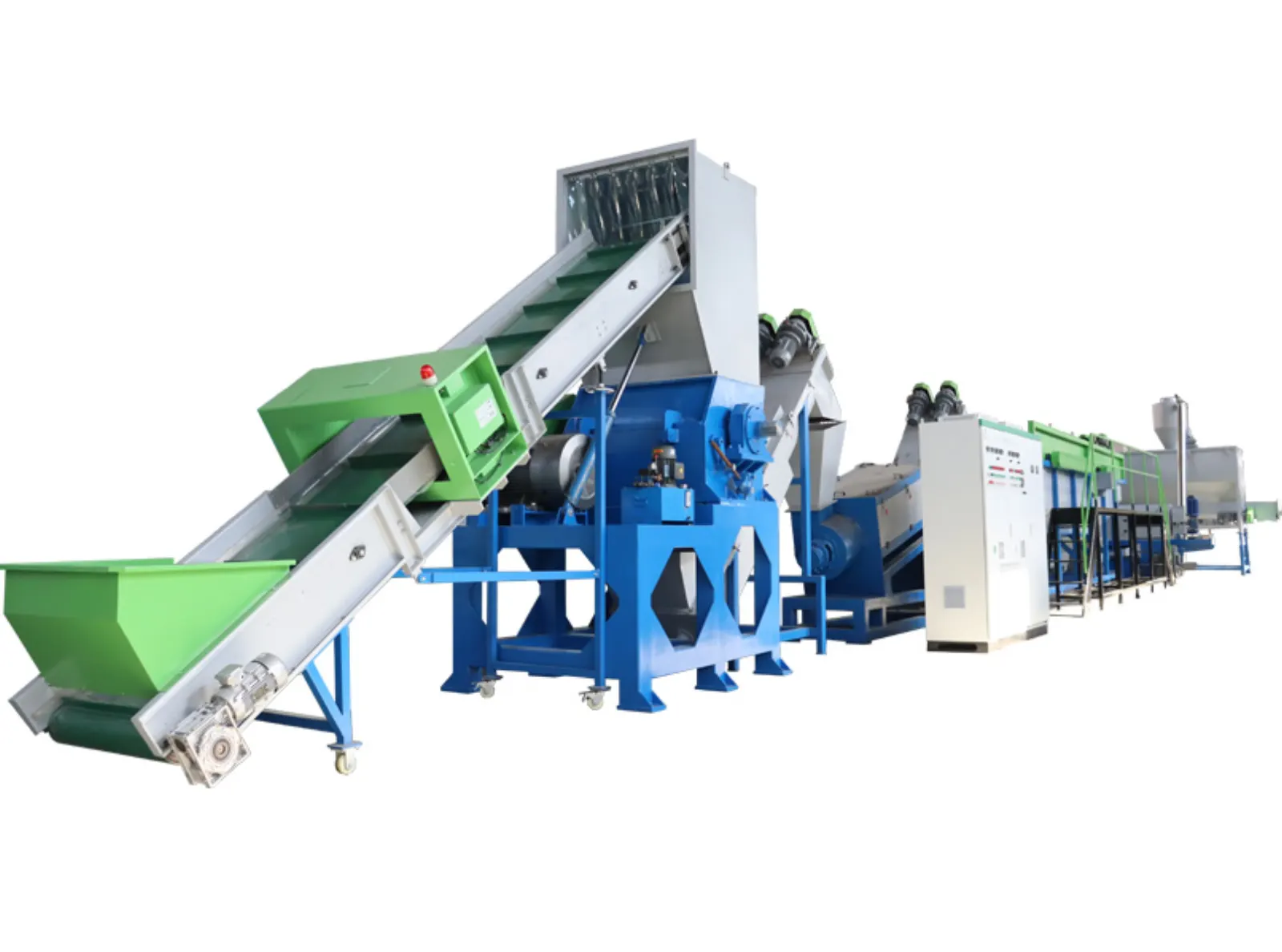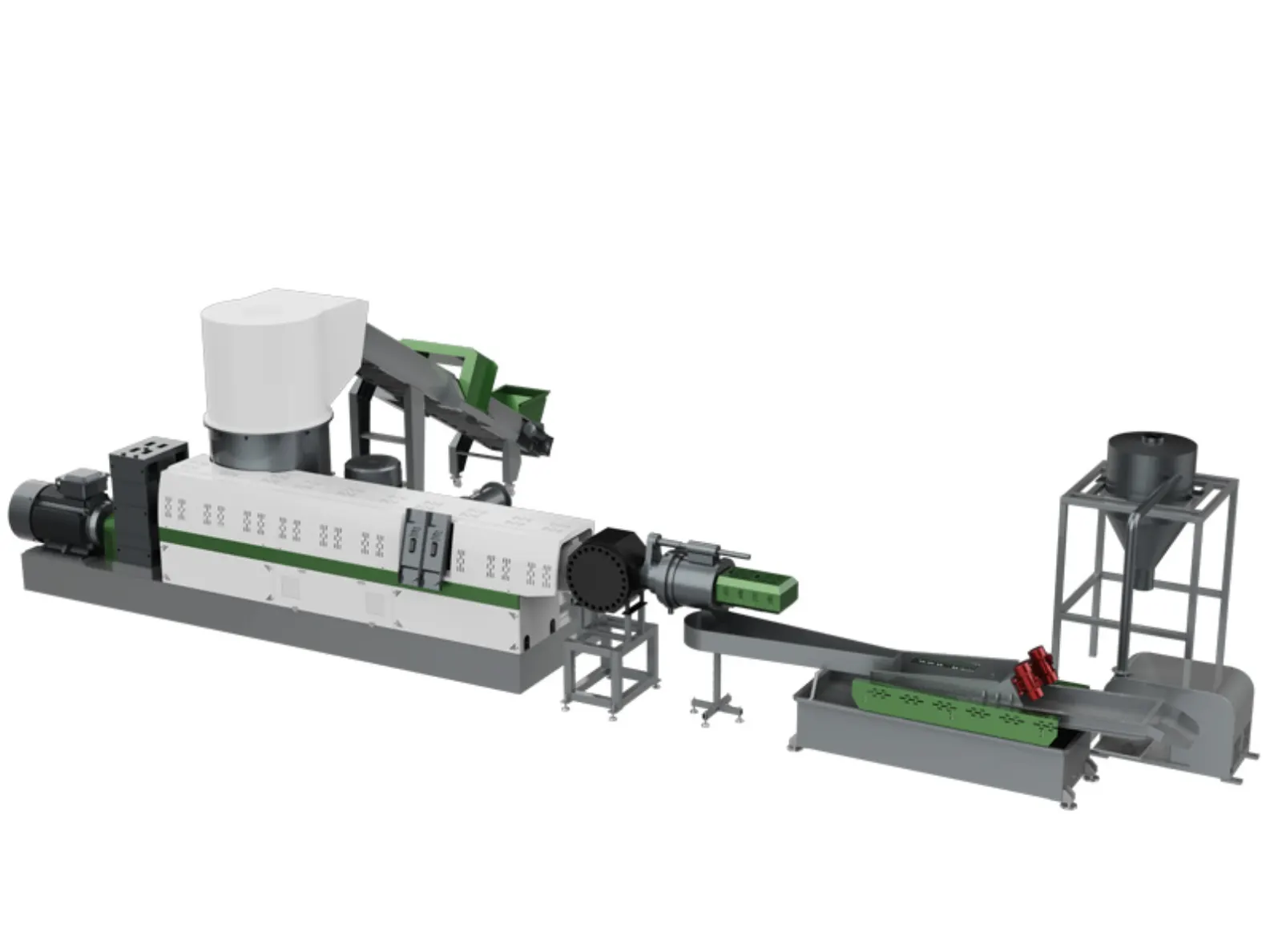
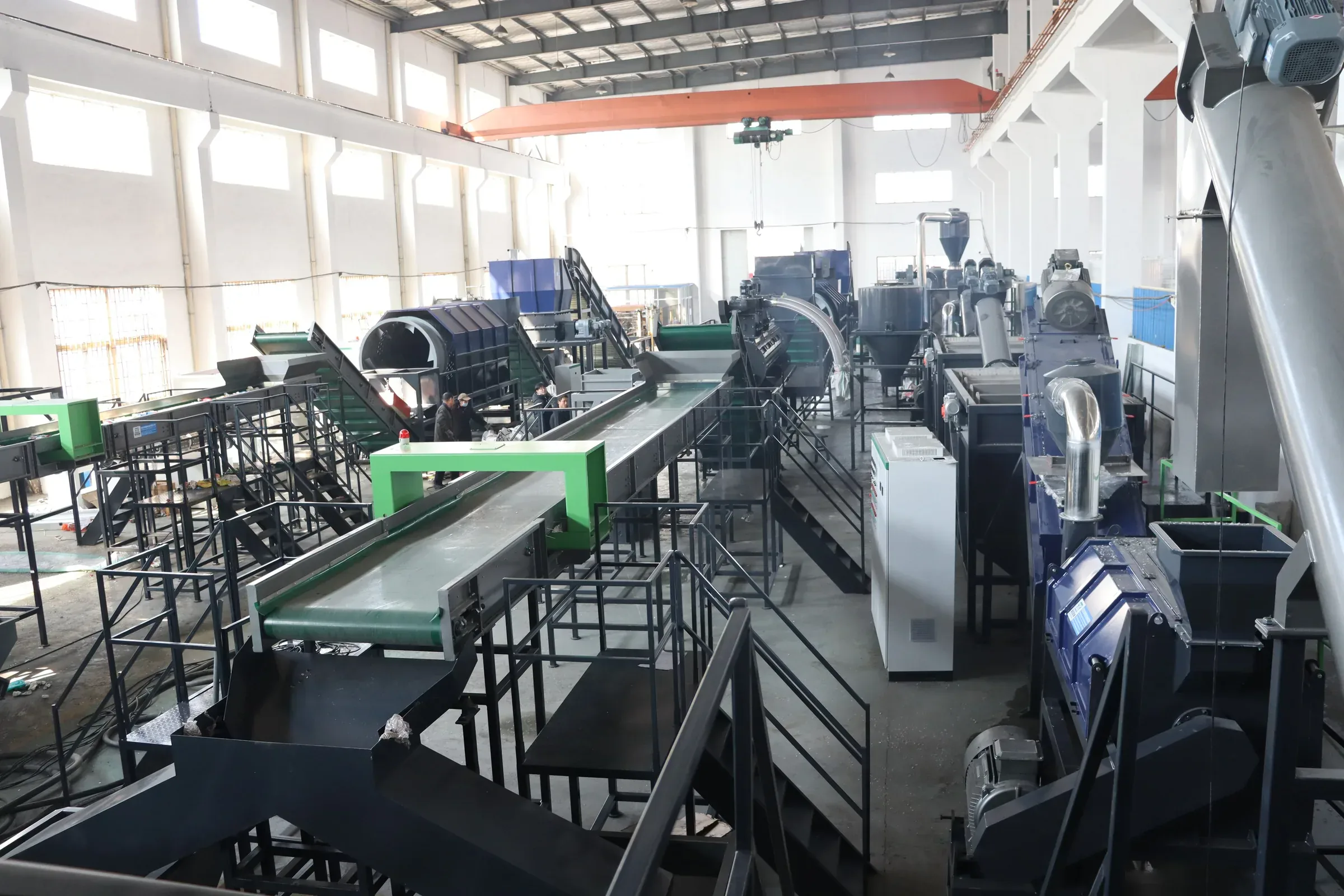
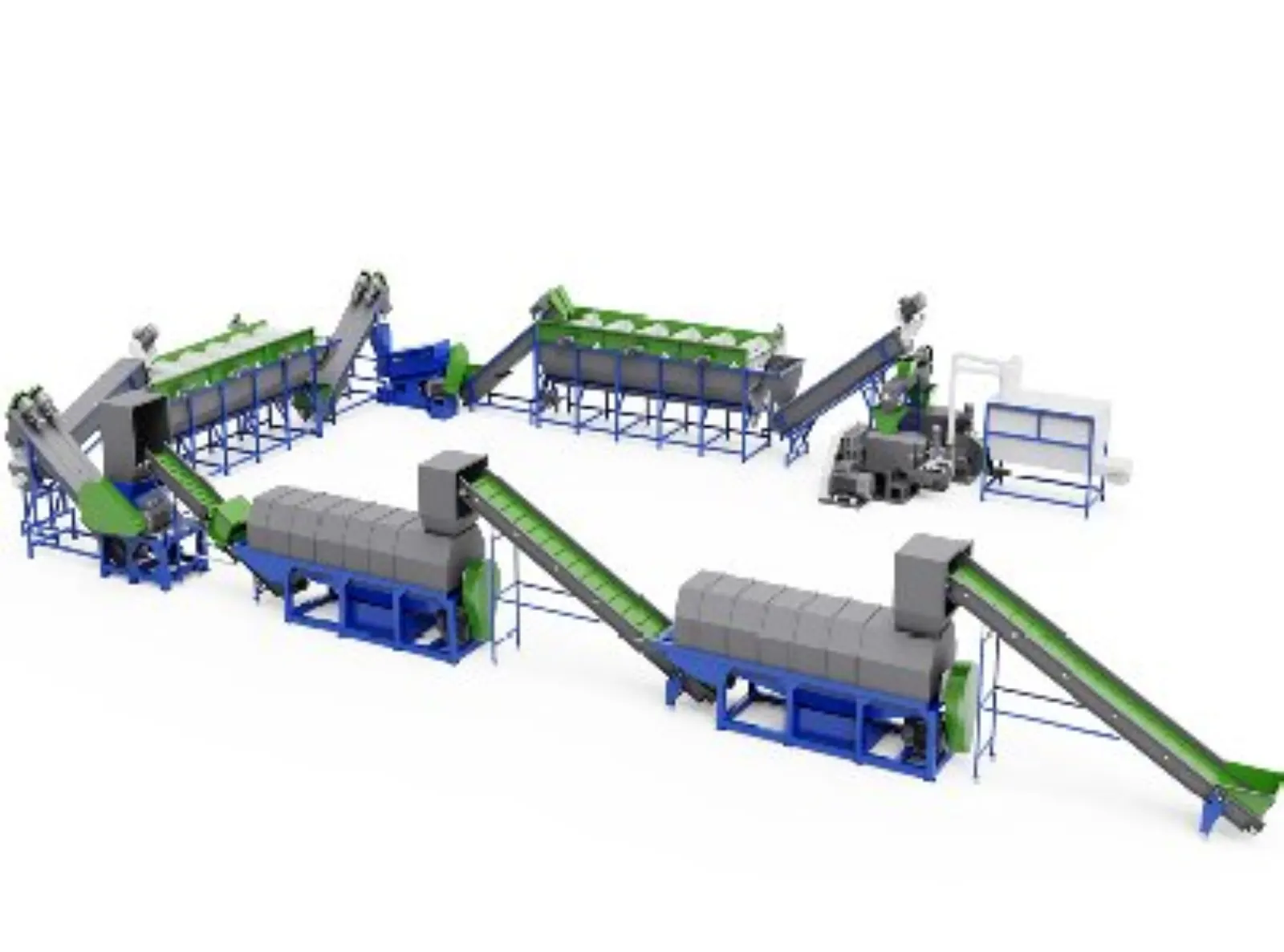
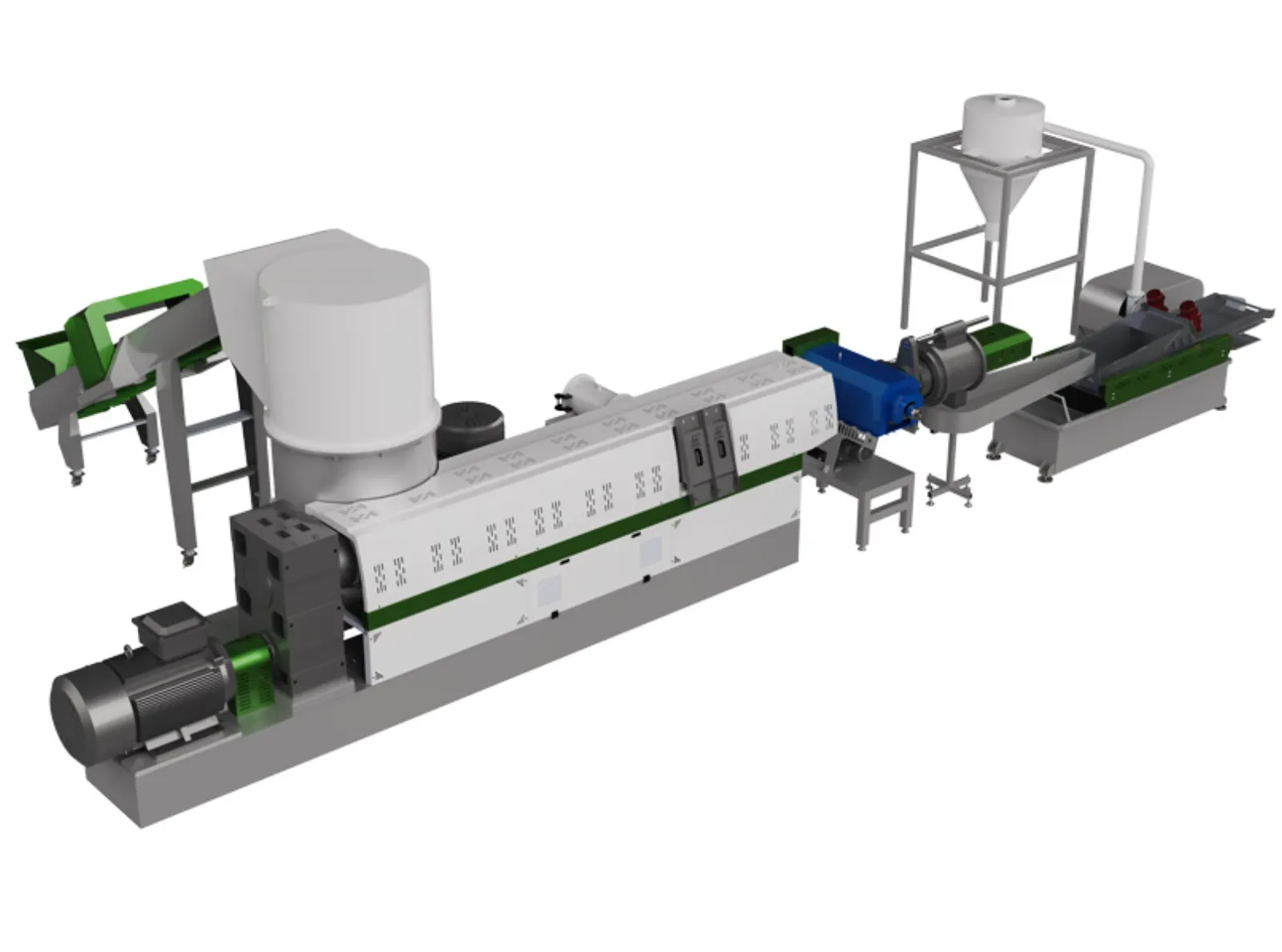
PET flakes pelletizing machines operate under demanding conditions, processing recycled materials that may still contain dust, moisture, and small contaminants. Over time, these factors can affect machine performance, pellet quality, and energy consumption. A well-planned maintenance program helps prevent unexpected downtime, reduces repair costs, and ensures consistent pellet production.
Regular maintenance not only extends the service life of critical components such as the screw, barrel, and pelletizer but also improves operational efficiency. Recycling companies that prioritize preventive maintenance often experience higher productivity and lower overall operating costs.
Keep the Feeding and Extrusion System in Good Condition
The feeding system and extruder are the core components of any PET flakes pelletizing line. Stable material feeding is essential for maintaining consistent melt pressure and pellet quality. Operators should inspect feed hoppers, conveyors, and force feeders daily to ensure that PET flakes flow smoothly into the extruder.
The extruder screw and barrel require particular attention because they are exposed to continuous friction and high temperatures. Abrasive contaminants in recycled PET can gradually wear these components, leading to lower output and increased energy consumption. Periodic inspection of screw flights, barrel surfaces, and screw clearance can help identify wear before it affects production.
Process parameters should also be monitored regularly. Sudden fluctuations in melt pressure, motor load, or output often indicate developing issues that require immediate attention.
Maintain Filtration and Degassing Performance
Effective filtration is critical for producing high-quality PET pellets. The screen changer removes contaminants from the molten plastic before pellet formation. As screens become clogged, melt pressure rises and production efficiency decreases. Replacing filter screens at appropriate intervals helps maintain stable operation and protects downstream equipment.
Many PET pelletizing systems also incorporate vacuum degassing units to remove moisture and volatile substances from the melt. Poor vacuum performance can lead to bubbles, discoloration, or reduced pellet quality. Regular cleaning of vacuum filters, condensers, and pipelines helps maintain efficient degassing performance and ensures consistent product quality.
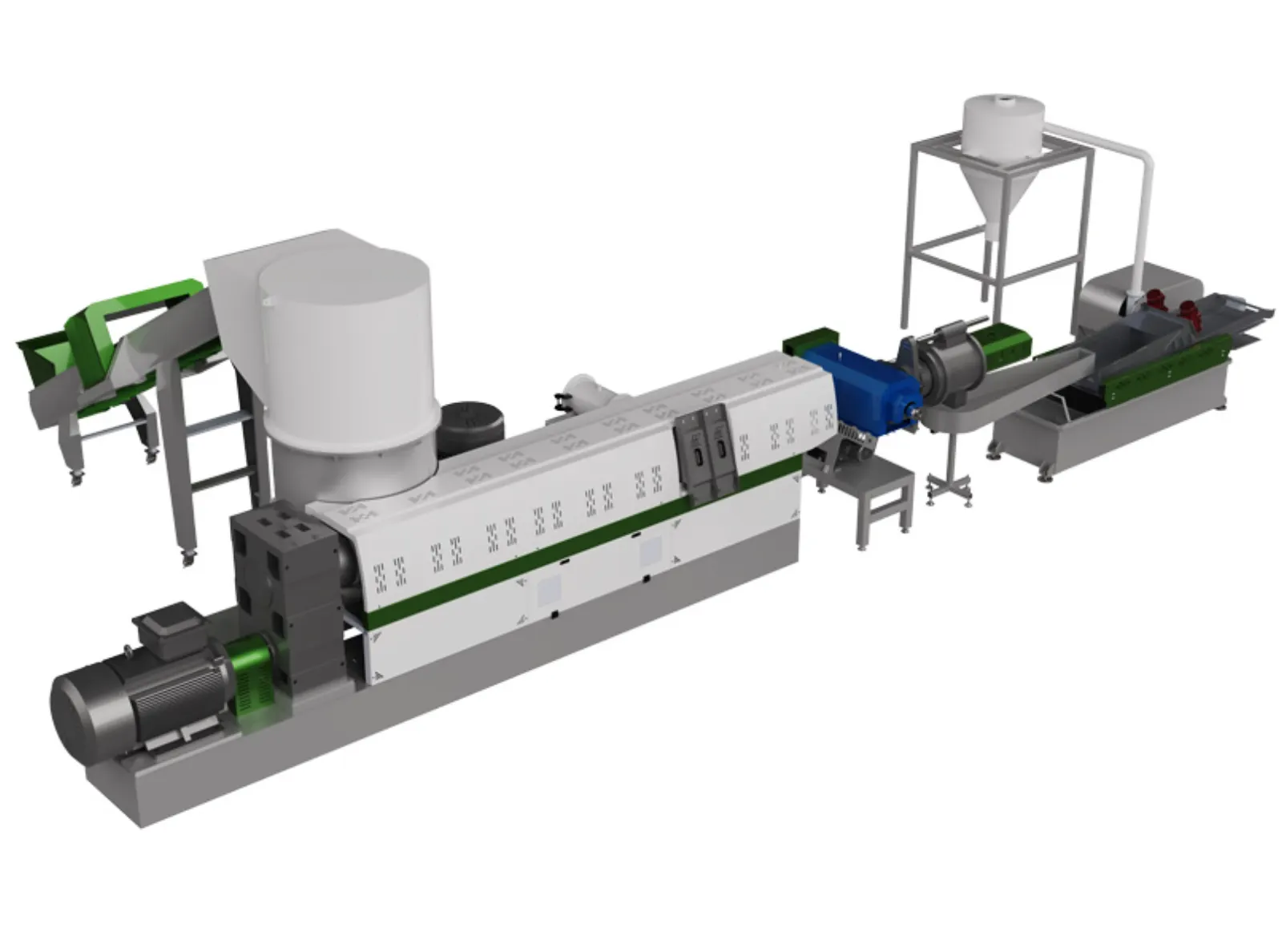
Pay Attention to Heating, Cooling, and Pelletizing Components
Temperature control plays a major role in PET processing. Heater bands, thermocouples, and temperature sensors should be inspected regularly to ensure accurate temperature regulation. Faulty heating components can cause uneven melting, material degradation, and poor pellet quality.
Cooling systems are equally important. Heat exchangers, water pumps, cooling tanks, and pipelines should be cleaned periodically to prevent scale buildup and maintain efficient heat transfer. Using clean, properly treated cooling water can significantly reduce maintenance requirements.
The pelletizer itself should not be overlooked. Cutting blades gradually become dull during operation, resulting in irregular pellet shapes and excessive fines. Routine inspection and replacement of worn blades help maintain uniform pellet size and improve overall product appearance.
Electrical and Lubrication Maintenance
A reliable electrical system is essential for uninterrupted production. Loose wiring, damaged cables, or faulty sensors can cause unexpected shutdowns and safety risks. Electrical panels should be kept clean, and all connections should be checked regularly.
Proper lubrication is another key aspect of maintenance. Bearings, gearboxes, motors, and drive components require lubrication according to manufacturer recommendations. Using the correct lubricant and maintaining proper lubrication intervals can significantly reduce wear and extend component life. Periodic oil analysis may also help identify potential mechanical issues before they lead to equipment failure.
Build a Preventive Maintenance Program
Rather than waiting for equipment problems to occur, recycling plants should establish a structured preventive maintenance schedule. Daily inspections, weekly cleaning tasks, monthly component checks, and annual overhauls help ensure that the entire pelletizing line remains in optimal condition.
Maintenance records should be documented and reviewed regularly. Tracking equipment performance over time allows operators to identify recurring issues, optimize maintenance intervals, and make informed decisions regarding component replacement.
Conclusion
Proper maintenance is one of the most effective ways to maximize the performance and lifespan of a PET flakes pelletizing machine. By focusing on key areas such as the extrusion system, filtration equipment, degassing units, temperature control components, and electrical systems, recycling facilities can significantly reduce downtime and maintain stable pellet quality.
A proactive maintenance strategy not only protects equipment investment but also improves production efficiency, lowers operating costs, and supports the long-term success of PET recycling operations.
This article is carried over from the Retech technical archive and keeps its original URL.
ABOUT THIS UPDATE
Published by Retech Marketing & Communications Team
The Retech Marketing & Communications Team publishes official company news, exhibition information, factory updates, project milestones and product announcements.
For technical questions about plastic recycling systems, please contact our engineering team.