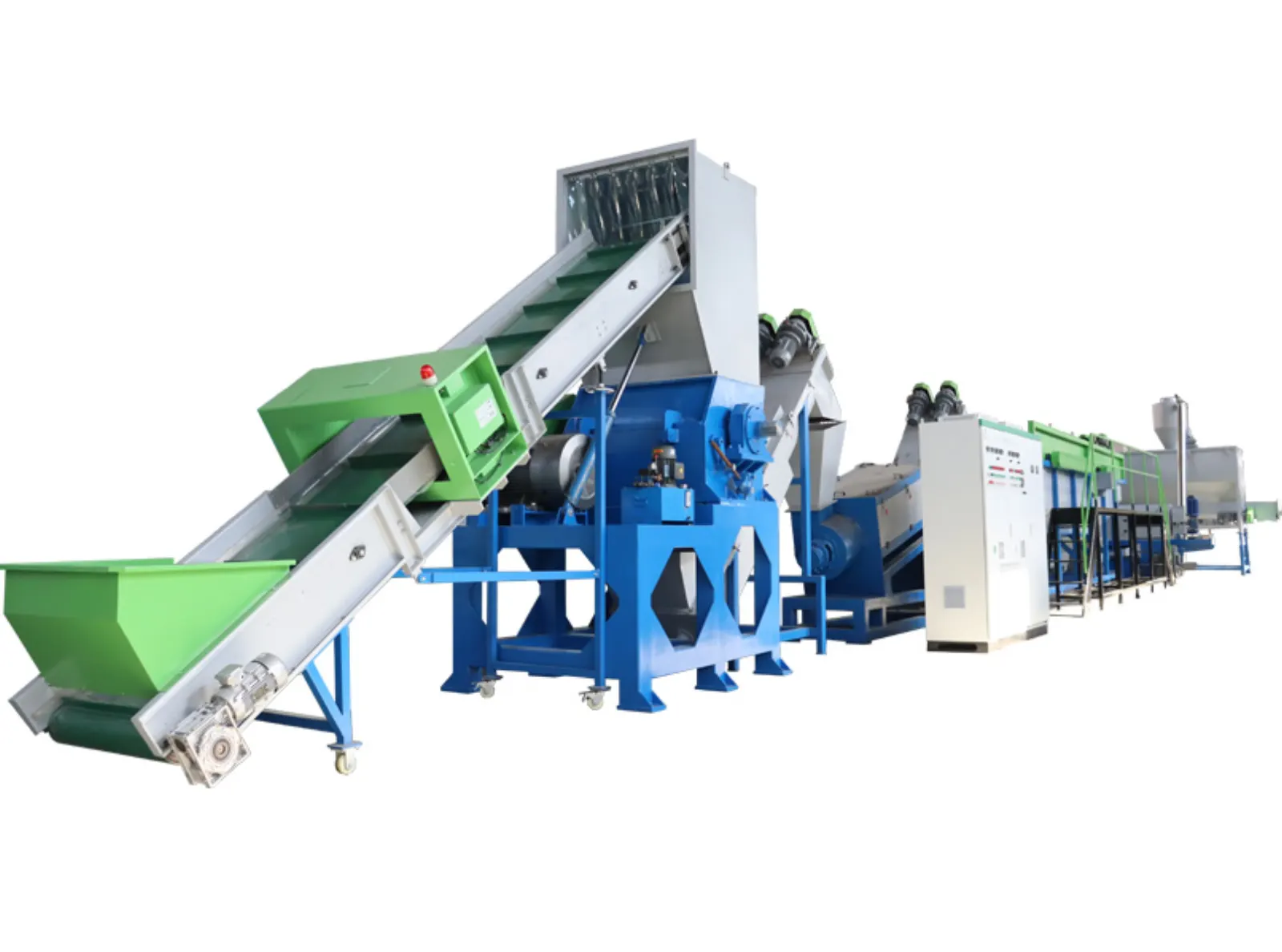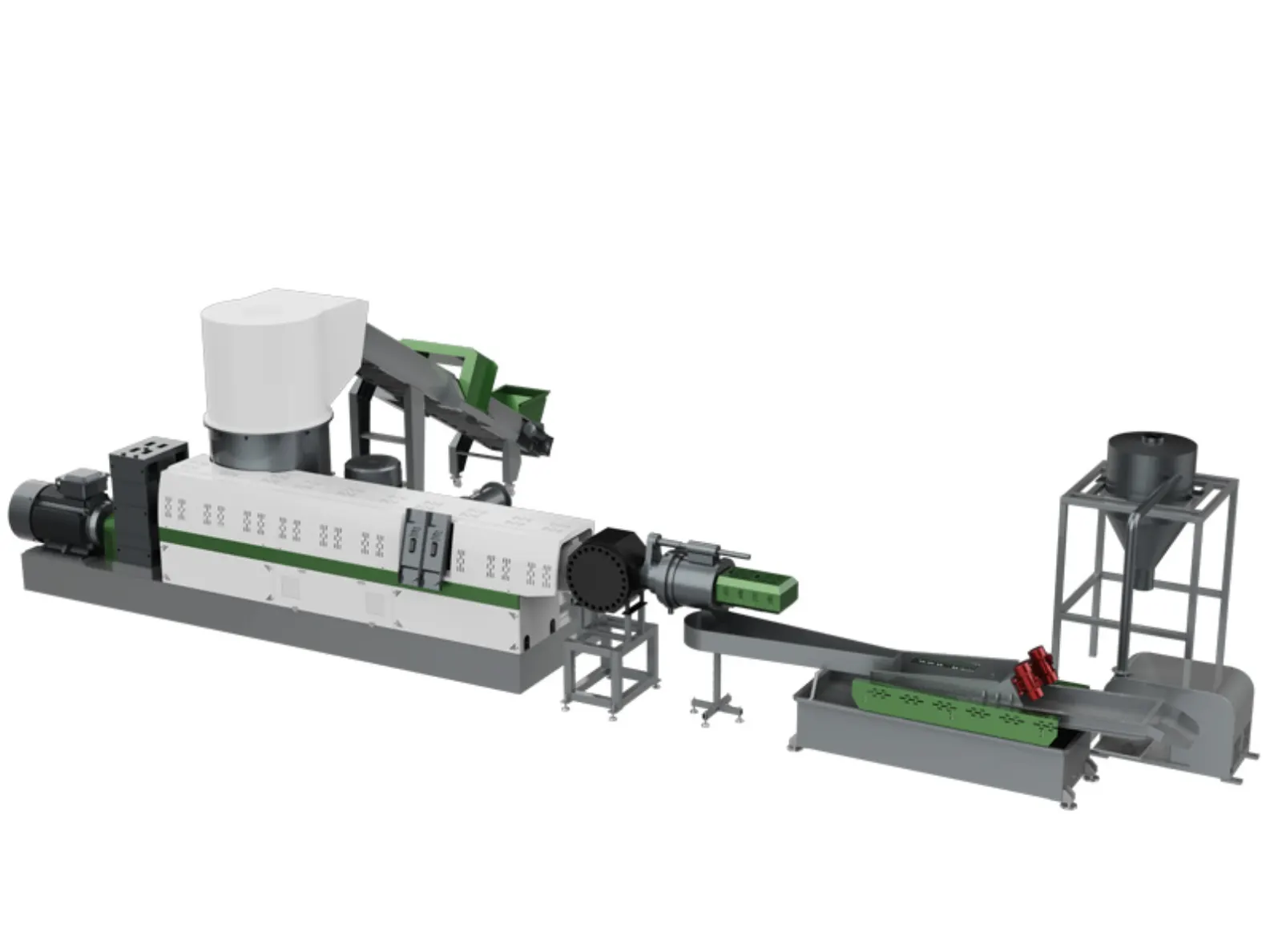
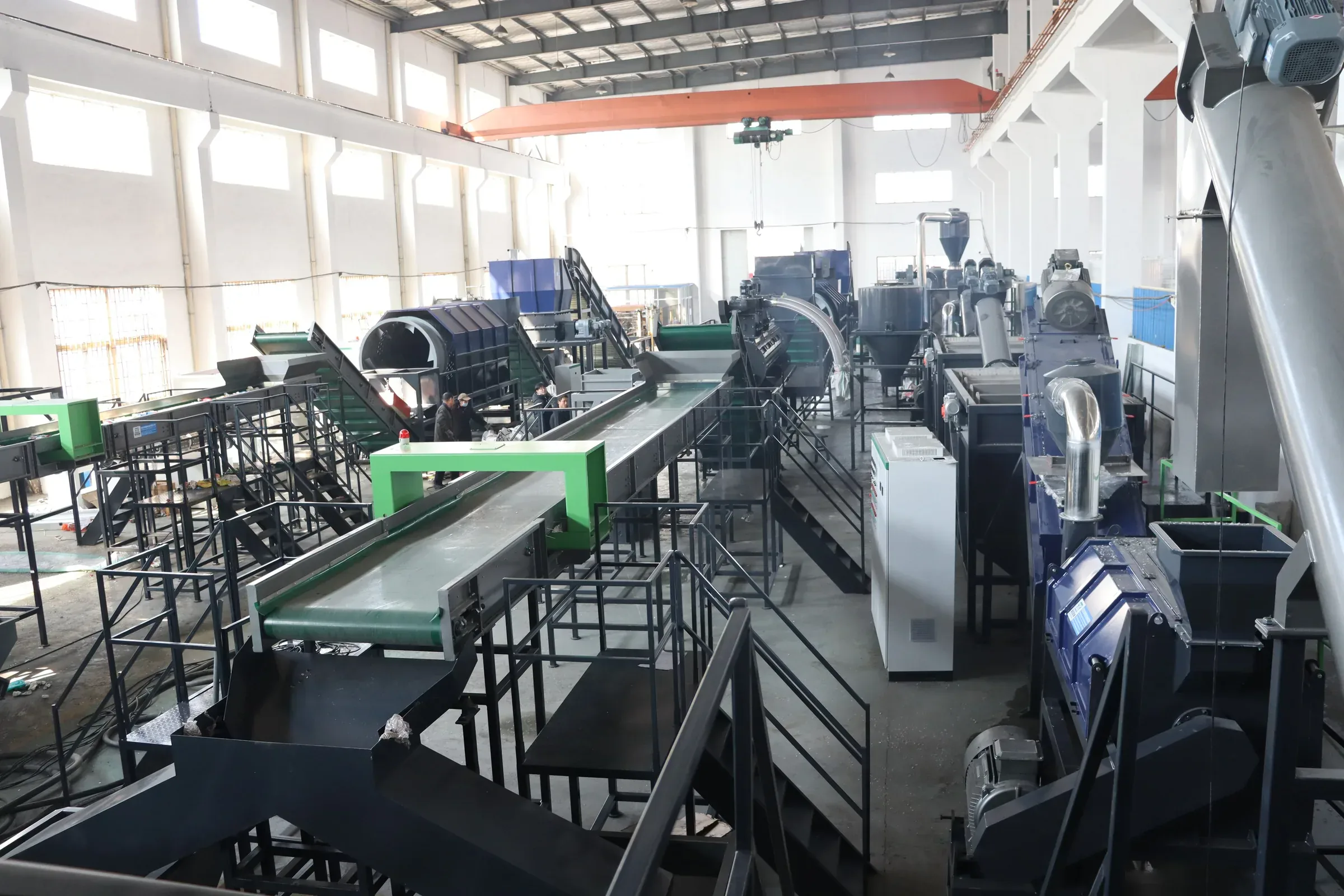
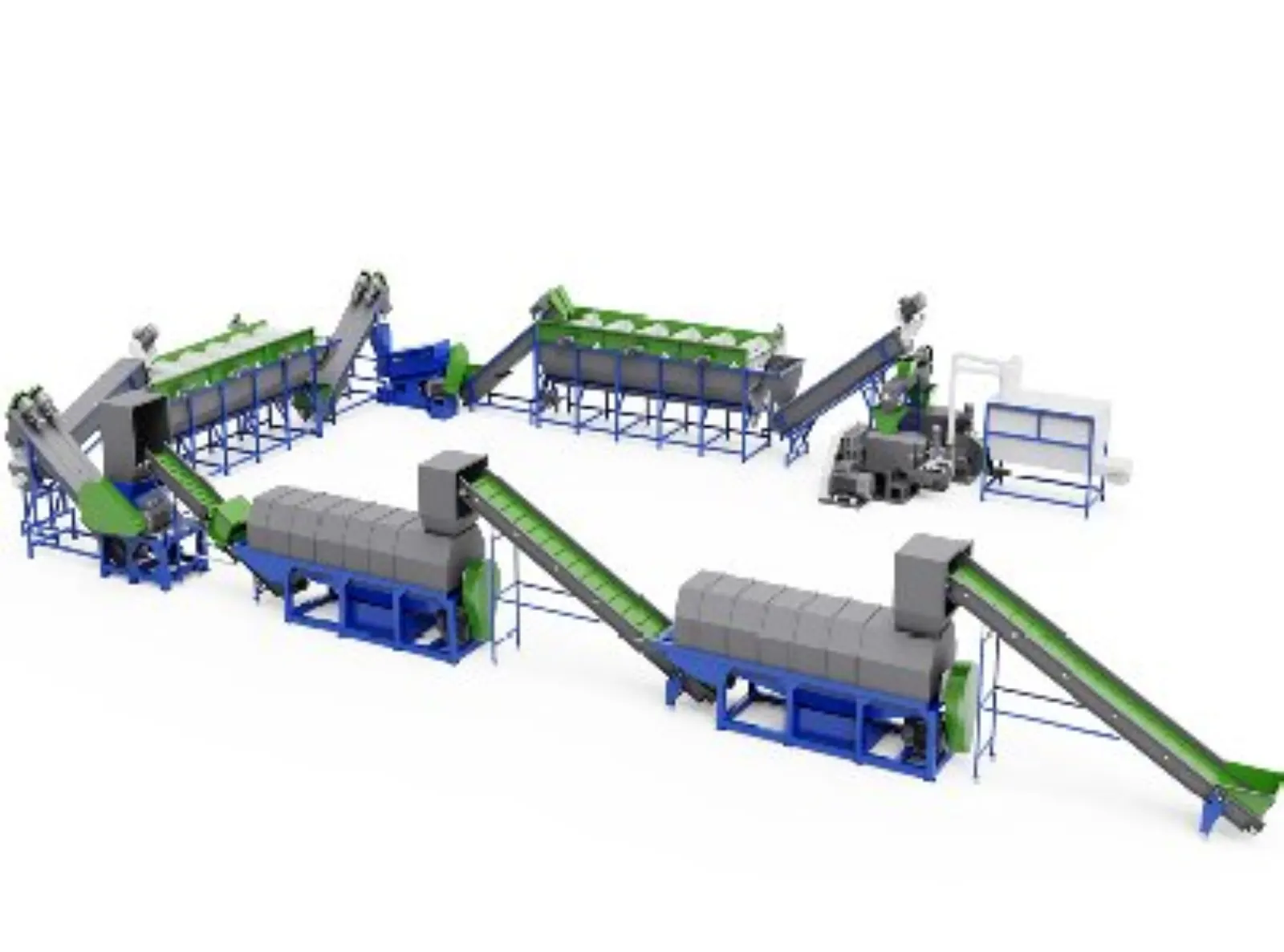
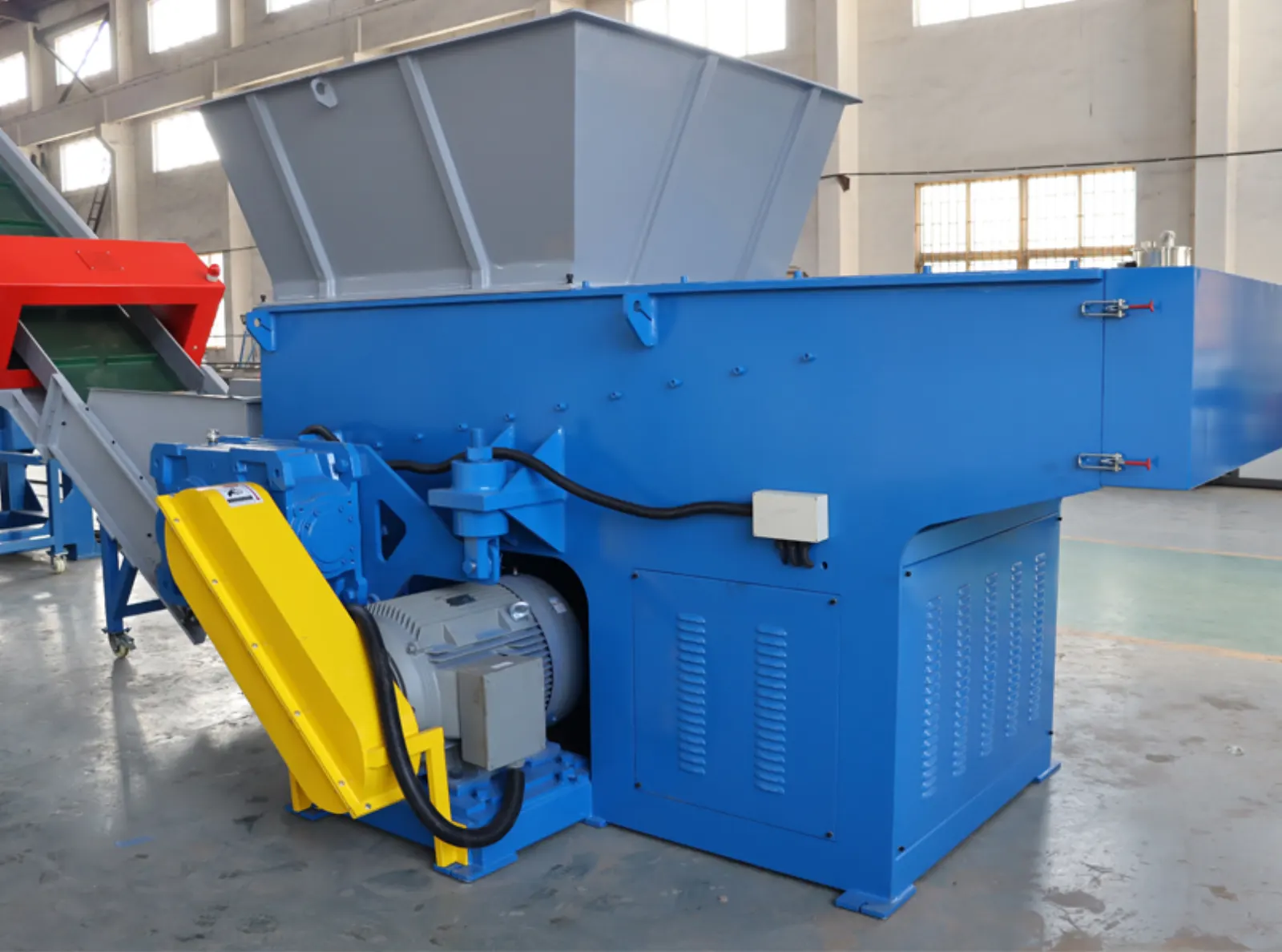
As the demand for recycled PET materials continues to grow worldwide, PET flakes pelletizing machines have become a critical part of modern plastic recycling operations. These machines transform washed PET bottle flakes into uniform pellets that can be reused in the production of packaging materials, fibers, sheets, and various industrial products.
When investing in a PET pelletizing line, one of the most important decisions is choosing between a single-screw and a twin-screw pelletizing machine. Both technologies are widely used in the recycling industry, but they differ significantly in design, performance, cost, and application suitability. Understanding these differences can help recyclers select equipment that aligns with their production goals and material requirements.
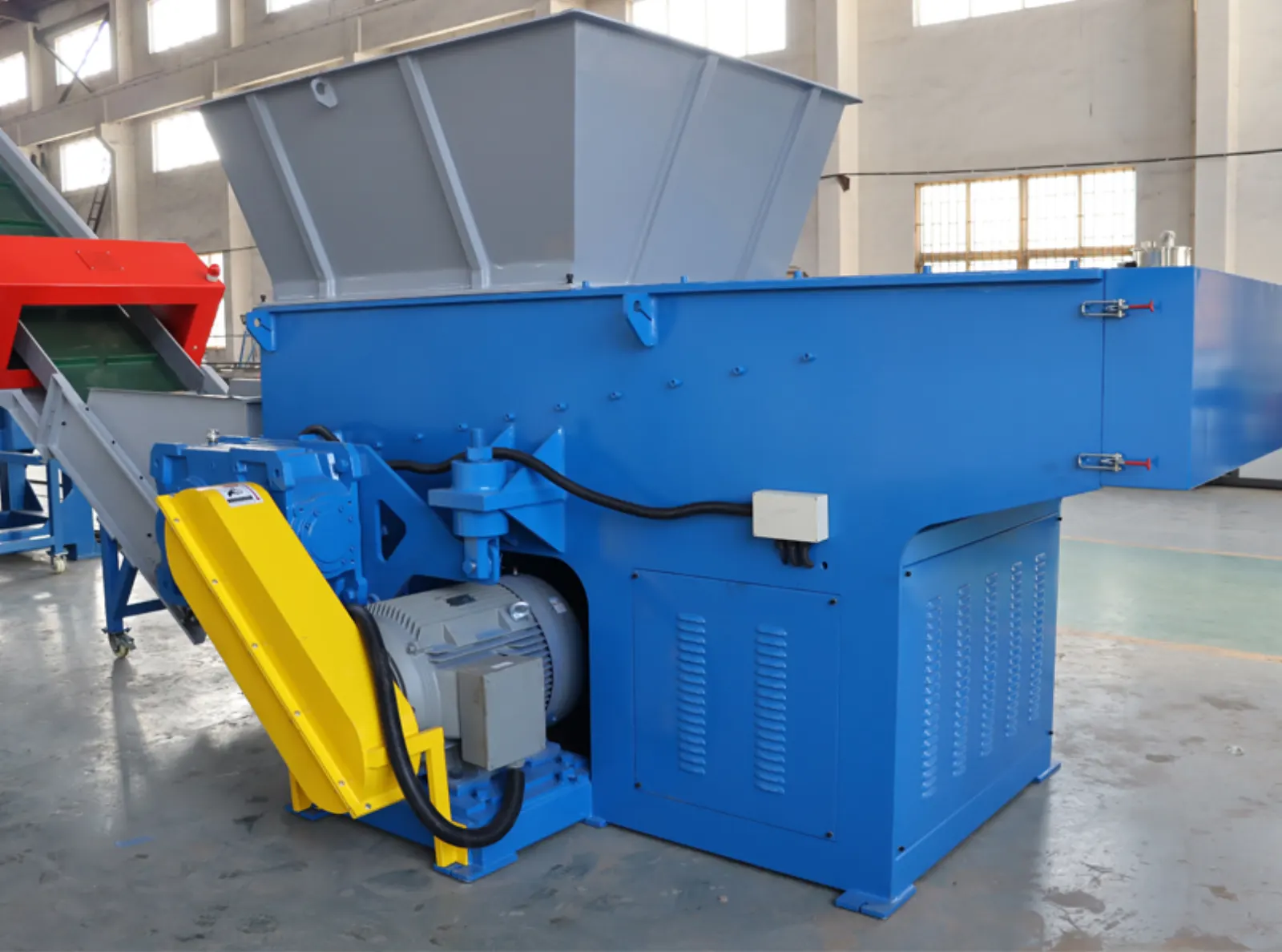
Understanding the Two Technologies
A single-screw PET flakes pelletizing machine uses one rotating screw inside a heated barrel to convey, melt, and extrude PET flakes. This technology has been used for decades and remains a popular choice because of its straightforward design and reliable operation.
A twin-screw PET flakes pelletizing machine, on the other hand, utilizes two intermeshing screws that rotate together inside the barrel. The interaction between the screws creates stronger mixing, better material distribution, and enhanced processing capabilities.
Although both systems perform the same basic function—converting PET flakes into pellets—their processing characteristics are quite different.
Material Feeding and Processing Performance
One of the primary differences between single-screw and twin-screw machines lies in how they handle material.
Single-screw extruders rely largely on friction between the PET flakes and the barrel wall to move material forward. When processing clean and consistent PET flakes, this system works effectively and provides stable output. However, if the feedstock contains variations in size, shape, or bulk density, feeding efficiency may be affected.
Twin-screw machines offer a more positive conveying mechanism. The intermeshing screws actively transport material through the barrel, resulting in more stable feeding and better control over the processing conditions. This makes twin-screw systems particularly suitable for recycling operations that handle a wider range of PET materials.
The enhanced feeding capability also allows twin-screw machines to maintain more consistent throughput, especially during long production runs.
Mixing and Melt Quality
Mixing performance is often considered the biggest advantage of twin-screw technology.
In a single-screw extruder, melting and mixing occur simultaneously as the material moves through the barrel. While this is sufficient for many standard recycling applications, the level of mixing is relatively limited.
Twin-screw extruders generate intensive mixing through the interaction of the two screws. This continuous kneading and shearing action creates a more homogeneous melt, ensuring that temperature, viscosity, and material composition remain consistent throughout the process.
This becomes especially important when processors need to:
Blend recycled and virgin PET materials
Add color masterbatch
Incorporate stabilizers or additives
Produce higher-quality pellets with strict specifications
The result is often better pellet consistency, improved appearance, and more stable downstream processing performance.
Degassing and Moisture Removal
PET is highly sensitive to moisture. Even small amounts of residual water can cause hydrolysis during melting, reducing molecular weight and negatively affecting the quality of the final product.
For this reason, efficient degassing is essential in any PET pelletizing process.
Single-screw machines can be equipped with vacuum degassing systems that remove moisture and volatile substances from the melt. These systems perform well when the incoming material has been properly dried.
However, twin-screw machines generally provide superior degassing performance. The constant renewal of the melt surface inside the barrel creates more opportunities for moisture and gases to escape. This allows for more efficient removal of contaminants and helps maintain the intrinsic viscosity of the PET material.
For applications requiring high-quality recycled PET pellets, improved degassing can be a significant advantage.
Production Capacity and Energy Consumption
Both machine types are capable of achieving high production outputs, but their efficiency differs depending on the application.
Single-screw pelletizing machines are often favored for their lower energy consumption and simpler operating principles. They provide excellent productivity when processing relatively clean PET flakes and are widely used in standard bottle-to-pellet recycling lines.
Twin-screw systems generally offer greater processing flexibility and can handle more demanding materials. Their higher mixing efficiency often translates into increased throughput, although this may come with higher power consumption.
In many cases, the overall production economics depend not only on energy usage but also on pellet quality, material utilization, and production stability. Therefore, evaluating cost per ton of finished pellets is often more meaningful than comparing electricity consumption alone.
Maintenance and Investment Costs
Equipment cost and maintenance requirements are major considerations for recycling companies.
Single-screw PET pelletizing machines have a simpler structure with fewer moving components. This typically results in:
Lower initial investment
Easier operation
Reduced maintenance costs
Faster access to spare parts
Shorter training periods for operators
These advantages make single-screw systems particularly attractive for small and medium-sized recycling facilities.
Twin-screw machines involve more complex screw configurations, gearboxes, and control systems. As a result, they generally require a higher upfront investment and more specialized maintenance. However, many recyclers consider the additional cost worthwhile because of the improved processing performance and higher pellet quality.
Which Machine Is the Better Choice?
The choice between a single-screw and twin-screw PET flakes pelletizing machine ultimately depends on production requirements.
A single-screw system is often the best option for recyclers processing clean PET bottle flakes and seeking a cost-effective, reliable solution. It offers excellent performance for standard recycling applications while keeping investment and operating costs under control.
A twin-screw system is generally better suited for operations that require advanced material processing, intensive mixing, enhanced degassing, or the addition of various additives. Companies targeting higher-value recycled PET products may benefit from the superior process control and melt quality offered by twin-screw technology.
Rather than viewing one technology as universally superior, it is more accurate to consider them as solutions designed for different production objectives.
Conclusion
Both single-screw and twin-screw PET flakes pelletizing machines play important roles in the PET recycling industry. Single-screw systems are valued for their simplicity, reliability, and cost efficiency, while twin-screw systems excel in mixing performance, material homogenization, and processing flexibility.
When selecting equipment, recyclers should carefully evaluate factors such as raw material quality, production capacity, pellet specifications, budget, and long-term business goals. By matching the machine to the specific needs of the recycling operation, companies can maximize productivity, improve pellet quality, and achieve stronger competitiveness in the growing recycled PET market.
This article is carried over from the Retech technical archive and keeps its original URL.
ABOUT THIS UPDATE
Published by Retech Marketing & Communications Team
The Retech Marketing & Communications Team publishes official company news, exhibition information, factory updates, project milestones and product announcements.
For technical questions about plastic recycling systems, please contact our engineering team.