
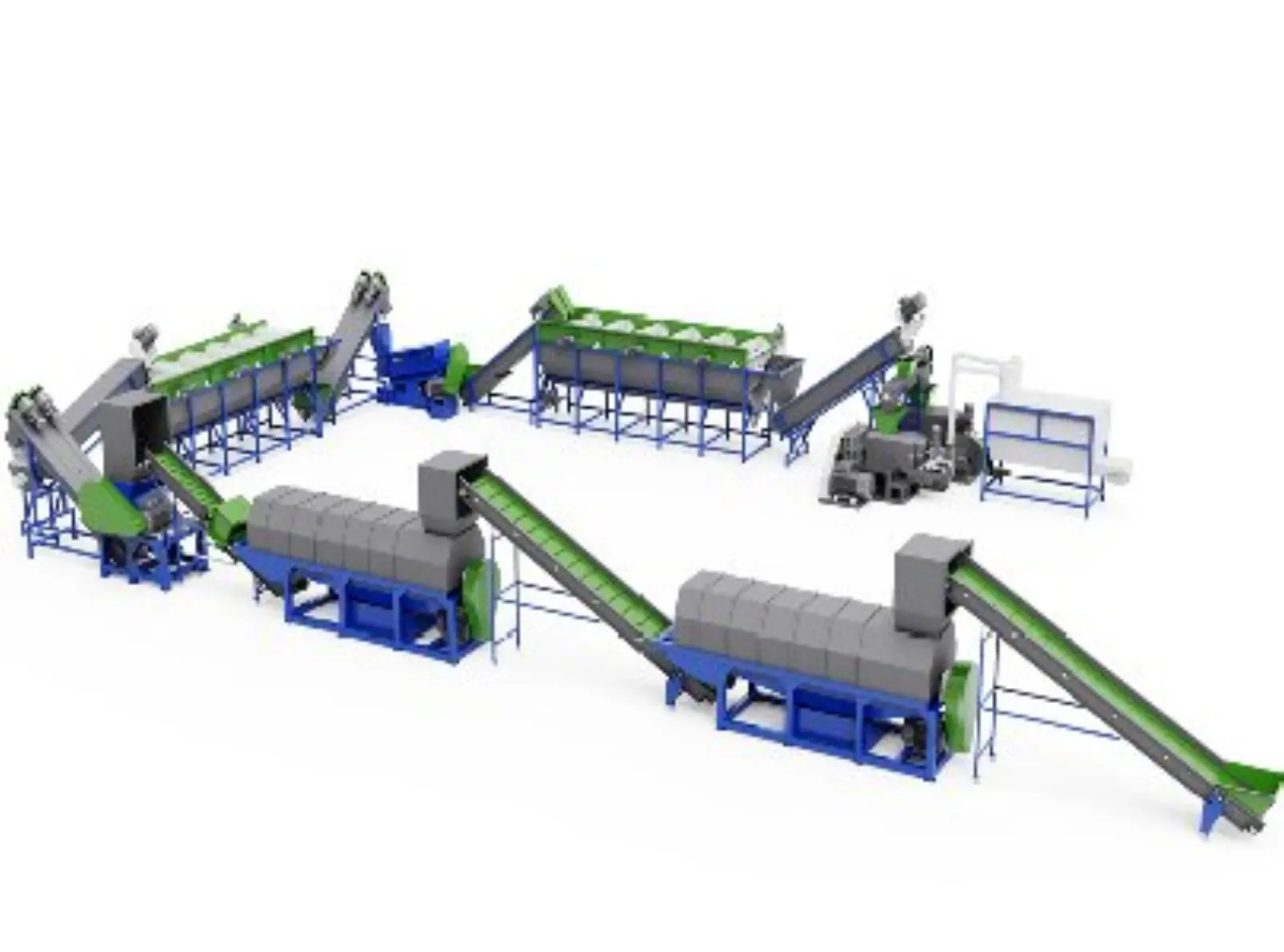
A PET bottle washing line is a long-term capital investment. The configuration you choose determines your output quality, operating cost, and the markets you can sell into for the life of the equipment. The challenge is that "capacity" and "configuration" mean different things to different suppliers.
The selection process follows five steps in sequence:
- Define your target market: fiber, food-grade, or bottle-to-bottle.
- Assess your feedstock: contamination level, color mix, and moisture.
- Calculate the design input that matches your required saleable output.
- Choose between cold washing and hot washing.
- Check utilities and site conditions, then prepare the request for quotation.
This guide walks through each step, with the parameters and checklists you need to make the decision.
What Does "Capacity" Mean for a PET Bottle Washing Line?
Capacity is not a single number. Suppliers use the term to describe at least five different figures, and only one of them tells you what the plant can actually sell. Saleable output is the mass of dry PET flake that meets your buyer's written specification, and it is the only capacity figure that matters for project planning.
The five capacity terms have distinct meanings, and mixing them up leads to misquoted lines and missed production targets.
- Design feed rate: the mass of received PET bottle feed entering the process boundary, including moisture, liquid, caps, labels, and dirt.
- Intermediate capacity: the mass passing a named machine or stage, which may be wet or dry and may still contain contaminants.
- Saleable output: dry PET flake that meets the written buyer specification, measured by an agreed sampling and test method.
- Nameplate rate: the manufacturer rating for one machine under stated conditions, which adjacent stages may not support.
- Scheduled output: saleable production over a planned shift, day, or year, after accounting for availability, cleaning, and changeover.
When you request a quotation, ask the supplier to state both the design feed rate and the guaranteed saleable output, together with the assumed feedstock composition and output specification. A line sized on clean-bottle assumptions can miss its output target when it receives wet bales containing caps, labels, liquid, dirt, and non-PET items.
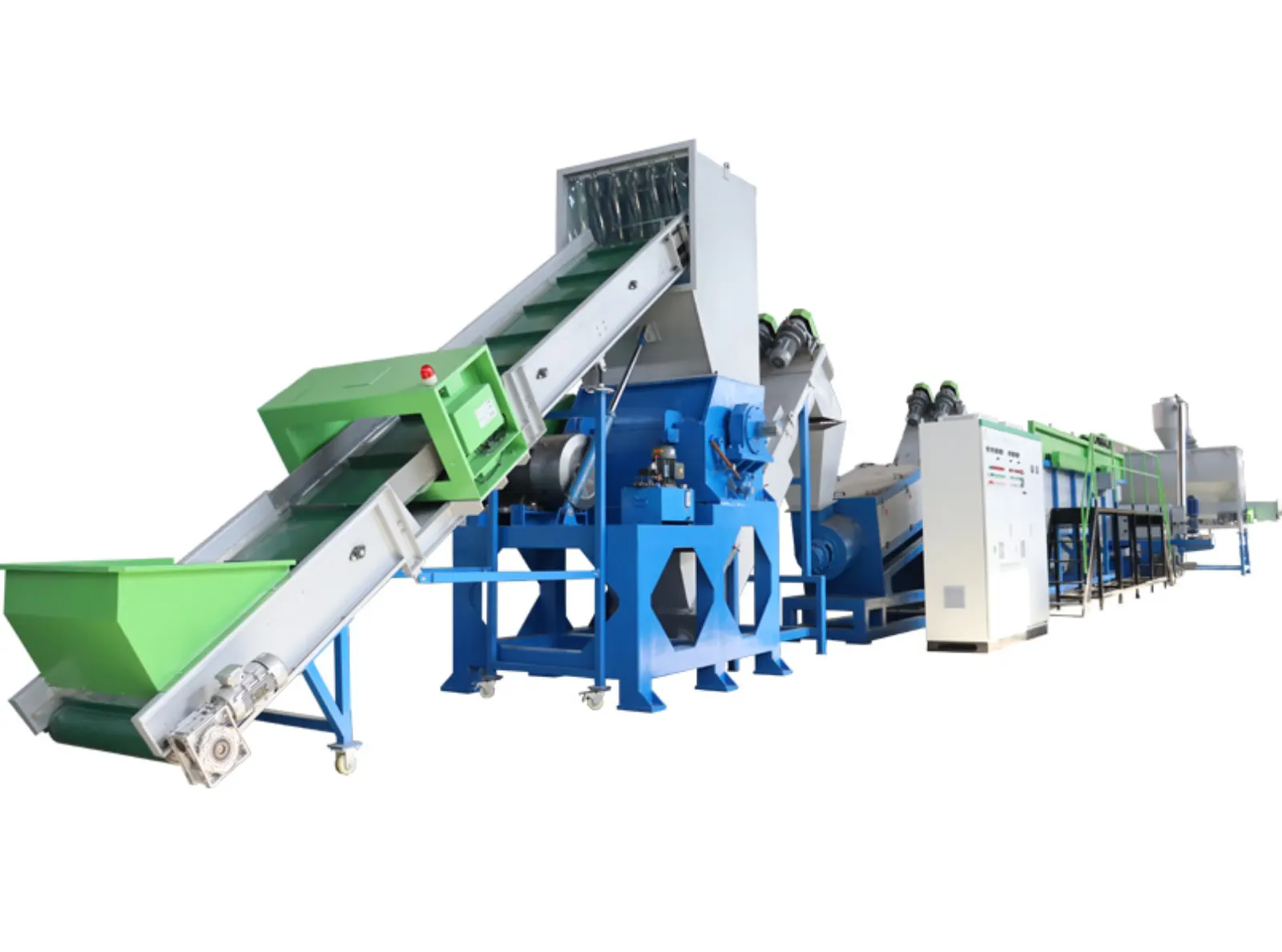
Retech's PET bottle washing line covers standard capacities of 1,000, 3,000, and 5,000 kg/h (RM-1000, RM-3000, RM-5000), with customization available from 500 to 6,000 kg/h. These figures refer to line capacity. The guaranteed saleable output depends on the feedstock and output specification agreed for each project.
How Do You Assess PET Bottle Feedstock?
Collect representative samples across suppliers, seasons, and collection systems, then measure composition by weight before comparing equipment configurations. Feedstock composition determines the equipment configuration, not the other way around.
Measure the following:
- PET bottle content by weight
- Caps and rings
- Labels and sleeve material
- Non-PET containers, including PVC and HDPE
- Metals
- Fines and dirt
- Retained liquid and moisture
- Color and opaque PET, recorded separately if your buyer requires a specific flake stream
Bale composition affects both mass balance and equipment load. Two tonnes of incoming bales do not necessarily produce two tonnes of PET flake. The difference is water removed from wet material plus contaminants rejected from the line. A lower output mass can reflect correct removal of dirt and non-PET material rather than poor recovery.
Feedstock contamination also determines whether you need hot washing. Lightly soiled bottles from a deposit return scheme may run on a cold washing line. Heavily contaminated bales with oil, adhesive residue, and mixed colors may require hot washing, chemical dosing, and additional rinsing stages.
How Do You Calculate Required Capacity?
Use the formula below, with your own measured yield and availability figures:
Required design input = target saleable output ÷ saleable yield ÷ planned availability
For example, suppose the target is 800 kg of specification flake per scheduled hour, trial data shows a saleable yield of 0.75, and planned availability over the schedule is 0.85. The calculated design input is 800 ÷ 0.75 ÷ 0.85, or about 1,255 kg/h. These assumptions are for illustration only and should be replaced with your own trial and operating data.
Keep water removed from wet material and contaminants rejected from the line separate in the mass balance. A line that removes more dirt and non-PET material will show a lower output mass, but that is correct removal rather than lost recovery.
Once the design input is fixed, compare it against the capacity bands offered by suppliers. A plant processing 10,000 kg per day over 20 operating hours needs a nominal 500 kg/h line before buffer. Adding a 20 to 25 percent buffer for maintenance windows, seasonal peaks, and unplanned stoppages brings the requirement to roughly 625 kg/h. A 1,000 kg/h line would provide headroom for growth.
The table below maps typical daily throughput and target markets to reference line capacities. Treat these as starting points for discussion, not as fixed specifications.
| Daily throughput | Target market | Reference capacity | Suggested configuration |
|---|---|---|---|
| 3 to 5 tonnes | Fiber, strapping | 500 to 1,000 kg/h | Cold washing line with basic sorting |
| 8 to 12 tonnes | Fiber or non-food sheet | 1,000 to 2,000 kg/h | Cold or hot washing, depending on buyer requirement |
| 15 to 20 tonnes | Food-grade rPET | 2,000 to 3,000 kg/h | Hot washing line with optical sorting |
| 20 tonnes and above | Bottle-to-bottle | 3,000 kg/h and above | Hot washing line with pelletizing and closed-loop water treatment |
How Do You Size Each Stage of the Line?
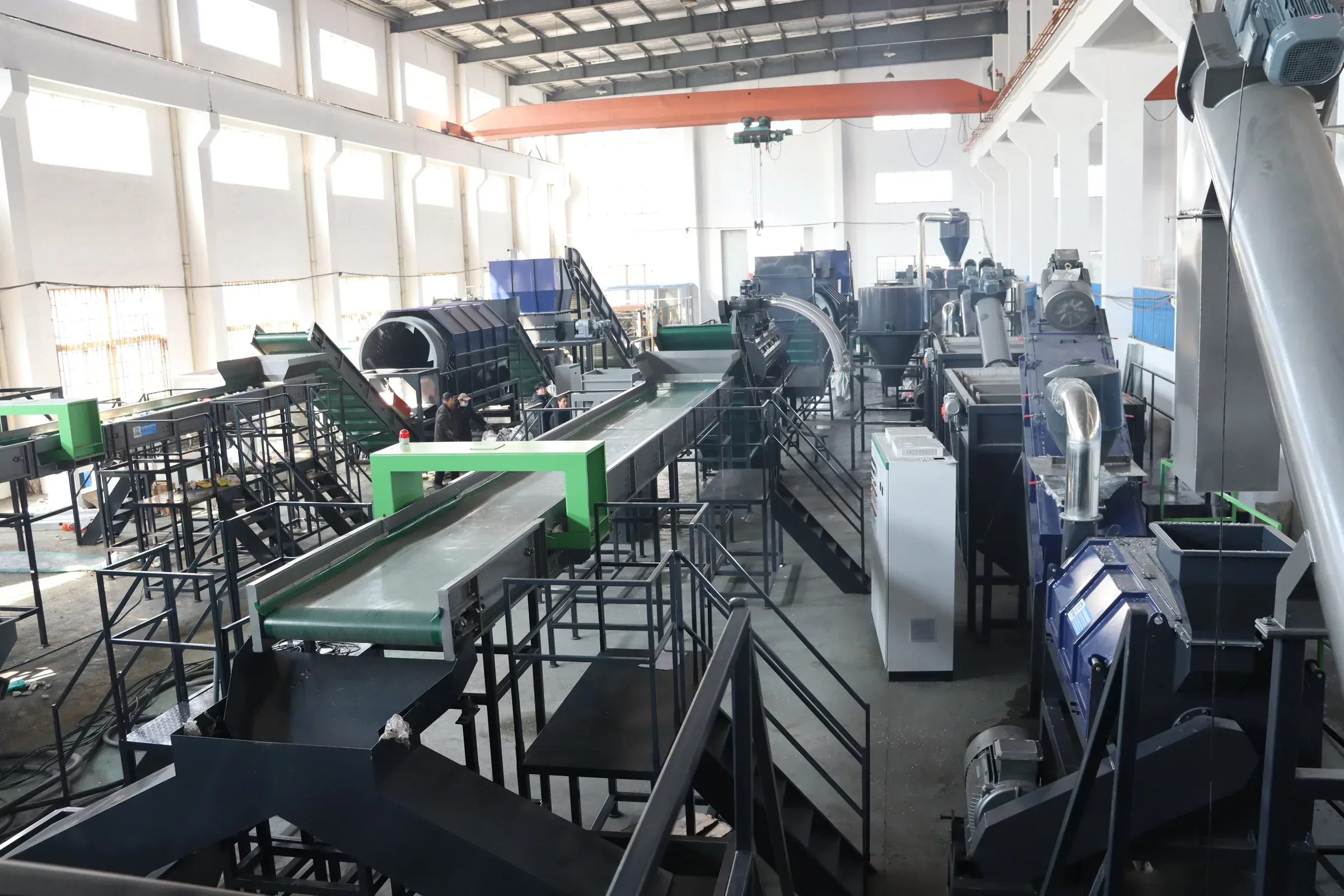
Size every stage to the same design basis, because a line cannot maintain its target output if any single stage becomes a continuous bottleneck. Sorting, label removal, granulation, hot washing, separation, drying, and bagging must all be matched to the same feed and output assumption.
Ask each supplier to state the rate, material condition, and buffer allowance at every stage. The table below lists the main stages and the most common sizing risks.
| Stage | Capacity driver | Common sizing risk |
|---|---|---|
| Bale opening and feeding | Bale form, density, delivery pattern | Surges that overload sorting and size reduction |
| Sorting | Contaminant rate, item presentation, required purity | Using conveyor speed without checking sorter workload |
| Size reduction | Bottle geometry, blade condition, screen, feed rate | Rating the granulator on clean material only |
| Washing | Residue, adhesive, chemistry, temperature, residence time | Reducing residence time to chase throughput |
| Separation | Tank loading, flake form, skimming, reject discharge | Carrying contamination forward at peak rate |
| Drying | Incoming water, flake size, required final condition | Quoting moisture without a sampling method |
| Storage and packing | Bulk density, silo volume, bagging cycle | Allowing a full silo or slow bagging station to stop the line |
Retech's PET bottle washing line uses a sink-float tank with a residence time of 3 to 8 minutes, adjustable for separation effect. The hot washing stage operates at 80°C to 95°C with a caustic soda dosage of 0.3 to 1.5 percent, depending on contamination level.
Cold Washing vs Hot Washing: Which Do You Need?
Choose hot washing for food-grade and bottle-to-bottle rPET, and cold washing for fiber, strapping, or non-food rigid packaging. The choice shapes your capital cost, installed power, and the flake grades your buyers will accept. This section covers the decision criteria. A detailed comparison of washing chemistry, residence time, and operating cost is covered in our dedicated guide to cold washing vs hot washing.
Cold washing uses water at roughly 10°C to 20°C and removes loose soil and light surface residue without a heating system. It suits flakes destined for fiber, strapping, or non-food rigid packaging.
Hot washing raises wash water to 80°C to 95°C, typically with caustic soda or a food-grade detergent, and removes adhesive residues, fats, oils, and organic contamination that cold water cannot. It is the standard configuration for food-grade and bottle-to-bottle rPET.
| Parameter | Cold washing line | Hot washing line |
|---|---|---|
| Wash water temperature | 10°C to 20°C | 80°C to 95°C |
| Chemical dosing | Not required | Caustic soda or food-grade detergent |
| Typical output grade | Fiber, strapping, non-food packaging | Food-grade rPET, bottle-to-bottle |
| Installed power | Lower | Higher, because heating adds load |
| Capital cost | Lower | Higher than a cold line |
The decision rule is straightforward. If your downstream buyer requires food-grade rPET, hot washing is the minimum configuration. If your target market is fiber, strapping, or non-food thermoforming, a cold washing line keeps capital and operating costs lower. Retrofitting a cold line to hot washing later costs more than specifying hot washing at initial purchase.
How Do You Match Washing Stages to Output Quality?
Select washing stages against the output specification your buyer requires, not against a generic "clean flake" target. Cold washing may suit relatively clean material for a defined industrial outlet. Feedstock with difficult adhesive, oil, or product residue may need controlled hot washing, chemical dosing, and additional rinsing.
Food-contact suitability cannot be established by hot washing alone. It requires source control, a validated recycling process, testing, and jurisdiction-specific regulatory assessment. Define the intended market before requesting a line configuration rather than adding a "food-grade" label to a generic output target.
The table below lists industry reference values for output parameters. Confirm the exact limits with your downstream buyer before writing them into the line specification.
| Parameter | Food-grade reference | Standard reference |
|---|---|---|
| Moisture content | Below 1 percent | Below 1 percent |
| PVC content | Below 30 ppm | Below 100 ppm |
| Label contamination | Below 15 ppm | Below 15 ppm |
| Residual glue | Below 10 ppm | Below 10 ppm |
| PP and PE content | Below 15 ppm | Below 15 ppm |
| Metal content | Below 10 ppm | Below 20 ppm |
| Total impurity | Below 100 to 250 ppm | Below 250 ppm |
| Flake size | 8 to 16 mm, adjustable | 8 to 16 mm, adjustable |
Retech's PET bottle washing line produces dried flake with a final moisture content of 1 to 2 percent. Flake size is adjustable through the crusher screen configuration.
What Utilities Does a PET Bottle Washing Line Need?
A PET bottle washing line needs electrical power, process water with recirculation, effluent discharge consent, compressed air, a heating source for hot washing, and sufficient ceiling clearance. Utility capacity must support simultaneous demand from every stage, because a correctly sized machine can still lose production when water pressure falls, a heater cannot maintain process temperature, or sludge handling interrupts circulation.
Request connected load and estimated operating demand separately. Confirm the following before site design begins:
- Electrical supply: installed power for the full line, plus transformer headroom. Retech's PET bottle washing line models draw 230 kW at 1,000 kg/h, 420 kW at 3,000 kg/h, and 580 kW at 5,000 kg/h.
- Fresh water and recirculation: water consumption per ton of processed PET. Retech's models consume 4 to 5 m³/h at 1,000 kg/h, 6 to 8 m³/h at 3,000 kg/h, and 8 to 10 m³/h at 5,000 kg/h, before recirculation savings.
- Effluent discharge: wash water carries dissolved adhesives, detergent residues, and fine particulates. Pre-treatment to meet local discharge limits for chemical oxygen demand, pH, and suspended solids is required in most jurisdictions.
- Compressed air: optical sorters, pneumatic conveyors, and valve actuators typically require 6 to 8 bar. Confirm the flow rate against the number of sorter ejectors installed.
- Heating source for hot washing: steam or electric heating adds to the civil scope. If steam is used, pressure-rated pipework and a condensate return system are required.
- Ceiling clearance: thermal dryers and storage silos often require 6 to 8 m of clear internal height. Verify this dimension before signing a lease or starting civil works.
Utility shortfalls discovered during commissioning cost more to fix than pre-planning them before civil works begin.
What Maintenance Does a PET Bottle Washing Line Need?
A PET bottle washing line needs routine attention on crusher blades, crusher screens, friction washer paddles, conveyor belts, spray nozzles, and bearings and drives. Wear is predictable, and the failure to plan for it is what makes downtime expensive.
The primary wear items and their diagnostic signals are:
- Crusher blades: dull blades increase motor current draw, produce irregular flake size distribution, and generate more fines. Monitor motor current at constant feed rate. A sustained upward trend signals that replacement is due. Industry reference intervals range from several hundred to several thousand operating hours, depending on feedstock abrasiveness and blade material.
- Crusher screens: deform over time and alter flake size distribution. Inspect at each planned maintenance stop.
- Friction washer paddles: wear down and reduce scrubbing intensity, which increases residual contamination on output flakes.
- Conveyor belts: inspect for edge fraying and uneven tracking. A failed belt stops the entire line.
- Spray nozzles: blocked nozzles create uneven washing zones. Flush at each shift change or after a high-contamination batch.
- Bearings and drives: lubricate per manufacturer intervals. Over-greasing damages seals as readily as under-greasing.
Schedule a comprehensive maintenance window at regular operating intervals, timed to coincide with planned feedstock gaps where possible. Stock critical consumables on site, including blades, screens, belts, and nozzles. Lead times for machined components from non-stocked suppliers can run several weeks depending on origin.
Retech's maintenance schedule for the RHDJ series recommends replacing gearbox lubricating oil after the first 600 to 1,000 hours of operation, then at regular intervals. The schedule also includes periodic inspection of the heating system, the rotating and fixed blades inside the compactor bin, and the tightness of wiring terminals inside the electrical cabinet.
What Drives the Total Cost of a PET Bottle Washing Line?
Equipment price is only one part of the total project investment. Site preparation, water treatment, electrical infrastructure, building works, and working capital for feedstock purchase during the startup period all add to the total.
When comparing quotations, ask each supplier to separate the equipment price from the scope of supply. Confirm what is included in the quotation and what is excluded. Common exclusions include civil works, electrical connection to the main panel, water treatment, installation labor, and commissioning travel costs.
Operating cost has several main variables:
- Electricity consumption, which scales with installed power and operating hours
- Water consumption and wastewater treatment
- Fuel or steam cost for hot washing
- Labor, which depends on automation level and line capacity
- Spare parts and consumables, including blades, screens, and nozzles
Request that each supplier quote the design feed rate and guaranteed saleable output for the same feedstock and output specification. Comparing a low-cost quotation for a lower-capacity configuration against a higher-cost quotation for a larger configuration is not a like-for-like comparison.
Specific price ranges and payback periods depend on regional equipment pricing, local utility costs, feedstock cost, and the selling price of clean flake in your market. These figures are confirmed per project rather than published as a fixed range. Request a project-specific quotation with your capacity target and output grade requirement.
When the budget is limited, the configuration decisions fall into three priority groups:
- Cannot be omitted: hot washing if food-grade output is the target, pre-sorting, dewatering and drying, and a spare parts stock for critical wear items.
- Can be added later: optical sorting, closed-loop water treatment, the pelletizing section, and automatic bagging.
- Depends on the project: hot wash temperature grade, caustic dosage, and the level of line automation.
This priority order helps you decide what to include in the initial purchase and what to defer to a later phase without compromising output quality.
What to Confirm Before Requesting a Quotation
A complete request for quotation prevents misquoted lines, change orders during manufacturing, and commissioning delays. Prepare the following information before contacting suppliers.
Process and output specification
- Target output grade confirmed with your downstream buyer, whether food-contact or non-food
- Required flake size range
- Moisture content at line exit
- PVC tolerance in output
- Color sorting requirement
Capacity and utilities
- Nominal capacity in kg/h, with buffer stated
- Available installed power and transformer headroom
- Fresh water supply rate and discharge consent
- Footprint constraints, including length, width, and ceiling height
- Planned operating hours and availability assumptions
Mechanical and supply chain risk
- Key wear parts availability from regional stocking distributors
- Quoted lead time for replacement blades and screens
- Control system compatibility with existing plant systems
- Factory acceptance test procedure and acceptance criteria agreed in writing
Regulatory and commercial
- Warranty duration, scope, and exclusions
- On-site commissioning support days included, travel costs, and escalation path
- For food-grade lines, regulatory authorization reference confirmed
- Installation layout options matched to your workshop dimensions
Complete this checklist before discussing price. An incomplete request for quotation leads to misquoted lines and change orders during manufacturing.
Common Mistakes to Avoid
Several avoidable mistakes appear repeatedly in PET bottle washing line projects.
- Specifying cold washing to minimize capital cost, then retrofitting hot washing later. The retrofit requires re-designing water treatment, upgrading the electrical system, and often reorganizing the factory floor. The total cost exceeds specifying hot washing from the start.
- Overlooking crusher blade maintenance. Dull blades increase energy consumption and produce inconsistent flakes. Heat generated in the cutting chamber can affect PET crystallinity and reduce product value.
- Insufficient pre-sorting. Contaminants that enter at the bale breaker travel through every downstream stage. Removing them early with pre-sorting labor or automatic sorters prevents quality problems throughout the line.
- Budgeting only for equipment. The washing line is one part of the total project investment. Site preparation, water treatment, electrical infrastructure, and working capital for feedstock purchase during startup all require budget allocation.
- Selecting solely on price without checking guarantees. Manufacturers cite different limits for acceptable PVC residue and other contaminants. Request independent lab test results from existing installations rather than relying on manufacturer statements alone.
Confirm Your PET Bottle Washing Line Configuration with Retech
Selecting a PET bottle washing line comes down to aligning three variables: your feedstock contamination profile, your output grade commitment, and your site infrastructure. The decisions you make before the request for quotation determine your operating cost and market access for the equipment's entire lifecycle.
Retech provides modular PET bottle recycling solutions covering cold washing lines for fiber and strapping markets and hot washing lines for food-grade and bottle-to-bottle applications, with standard capacities from 1,000 to 5,000 kg/h and customization available up to 6,000 kg/h.
To discuss your project, send us your feedstock composition, contamination level, throughput target, and output grade requirement. Our engineering team can prepare a capacity-based process review and a configuration matched to your site conditions.
Contact Retech to request a PET bottle washing line configuration for your project.
ABOUT THIS UPDATE
Published by Retech Marketing & Communications Team
The Retech Marketing & Communications Team publishes official company news, exhibition information, factory updates, project milestones and product announcements.
For technical questions about plastic recycling systems, please contact our engineering team.