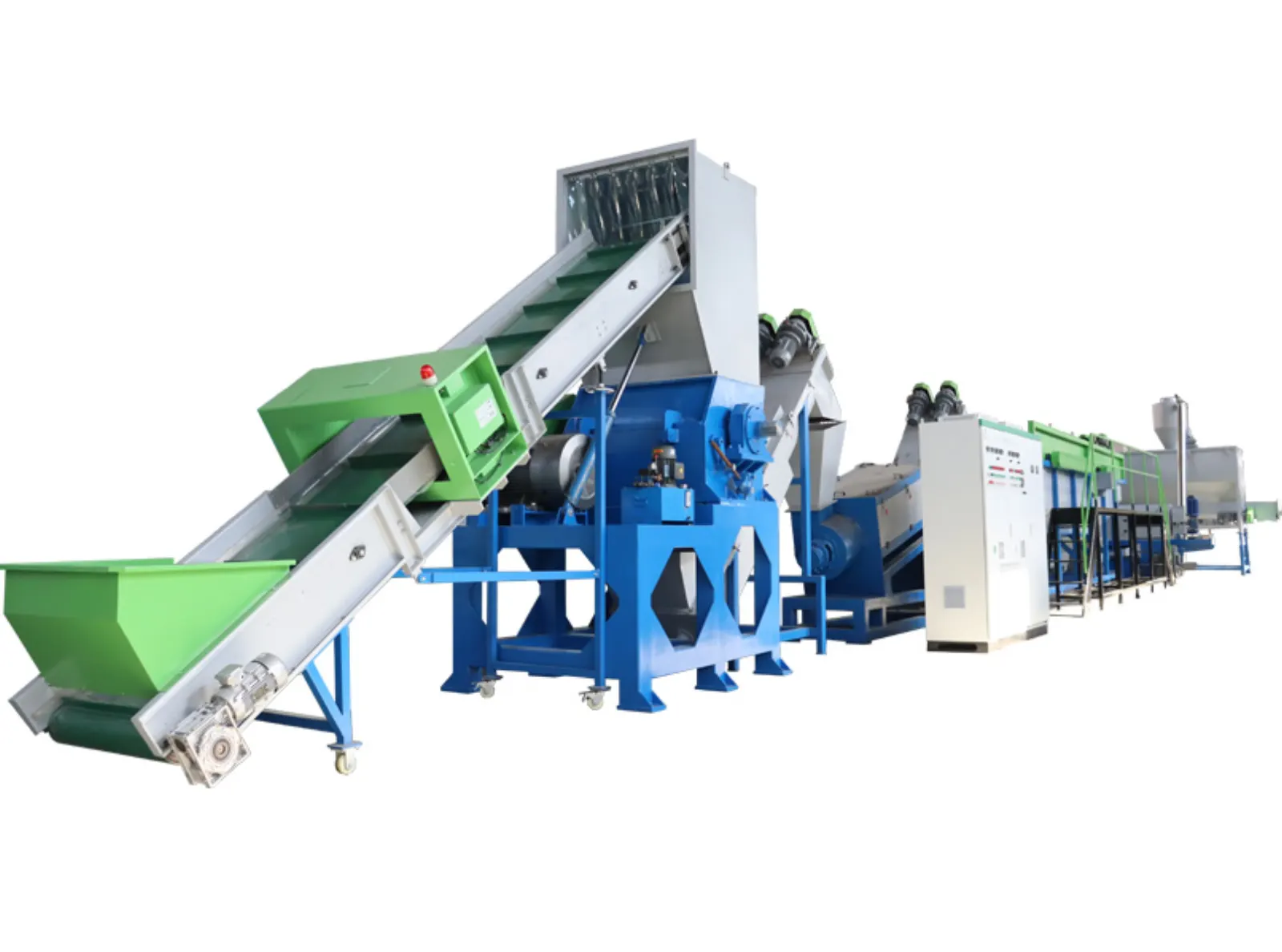
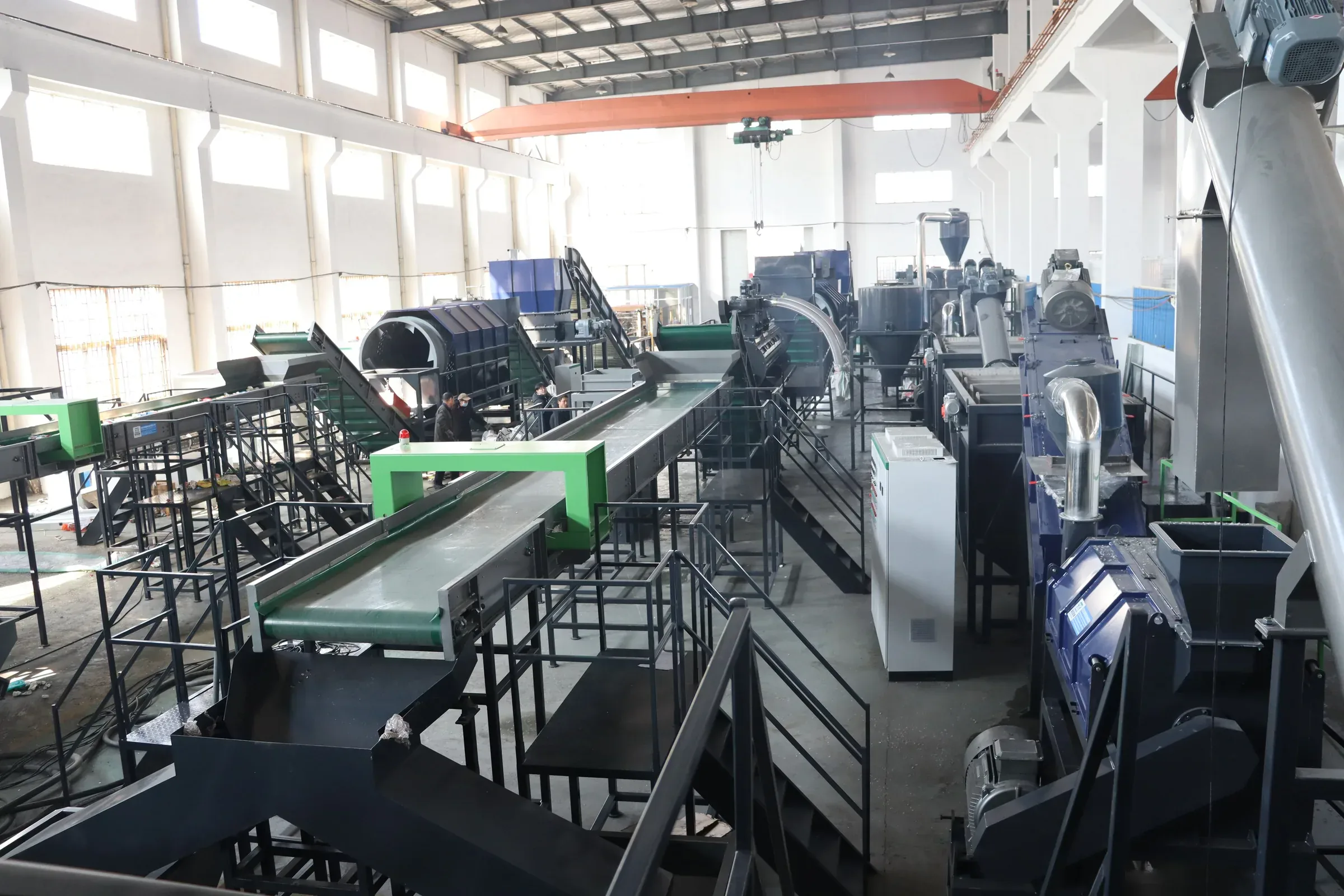
Plastic film recycling brings unique challenges. Materials like LDPE, LLDPE, and HDPE film are lightweight, flexible, and often contain moisture, making them difficult to feed directly into extrusion systems. This is why the film agglomerator recycling machine has become a key piece of equipment for improving processing efficiency.
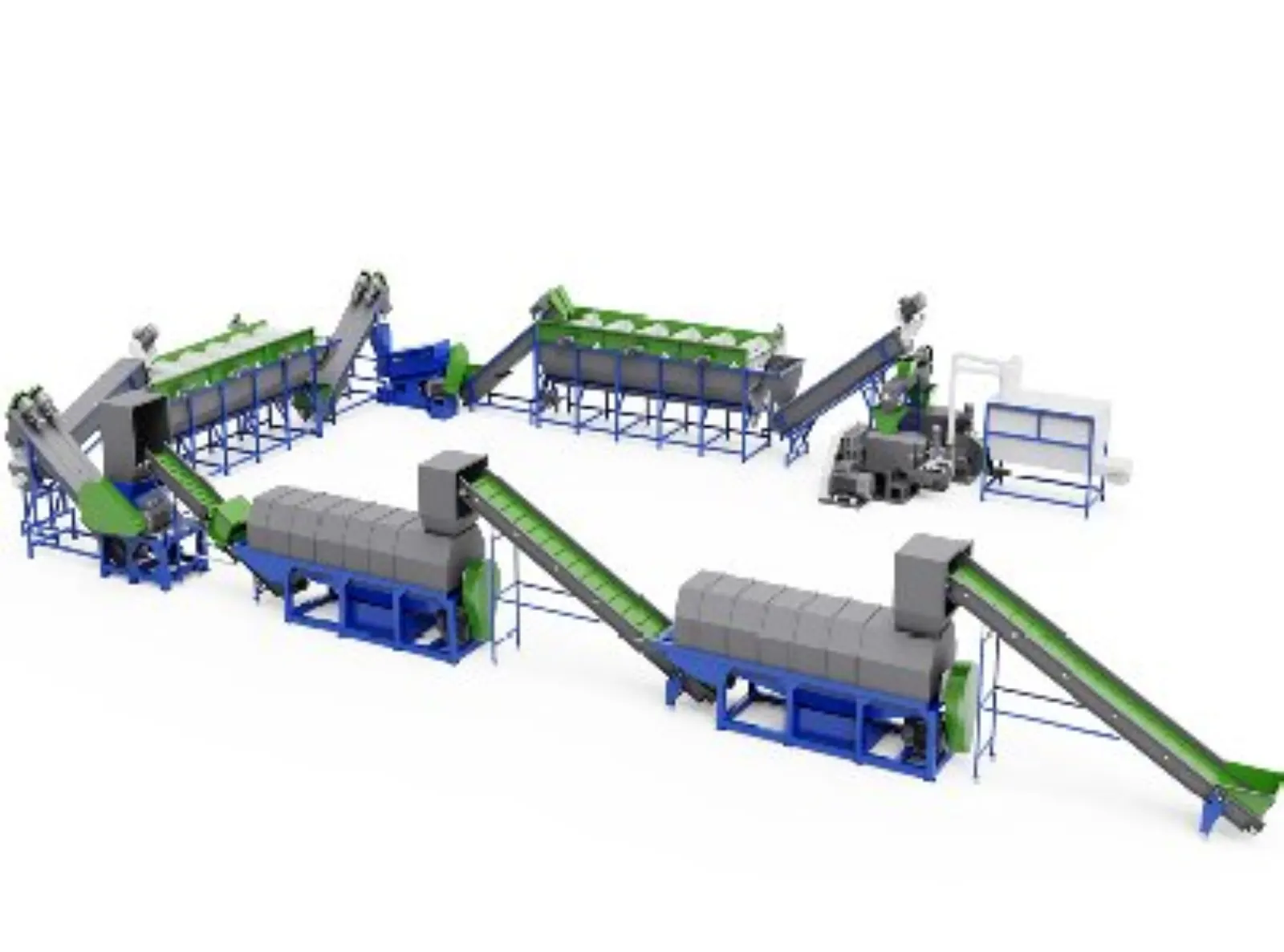
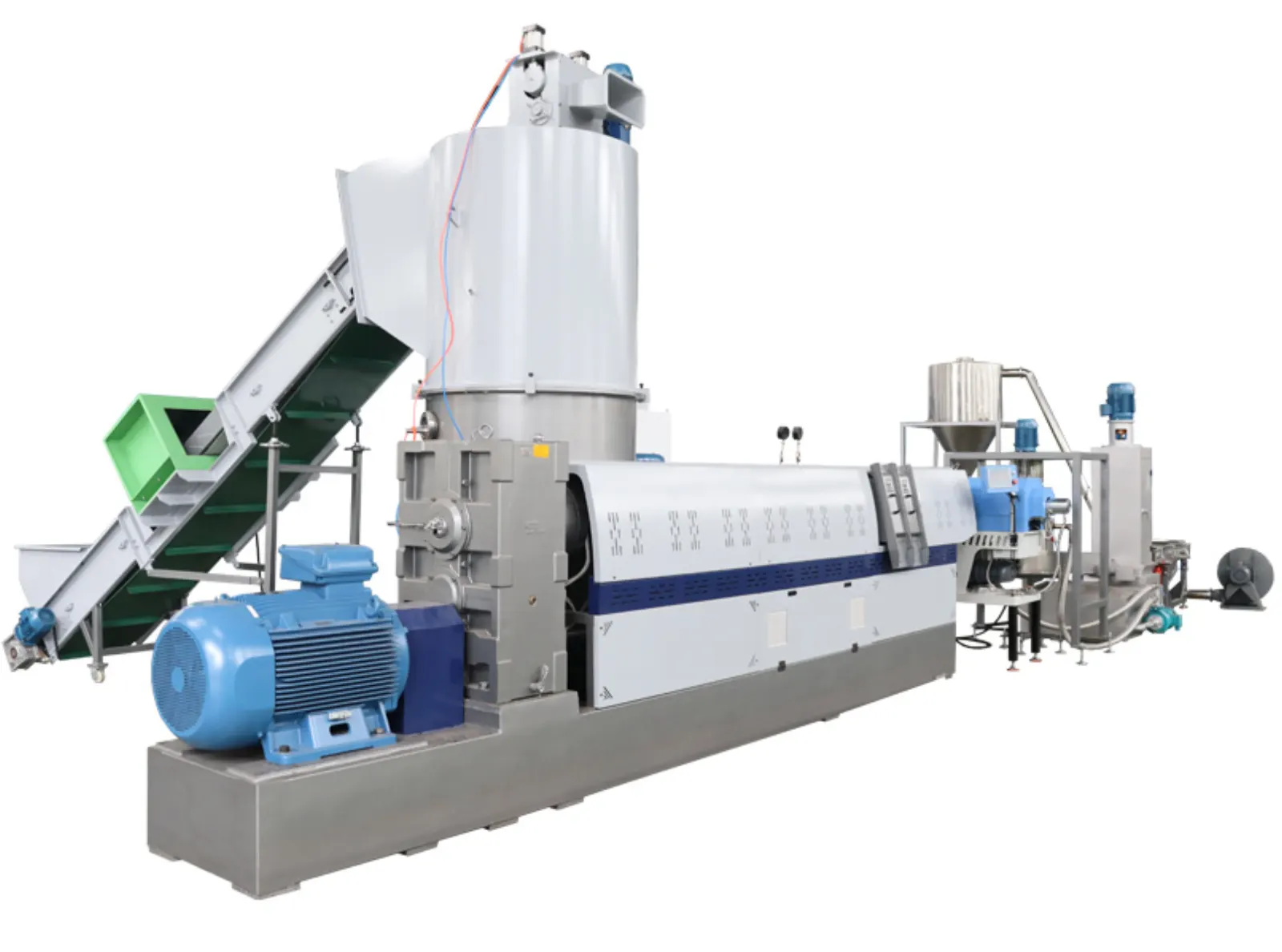
But in real production environments, traditional agglomerators are no longer enough. Modern recycling lines require not just densification, but continuous operation, stable feeding, and consistent pellet quality. Taking Retech’s film compactor pelletizing recycling line as an example, the concept of a film agglomerator recycling machine has evolved into a more integrated and efficient solution.
How Your System Improves Traditional Agglomeration
A conventional film agglomerator works by using friction heat to shrink and densify plastic film into small particles. While this helps with feeding, it still requires separate steps before extrusion.
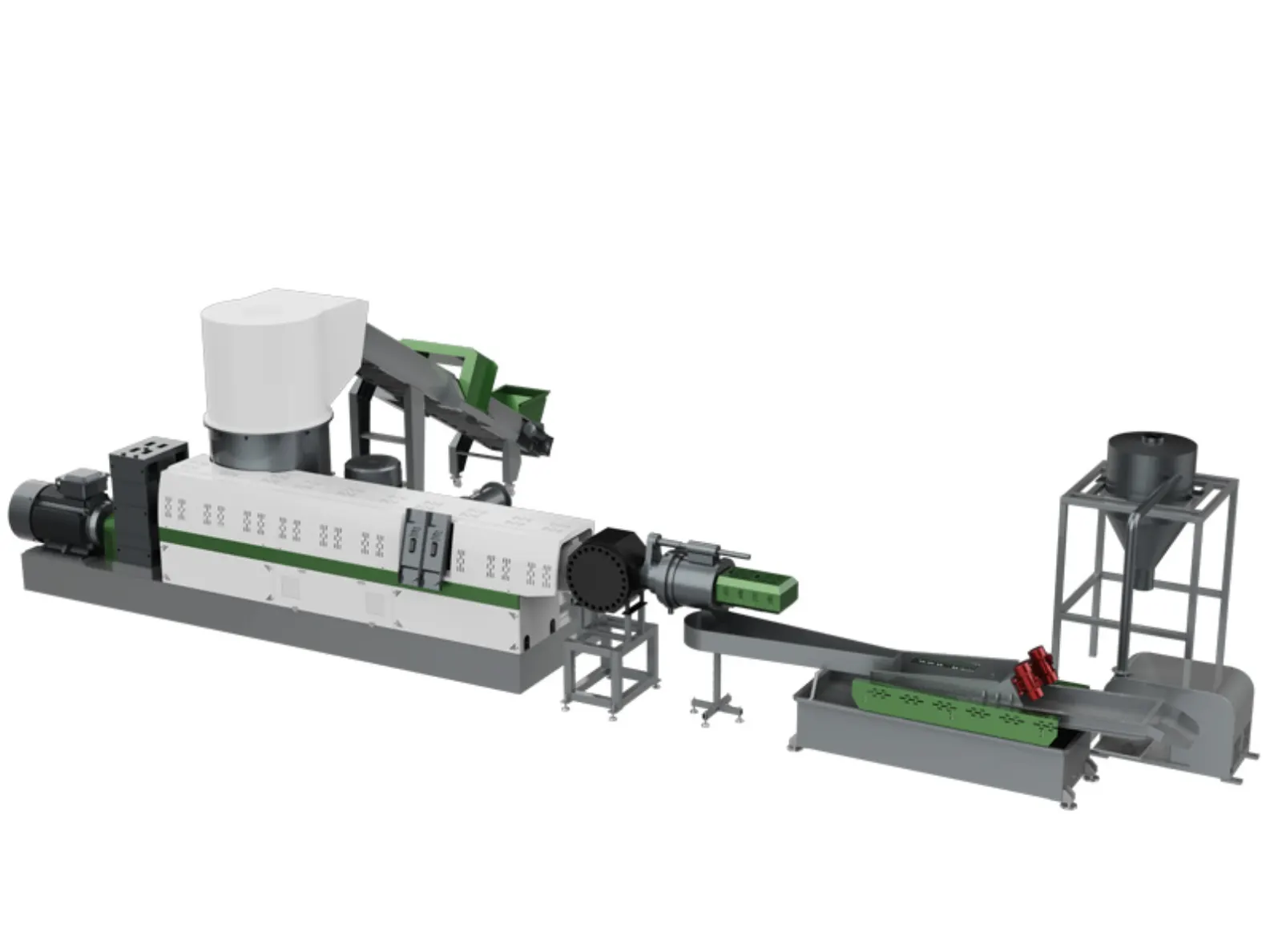
Your system replaces this approach with a cutter compactor, which performs cutting, densifying, preheating, and partial drying in one unit. The processed material is then directly fed into the extruder, eliminating the need for intermediate handling.
This design brings several practical advantages. The feeding becomes more stable, especially for low bulk density materials. At the same time, friction heat inside the compactor reduces moisture content, which is critical when processing washed film. Combined with the extruder’s degassing system, this ensures cleaner melt quality and more uniform pellets.
Another important improvement is the shift from batch operation to continuous production. Traditional film agglomerator recycling machines often require manual intervention between cycles, while your integrated system allows for uninterrupted processing. This not only improves efficiency but also reduces labor costs and operational complexity.
Application Value in Real Recycling Operations
In actual recycling plants, flexibility and output quality are just as important as processing capability. Your system is designed to handle a wide range of materials, including HDPE, LDPE, LLDPE films, printed films, and PP woven bags. This makes it suitable for both post-industrial scrap and post-consumer waste streams.
More importantly, the final pellets produced by this system are consistent and suitable for reuse in applications such as film blowing and injection molding. For recycling businesses, this directly translates into higher material value and better market competitiveness.
Choosing a film agglomerator recycling machine today is no longer just about densifying material. It is about selecting a system that can deliver stable performance, continuous operation, and high-quality output. Compared with traditional standalone agglomerators, an integrated compactor pelletizing line provides a more efficient and future-ready solution.
If you are planning to upgrade your plastic film recycling process, Retech’s film compactor pelletizing system offers a reliable option tailored for industrial applications. You can contact us to get detailed technical specifications and customized solutions based on your specific materials and capacity requirements.
FAQ
What is a film agglomerator recycling machine used for?
A film agglomerator recycling machine is used to densify soft plastic waste such as LDPE, LLDPE, and HDPE films. It increases bulk density and improves feeding stability, making the material easier to process in extrusion and pelletizing systems.
What is the difference between a film agglomerator and a film compactor?
A traditional agglomerator works as a standalone machine that produces densified particles in batches. A film compactor, like the one used in Retech’s recycling line, integrates cutting, densifying, and preheating, and feeds material directly into the extruder for continuous production.
Can this machine process wet plastic film?
Yes. The cutter compactor generates friction heat that helps reduce moisture content before extrusion. In addition, the extrusion system is equipped with degassing to remove residual moisture and gases, ensuring stable pellet quality.
What materials can be processed with this system?
This film agglomerator recycling machine is suitable for a wide range of materials, including HDPE, LDPE, LLDPE films, printed films, and PP woven bags. It can handle both post-industrial and post-consumer plastic waste.
Do I need pre-crushing before using this machine?
No. One of the key advantages of this system is that it can process loose film directly without pre-crushing, which simplifies the workflow and reduces labor and energy consumption.
What are the final applications of the recycled pellets?
The pellets produced can be used in film blowing, injection molding, and other plastic processing applications, depending on material quality and formulation.
How do I choose the right capacity for my recycling line?
Capacity selection depends on your material type, moisture level, and production requirements. It is recommended to consult with the manufacturer to determine the most suitable configuration based on your actual operating conditions.
This article is carried over from the Retech technical archive and keeps its original URL.
ABOUT THIS UPDATE
Published by Retech Marketing & Communications Team
The Retech Marketing & Communications Team publishes official company news, exhibition information, factory updates, project milestones and product announcements.
For technical questions about plastic recycling systems, please contact our engineering team.