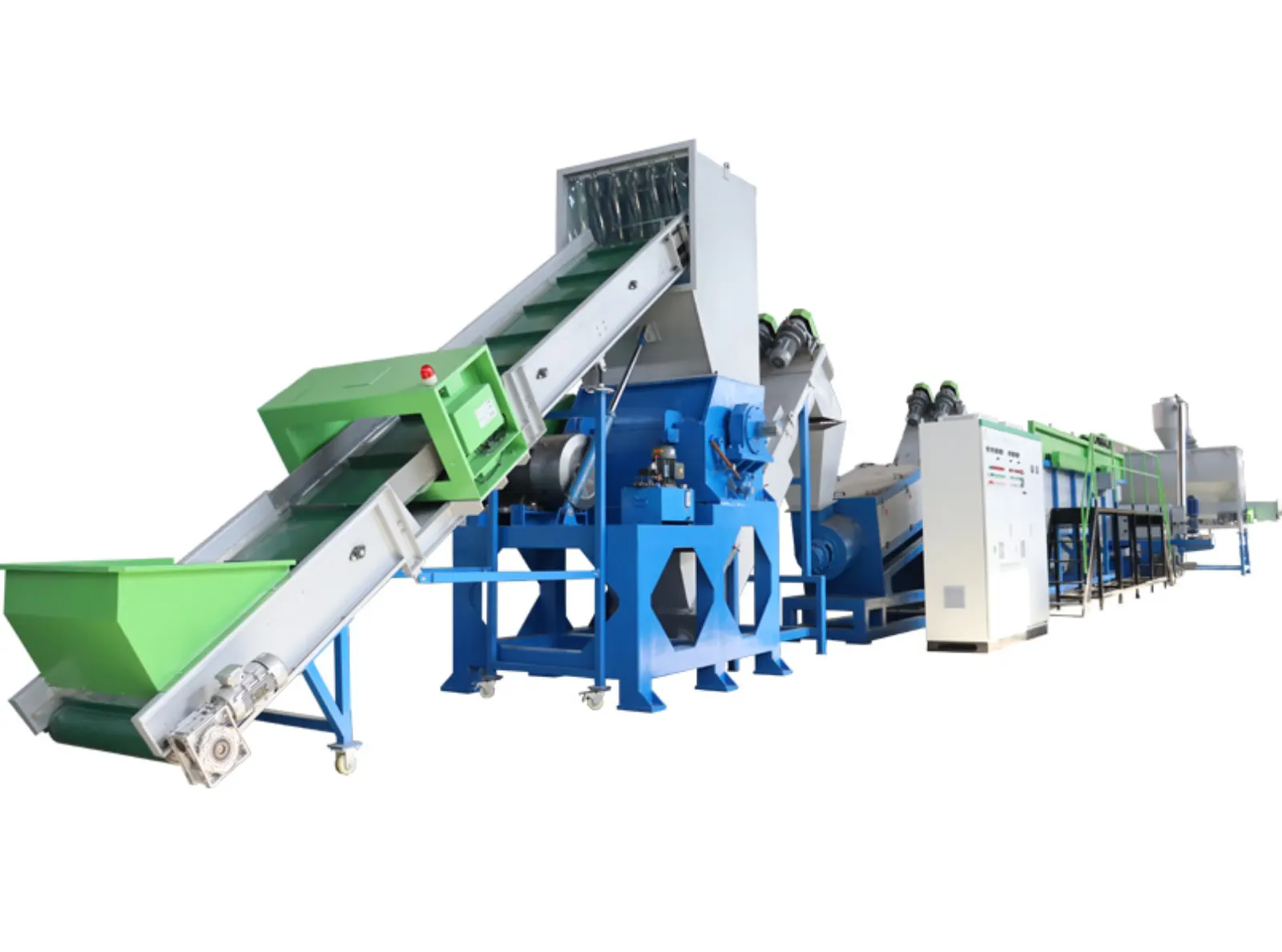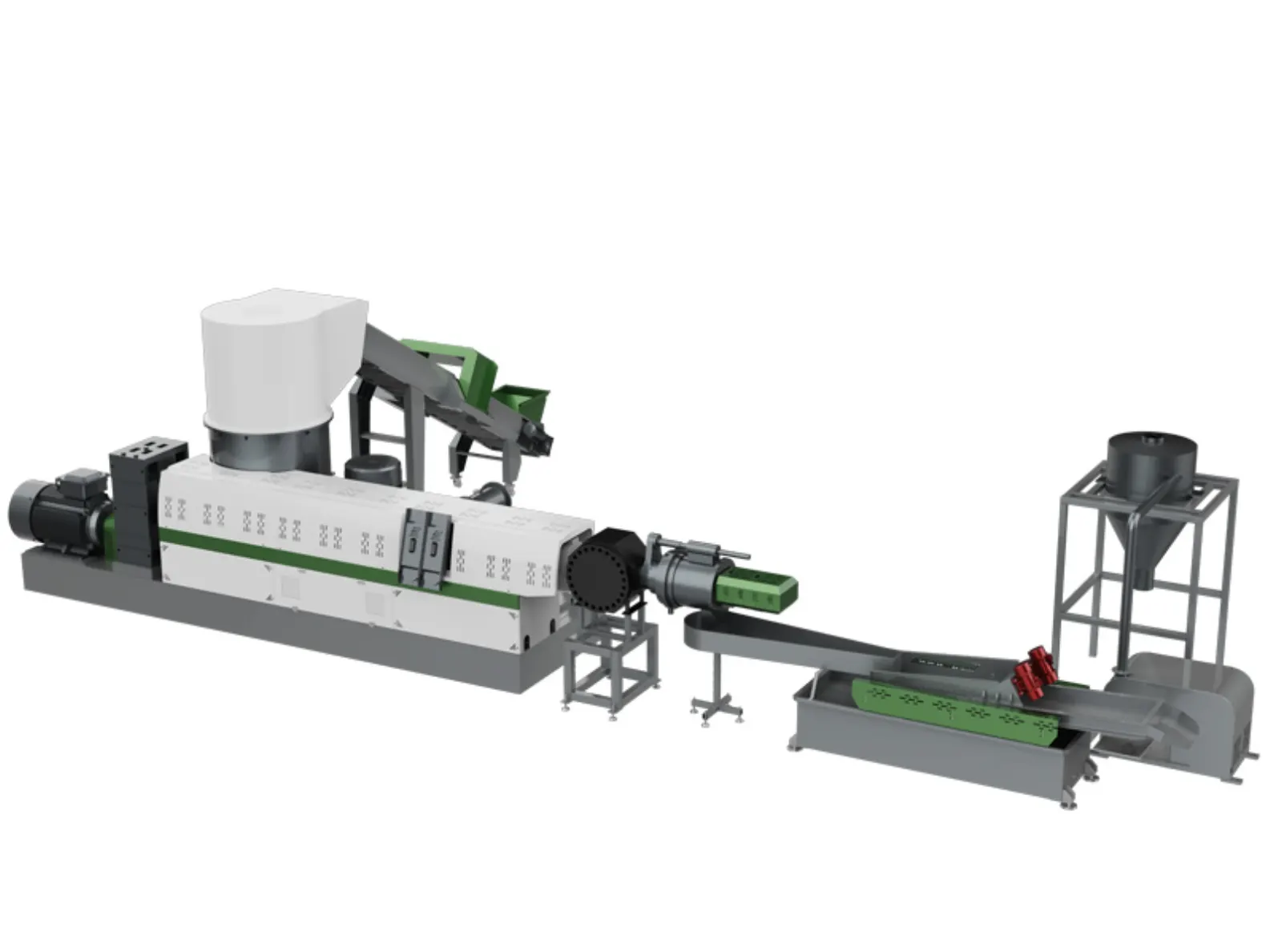
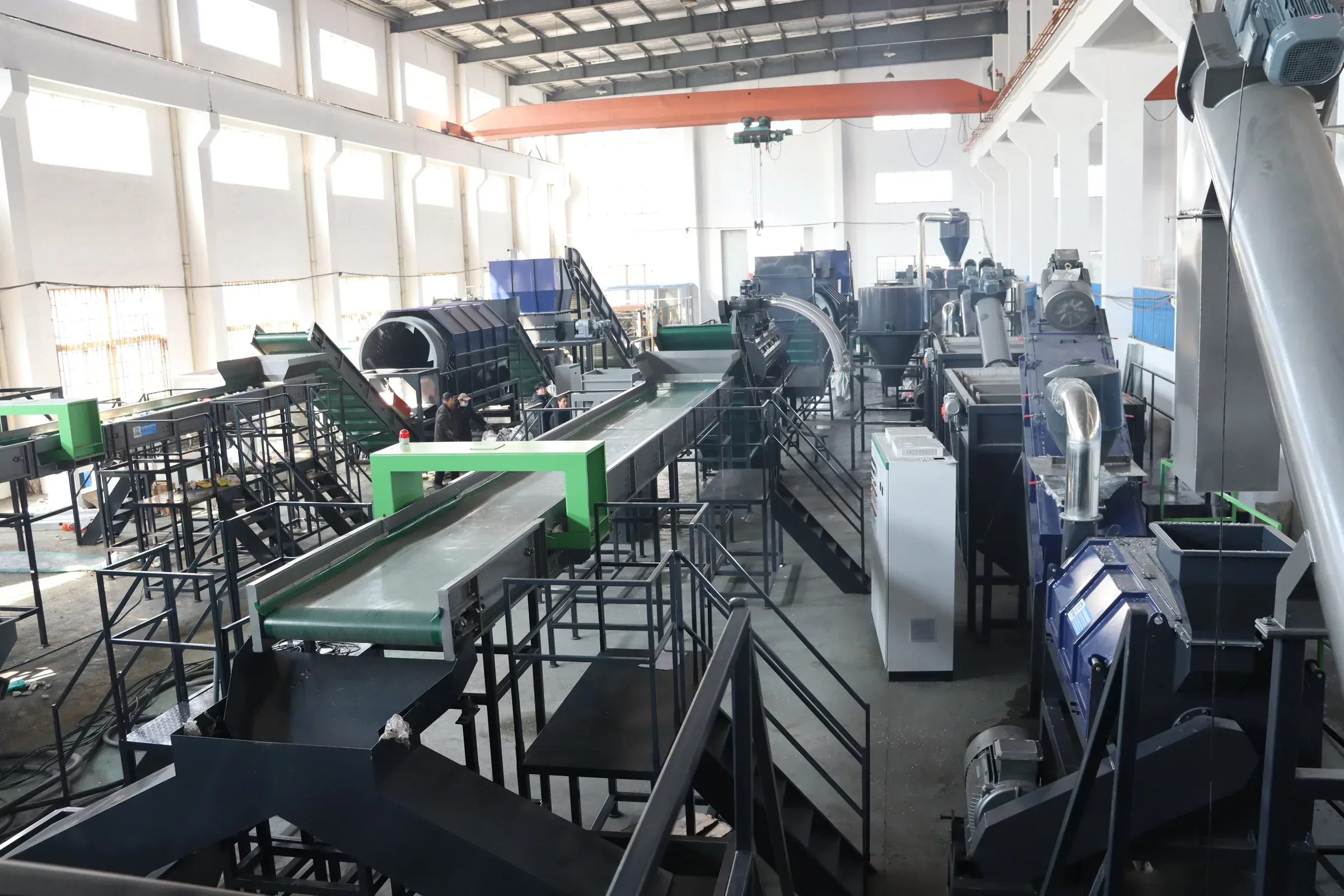
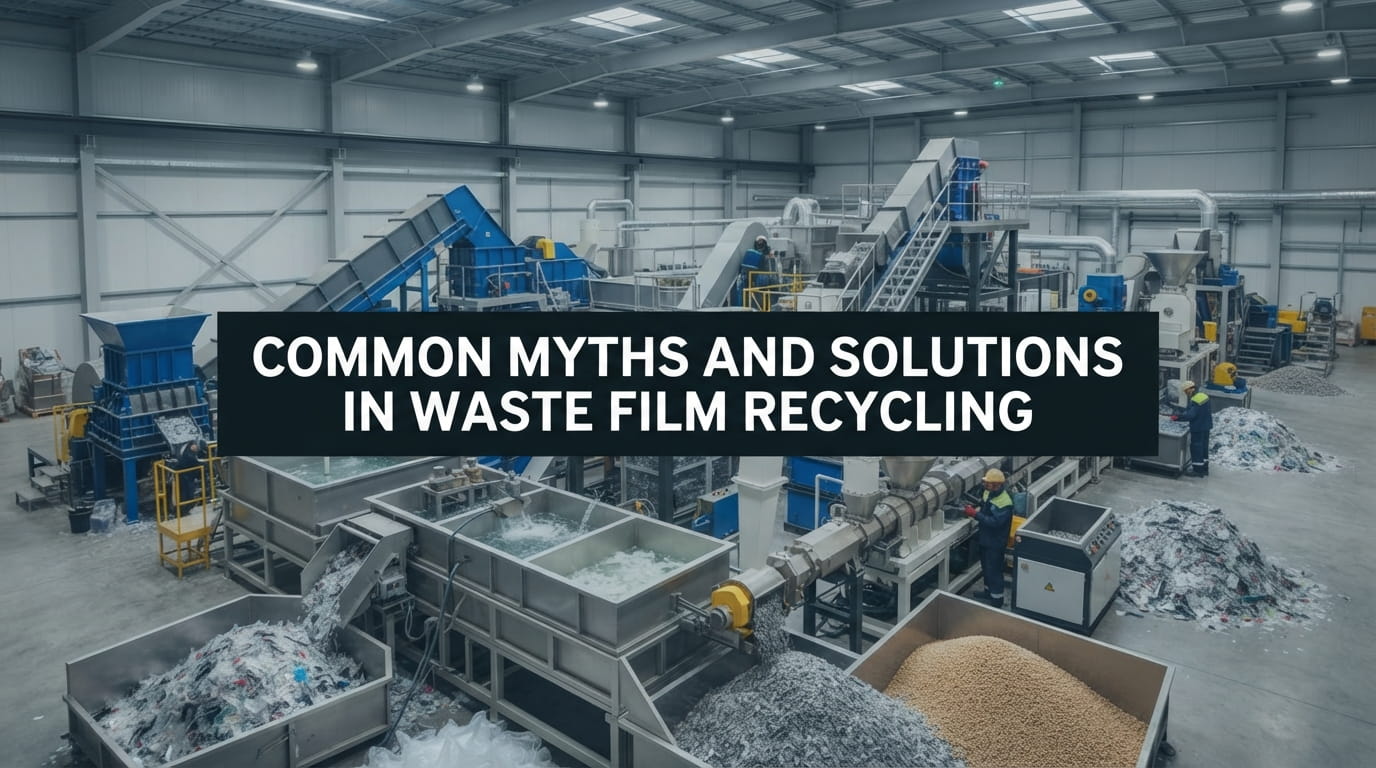
A waste film recycling line converts post-consumer and industrial flexible plastics, such as LDPE, LLDPE, and agricultural wrap, into high-purity regrind, whereas discarding bulky films to landfills incurs rising tipping fees and wastes valuable polymer resources.
Because thin films are lightweight, easily tangled, and frequently contaminated with mud and oil, they are often misjudged as impossible to recycle profitably or cleanly.
This guide breaks down five common misconceptions in industrial film recycling and explains how modern automated washing and pelletizing lines solve them through targeted engineering.
Myth 1: Waste Plastic Film Cannot Be Mechanically Recycled Profitably
Many plant investors assume that post-consumer film packaging and agricultural mulch wraps are too bulky, low-density, and expensive to transport and sort, making landfilling the only viable option.
Industrial film recycling counters this misconception by transforming low-density bulk waste into high-demand secondary raw materials. Modern recycling operations achieve clear and repeatable profit margins through structured volume reduction and automated extrusion:
- Cost-Efficient Volume Reduction: Heavy-duty balers and high-torque industrial shredders dramatically reduce the volume of loose film, cutting logistics and material handling costs.
- Reliable Downstream Markets: Regranulated LDPE and LLDPE find stable demand in secondary manufacturing applications, including blown film bags, agricultural drainage pipes, and extruded plastic lumber.
- Landfill Avoidance Savings: Diverting high-volume scrap films directly offsets mounting commercial tipping fees.
Beyond flexible film scrap, upgrading overall plant efficiency often involves balancing your setup with specialized PET bottle washing equipment if you handle mixed municipal recycling streams.
Myth 2: Heavily Contaminated Agricultural and Post-Consumer Films Are Unusable
A widespread operational fear is that heavily soiled agricultural mulch films or retail packaging caked in mud, sand, and adhesive labels will immediately jam downstream granulators or remain permanently dirty.
Thermal energy alone cannot remove embedded grit from flexible plastic webs, and manual sorting is economically unfeasible. Modern processing lines solve contamination through a rigorous mechanical and wet separation sequence:
- Dry Pre-Cleaning: Rotating trommel screens and air classifiers agitate baled film to strip away 70% to 80% of loose sand, stones, and surface dirt before water ever enters the system.
- Multi-Stage Wet Washing: High-speed friction washers and temperature-controlled hot wash reactors target heavy oil and glue residues.
- Density Separation: Sink-float separation tanks separate clean polyolefin flakes from heavier sinking contaminants, driving final impurity rates below 1%.
Myth 3: Soft Film Always Wraps Around Crusher Shafts and Jams Equipment
A persistent engineering myth is that flexible, stretchy plastic films possess too much stretch to be processed by standard size-reduction machinery, wrapping around rotor shafts and overheating blades.
Traditional rigid-plastic crushers fail on thin gauges because soft polymers stretch rather than break under standard impact cutting forces. Specialized film recycling configurations eliminate shaft wrapping through specific mechanical designs:
- V-Cut Rotor Geometry: Staggered V-cut shear blades apply precise and continuous cutting stress across the web width rather than blunt tearing.
- Water-Assisted Wet Granulation: Injecting high-pressure water directly into the cutting chamber cools the polymer, prevents heat buildup, and lubricates the gap to stop film fusing.
Myth 4: Drying Washed Plastic Film Consumes Too Much Thermal Energy
Because flexible films feature a high surface-area-to-mass ratio, they trap surface moisture aggressively. Many operators assume that drying washed film requires massive thermal gas dryers that consume prohibitive amounts of energy, wiping out operational margins.
Relying entirely on high-heat evaporation to drive moisture down creates severe operating expense bottlenecks. Modern plant engineering replaces high-energy thermal drying with mechanical dewatering:
- High-Torque Mechanical Squeezers: Dewatering screw presses apply extreme mechanical pressure to force trapped moisture out through drainage slots, dropping film moisture directly from high levels down to 3% to 5% while partially densifying the material.
- Vacuum-Vented Extrusion: Any remaining micro-moisture is safely removed through multi-stage vacuum degassing ports built directly into the compounding extruder barrel.
誤解5:多層フィルムや混合ポリオレフィンフィルムにはリサイクル価値がない
混合ポリオレフィン、多層バリア包装、または少量のPPがリサイクル工程に混入すると、メルトフローの不整合によりバッチ全体の商業的価値が失われるとよく信じられています。
未選別のポリマーストリームは処理上の課題をもたらしますが、現代の押出技術は互換性のギャップを以下のように克服しています:
- ポリオレフィンの比重選別: PEとPPはどちらも比重が1.0 g/cm³未満であるため、水ベースの分離システムで一緒に選別・回収することが可能です。
- 高度なメルトろ過: 連続式ノンストップスクリーンチェンジャーにより、生産を停止することなく、溶けない紙繊維や異物を除去します。
- メルトインデックスの安定化: 専用の脱気装置を備えた2段式押出機により、ポリマーを完全に混合し、安定した均一なペレットを製造します。
クイックリファレンス:廃フィルムリサイクルの課題と設備ソリューション
以下の表は、さまざまな廃フィルム原料を処理するための主要な運用パラメータ、主な汚染物質、および必要なモジュール式設備をまとめたものです。
| 原料タイプ | 主な汚染物質 | 必要な洗浄・乾燥モジュール | 目標水分量と出力 |
| 農業用ストレッチフィルム・サイレージラップ | 重い土、泥、水分 | トロンメルスクリーン、湿式シュレッダー、摩擦洗浄機、機械式スクイーザー | 水分3%未満;農業用パイプグレードの再生材 |
| 農業用マルチフィルム | 砂、石、有機汚れ | 乾式プレクリーナー、高耐久湿式グラニュレーター、比重分離タンク | 純度99%以上;インフレーションフィルムまたは成形グレード |
| ポストコンシューマー包装フィルム | 紙ラベル、食品残渣、接着剤 | 機械式ラベル剥離機、温水洗浄リアクター、遠心乾燥機 | 水分2%未満;高透明ペレット出力 |
Retech Machineで廃プラスチックフィルムを高品位ペレットに変換
廃フィルムリサイクルは、堅牢な機械洗浄および脱水設備と組み合わせることで、扱いにくい農業廃棄物や包装廃棄物を高付加価値の二次原料に変えることができます。原料の汚染レベルに合わせて機械レイアウトを調整することで、信頼性が高く収益性の高いプラント運営が可能になります。
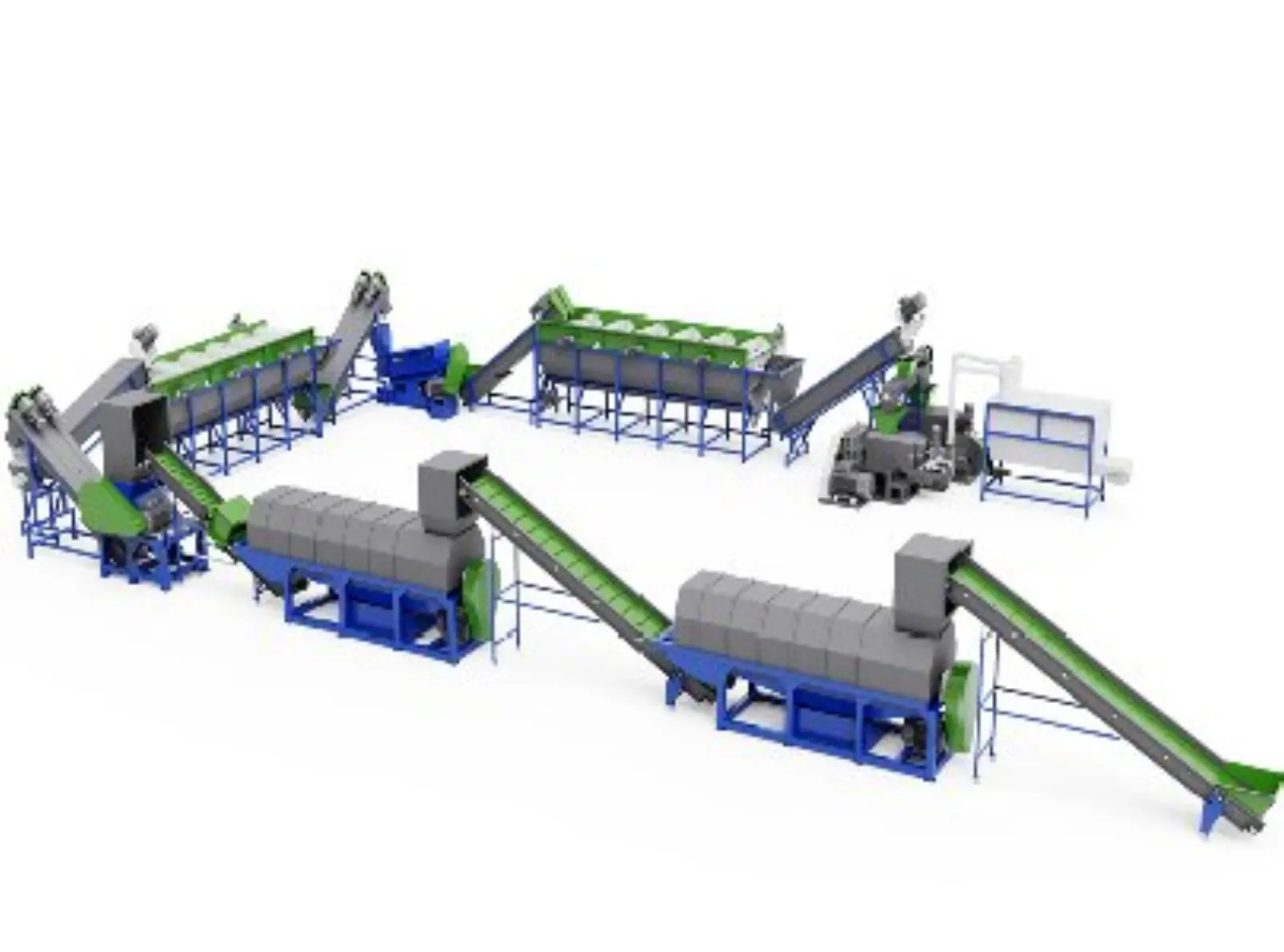
Retechマシン エンジニアリングおよびターンキー製造 廃フィルム洗浄・ペレット化ライン 300 kg/hから2,000 kg/hまで対応。当社の統合システムは、高耐久一軸シュレッダー、湿式グラニュレーター、高速摩擦洗浄機、機械式脱水スクイーザー、および 2段式コンパウンド押出機 を組み合わせ、安定した溶融出力を保証します。
Retech Machineエンジニアリングチームまでお問い合わせください。 原料の詳細と目標時間当たり処理能力を添えて、カスタマイズされた設備提案とプラントレイアウトをご依頼ください。
この更新について
発行:Retechマーケティング&コミュニケーションチーム
Retechマーケティング&コミュニケーションチームは、公式の企業ニュース、展示会情報、工場アップデート、プロジェクトの進捗、および製品発表を公開しています。.
プラスチックリサイクルシステムに関する技術的なご質問は、弊社エンジニアリングチームまでお問い合わせください。.