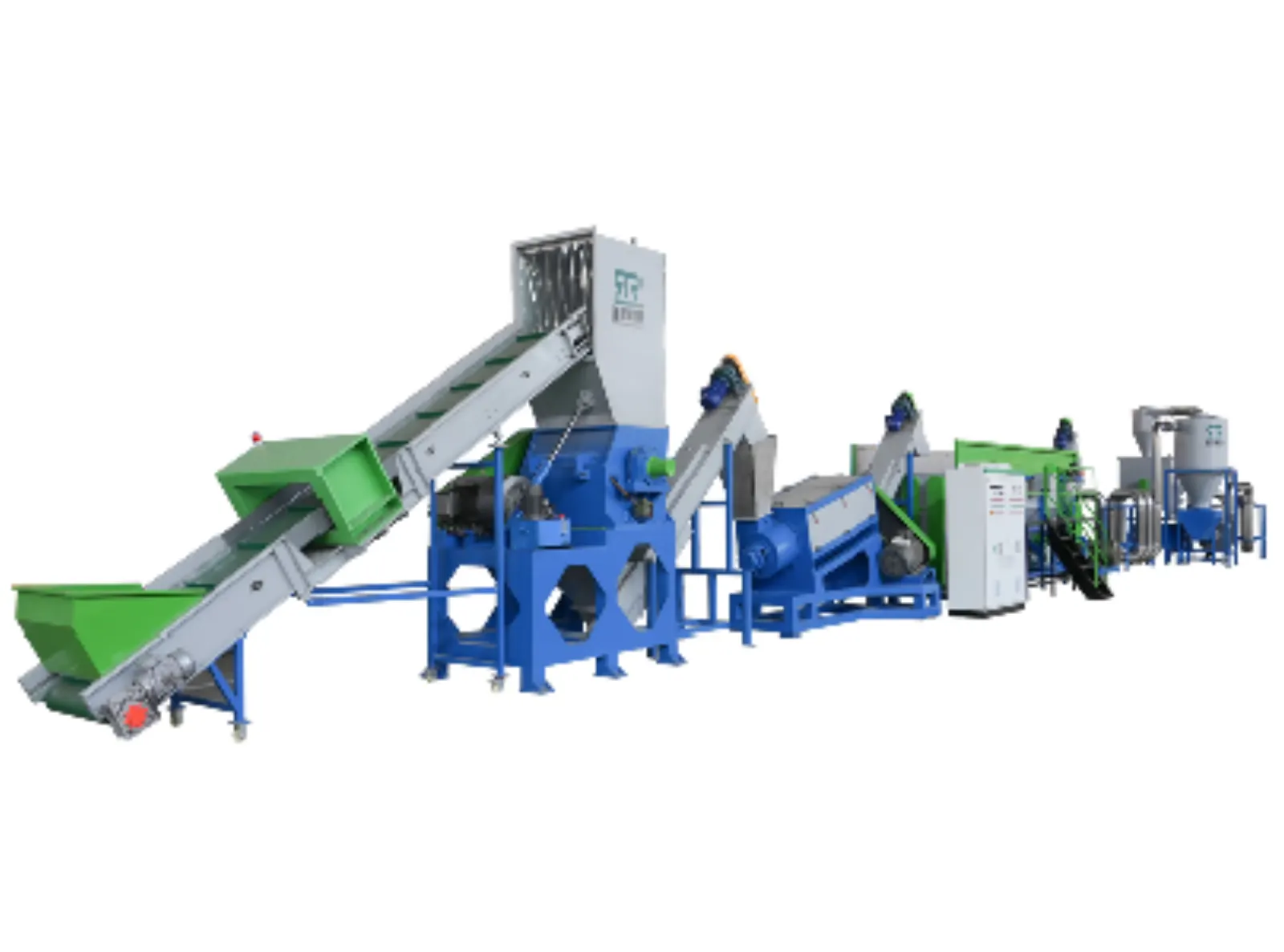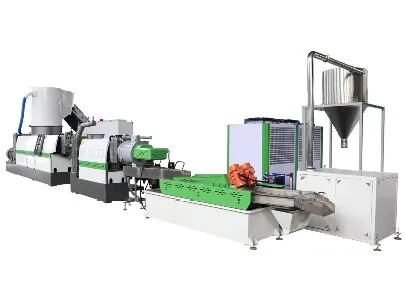
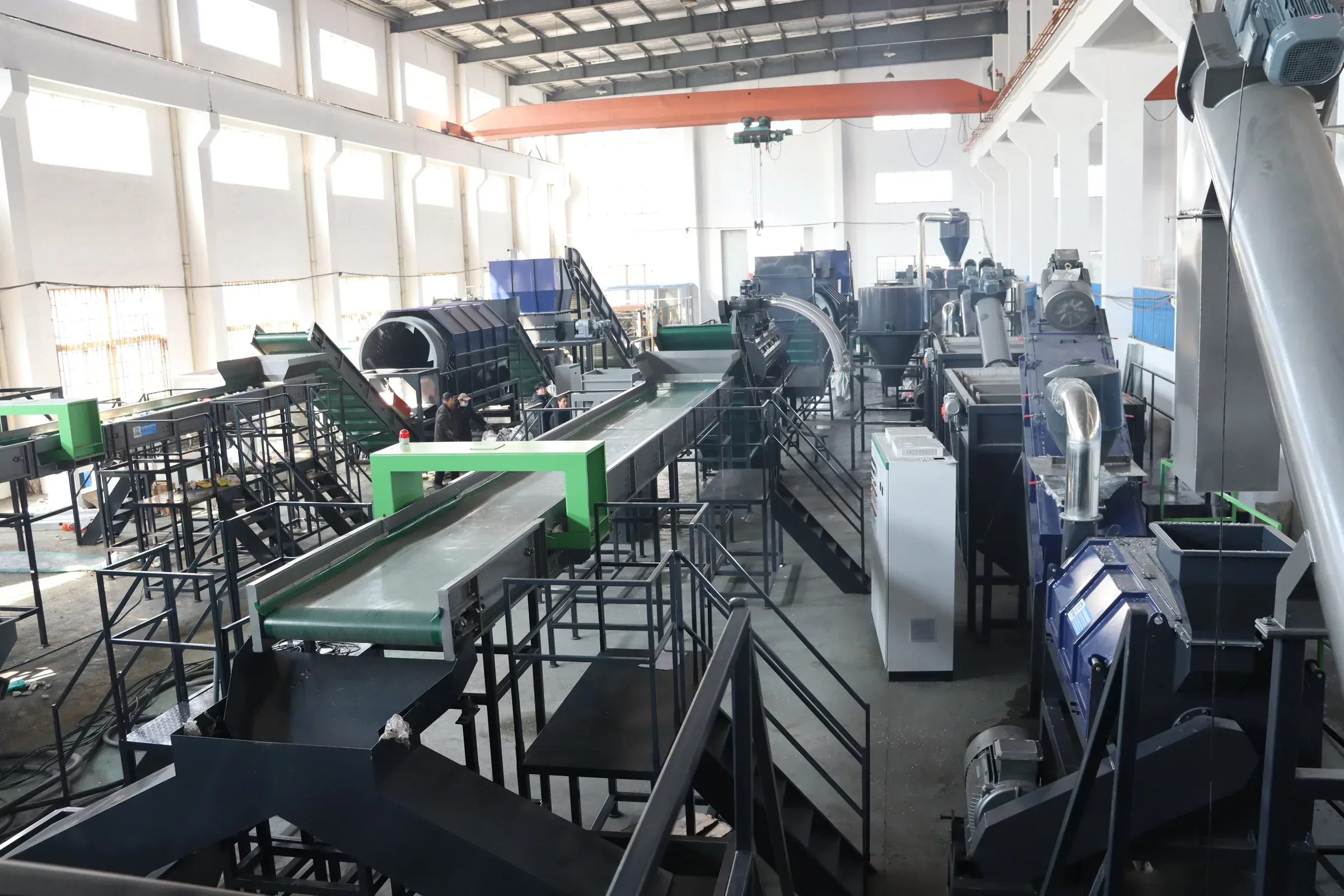

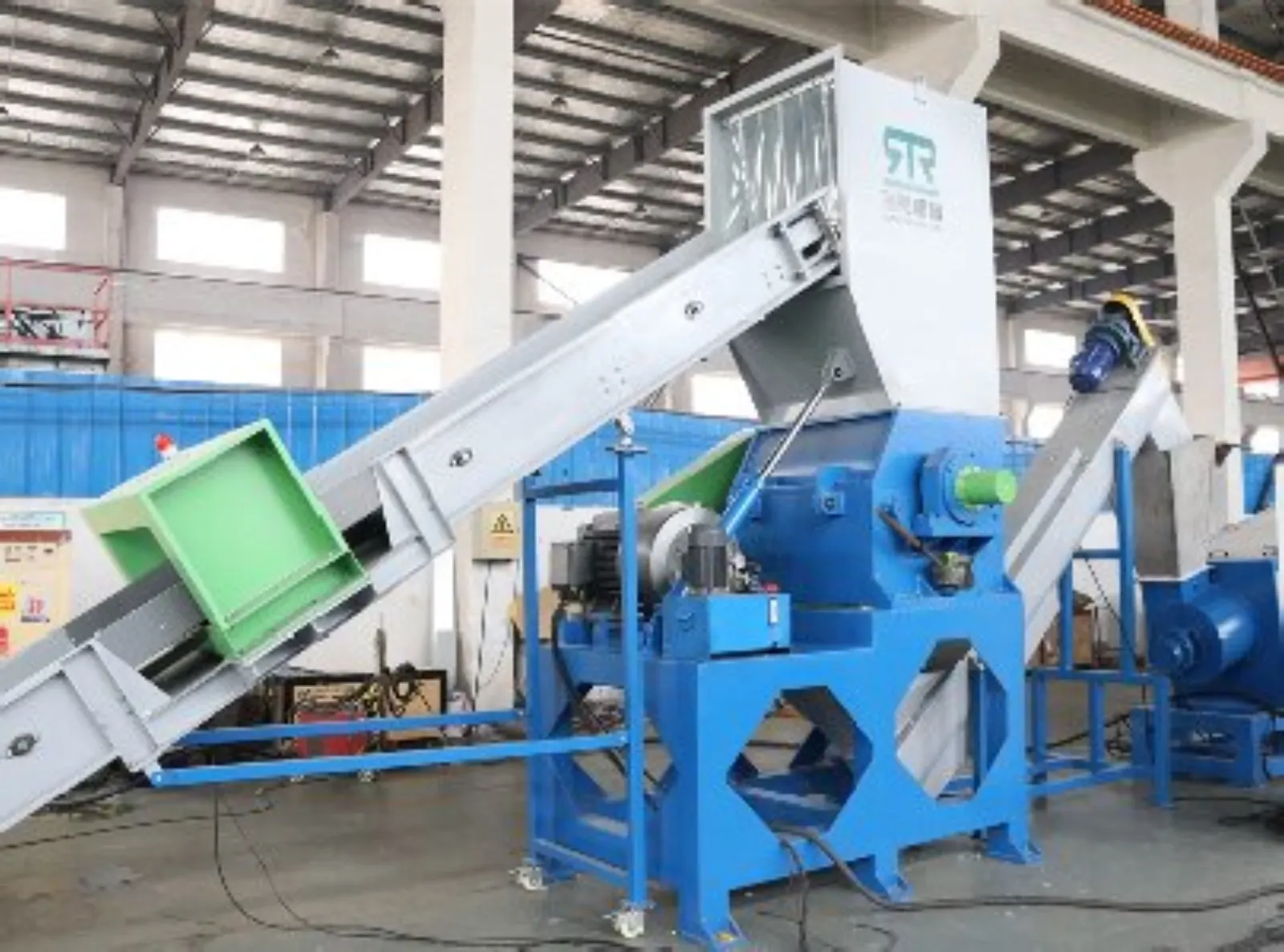
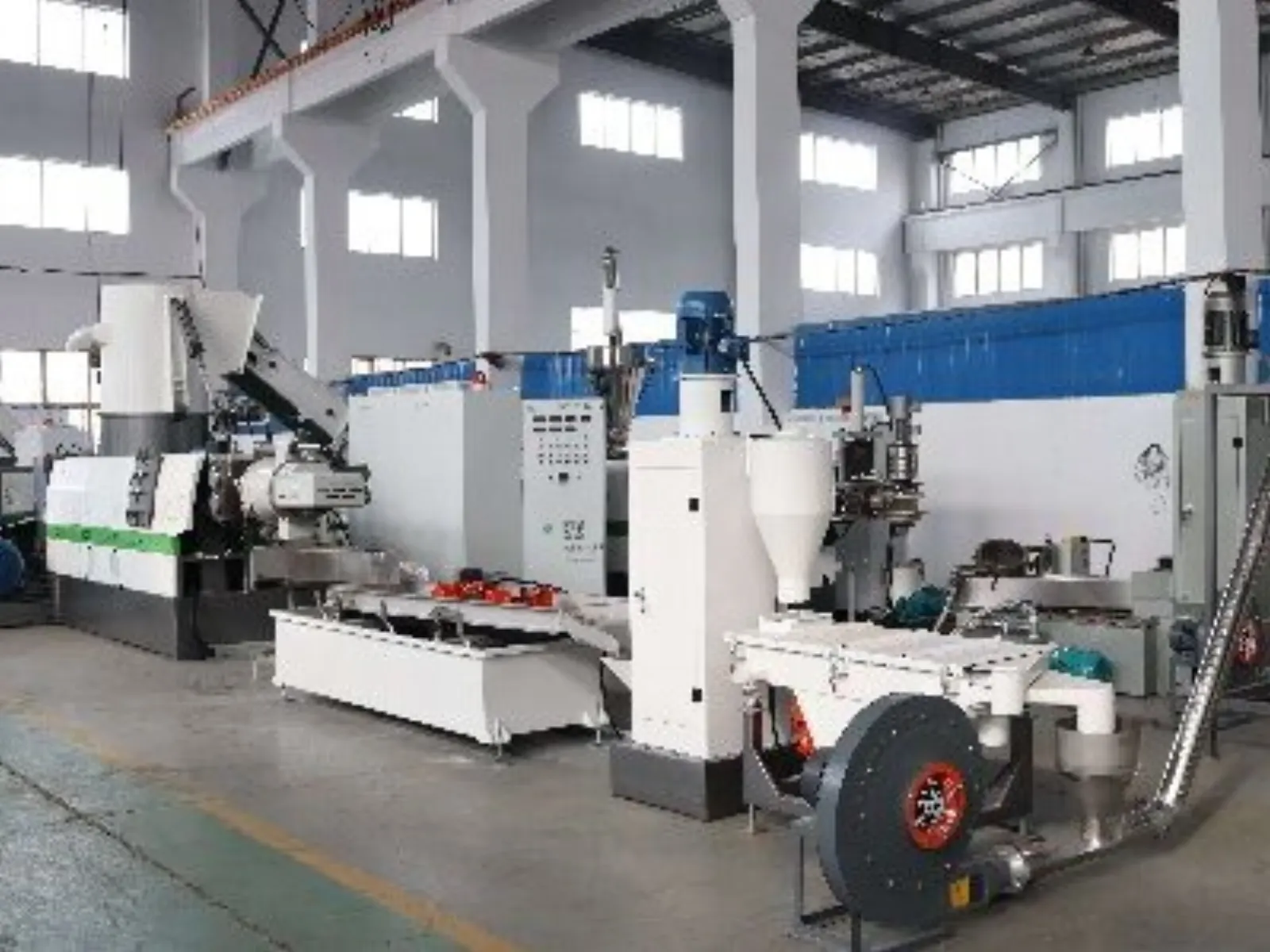
In the plastic recycling industry, achieving high-quality plastic granules is a top priority. One of the most critical factors in this process is controlling the moisture content in the plastic. If the water content is too high—typically above 7%—the quality of the plastic pellets will decline, reducing their market value and usability. This is because excessive moisture can disrupt the pelletizing process, leading to operational inefficiencies, increased costs, and substandard end products.
When a plastic recycling pelletizing machine processes plastic with high moisture content, several issues can arise, affecting both the machinery and the quality of the pellets. Below, we explore these challenges in detail and provide solutions to mitigate them.
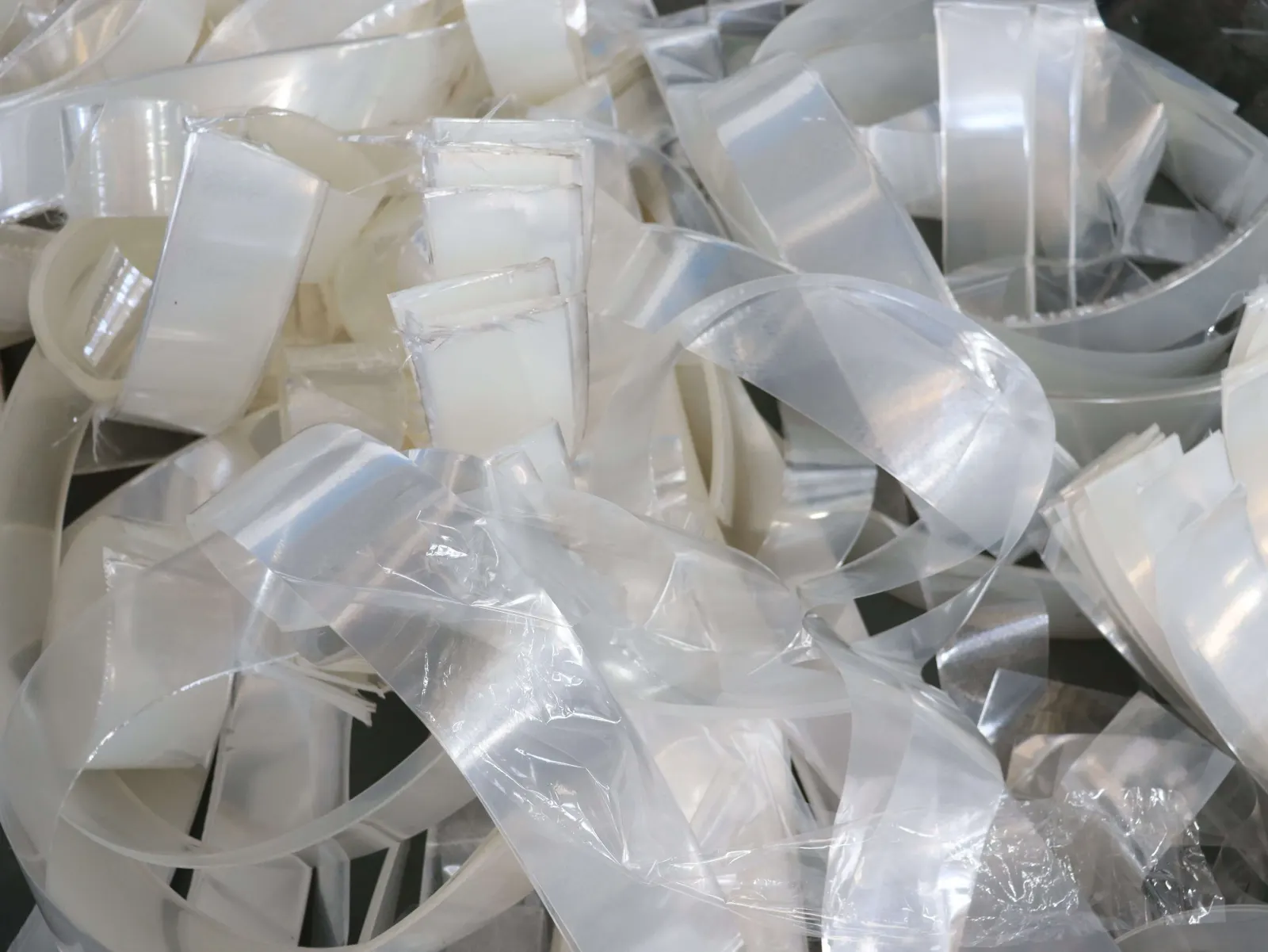
Challenges of High Moisture Content in Plastic Recycling
Inconsistent Melting
Problem: Plastic with high moisture content does not melt uniformly. Water interferes with the melting process, causing uneven heating. As the moisture evaporates during heating, it can create foam or bubbles in the molten plastic.
Effect: This results in pellets with air pockets, inconsistent density, and structural defects, making them unsuitable for high-quality manufacturing applications.
Increased Energy Consumption
Problem: Excess moisture forces the pelletizing machine to work harder. Higher temperatures or extended processing times are required to evaporate the water, leading to increased energy usage.
Effect: This not only raises operational costs but also reduces the overall efficiency of the recycling process.
Accelerated Wear and Tear
Problem: Moisture can cause corrosion and wear on critical components of the pelletizing machine, such as the extruder screws, nozzles, and die plates. Water interacts with metal parts, accelerating degradation.
Effect: This leads to more frequent maintenance, higher repair costs, and potential machine downtime, disrupting production schedules.
Poor Pellet Quality
Problem: High moisture levels can cause the plastic to degrade during the pelletizing process. This degradation results in discolored, brittle, or low-strength pellets.
Effect: The end product is of lower quality, reducing its value and limiting its applications in manufacturing.
Clogging of the Pelletizing System
Problem: Excess moisture can cause blockages in the extruder, die, or cooling system. Water can cause the plastic to solidify prematurely or disrupt the flow of material through the machine.
Effect: Clogs lead to operational stoppages, longer processing times, and potential damage to the machinery.
Inconsistent Pellet Shape and Size
Problem: The pelletizing process relies on controlled cooling and shaping of the molten plastic. Excess moisture can disrupt this process, as water vapor interferes with solidification.
Effect: Pellets may be irregular in size, shape, and density, making them unsuitable for precise manufacturing processes.
Solutions to Address High Moisture Content
To ensure high-quality plastic pellets and efficient operations, it is essential to control moisture levels throughout the recycling process. Here are some practical solutions:
Invest in Drying Equipment
Use specialized drying systems, such as rotary drum dryers, desiccant dryers, or vacuum dryers, to remove excess moisture from the plastic before it enters the pelletizer. These systems are designed to handle large volumes of material and can significantly reduce moisture levels.
Implement Moisture Control Sensors
Modern pelletizing systems often come equipped with moisture control sensors that monitor and regulate moisture levels in real time. These sensors ensure that the plastic remains within the optimal moisture range (typically below 1-2%) during processing.
Optimize Storage Conditions
Store plastic materials in a dry, controlled environment to prevent reabsorption of moisture from the air. This is especially important for hygroscopic plastics like PET, which readily absorb moisture.
Pre-Treatment of Plastic Waste
Before pelletizing, consider pre-treating the plastic waste by washing and thoroughly drying it. This step is particularly useful for post-consumer plastics, which often contain contaminants and residual moisture.
Regular Maintenance of Equipment
Conduct regular inspections and maintenance of the pelletizing machine to prevent moisture-related wear and tear. Replace worn-out components, such as screws and die plates, to maintain optimal performance.
Use of Additives
In some cases, adding desiccants or drying agents to the plastic feedstock can help absorb excess moisture during processing. However, this should be done cautiously to avoid introducing impurities.
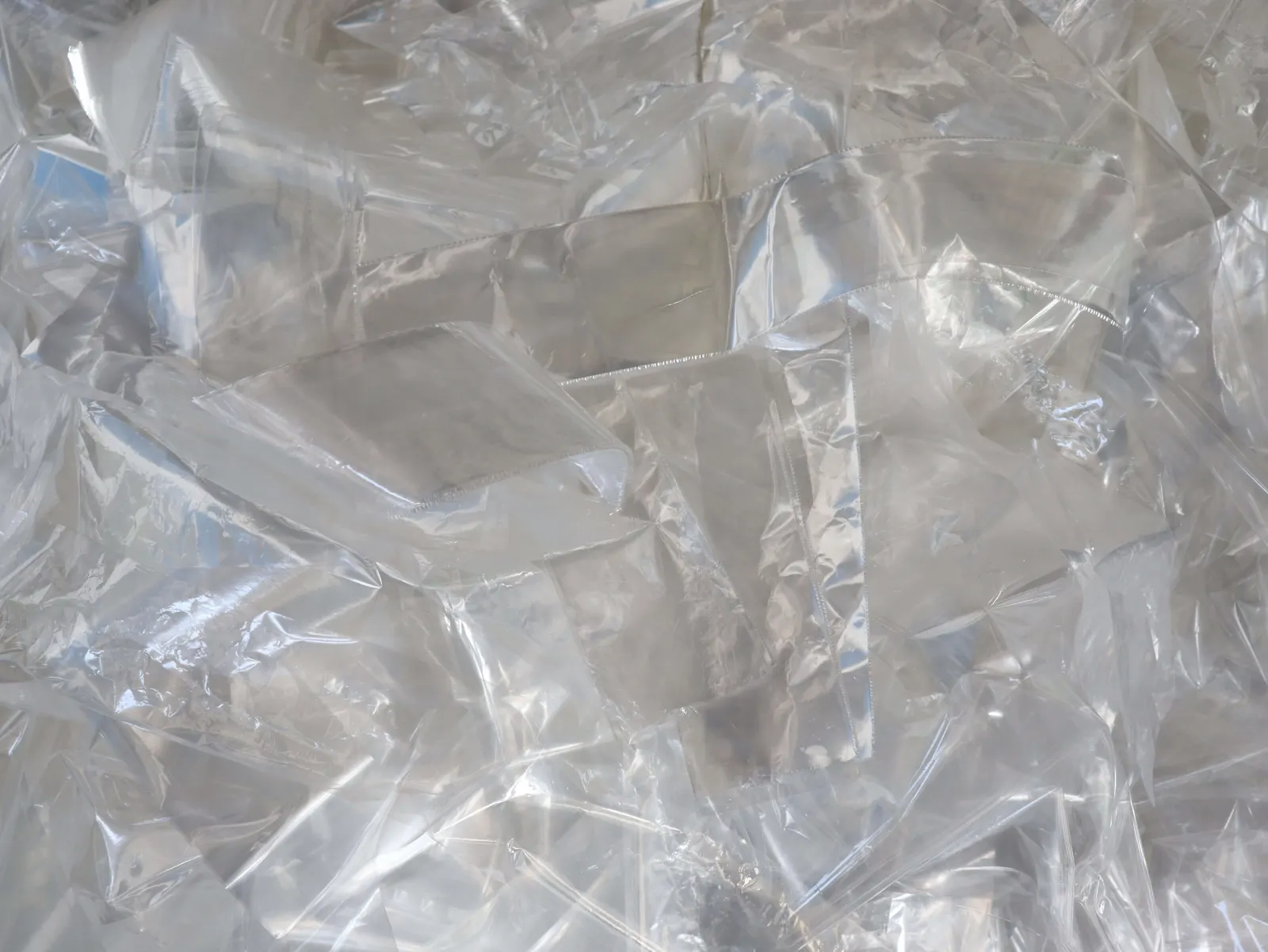
Benefits of Proper Moisture Control
プラスチックリサイクルにおいて適切な水分量を維持することで、メーカーはいくつかのメリットを得ることができます。
- より高品質なペレット:一貫した水分管理により、均一な溶解と固化が保証され、優れた構造的完全性と外観を備えたペレットが製造されます。.
- 運用コストの削減:エネルギー消費の低減と機械故障の減少により、コスト削減につながります。.
- 機器の寿命延長:水分に関連する摩耗や損傷を最小限に抑えることで、頻繁な修理や交換の必要性が減ります。.
- 市場価値の向上:高品質なペレットはより良い価格で取引され、製造用途においてより需要が高まります。.
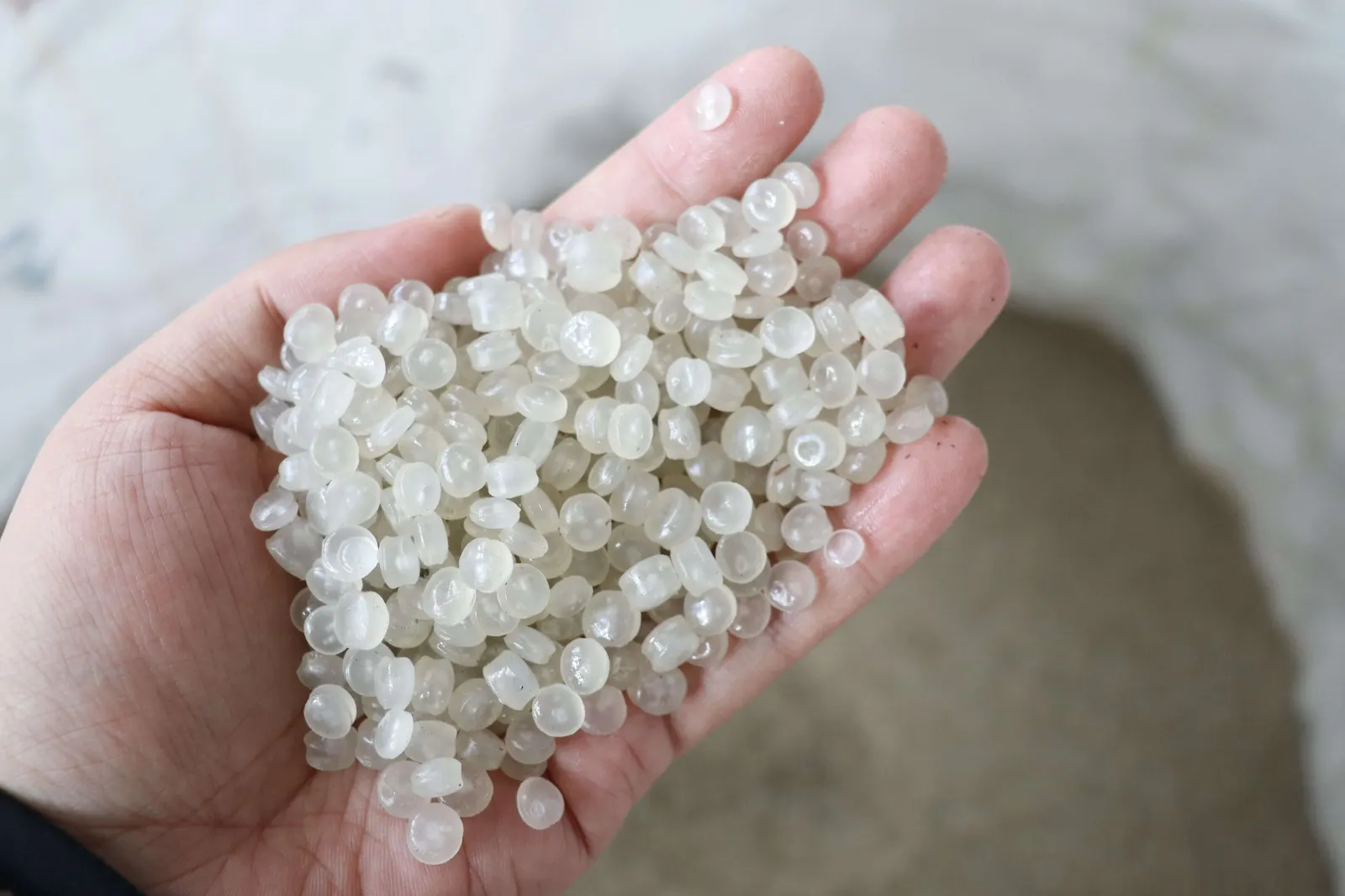
結論
水分管理は、最終製品の品質とペリタイジング工程の効率に直接影響を与える、プラスチックリサイクルにおける重要な側面です。適切な乾燥設備への投資、保管条件の最適化、および水分管理対策の実施により、リサイクル業者は業界基準を満たす高品質なプラスチックペレットを製造できます。これはリサイクル素材の価値を高めるだけでなく、より持続可能で効率的なリサイクルエコシステムの構築にも貢献します。.
品質と効率が最優先される業界において、水分含有量への対策は、プラスチックリサイクルで卓越性を達成するための小さくとも重要な一歩です。.
この更新について
発行者 Retechマーケティング&コミュニケーションチーム
Retechマーケティング&コミュニケーションチームは、公式の企業ニュース、展示会情報、工場アップデート、プロジェクトの進捗、および製品発表を公開しています。.
プラスチックリサイクルシステムに関する技術的なご質問は、弊社エンジニアリングチームまでお問い合わせください。.