Real Project Proof
Kazakhstan 1000 kg/h LDPE Film Washing Pelletizing Line
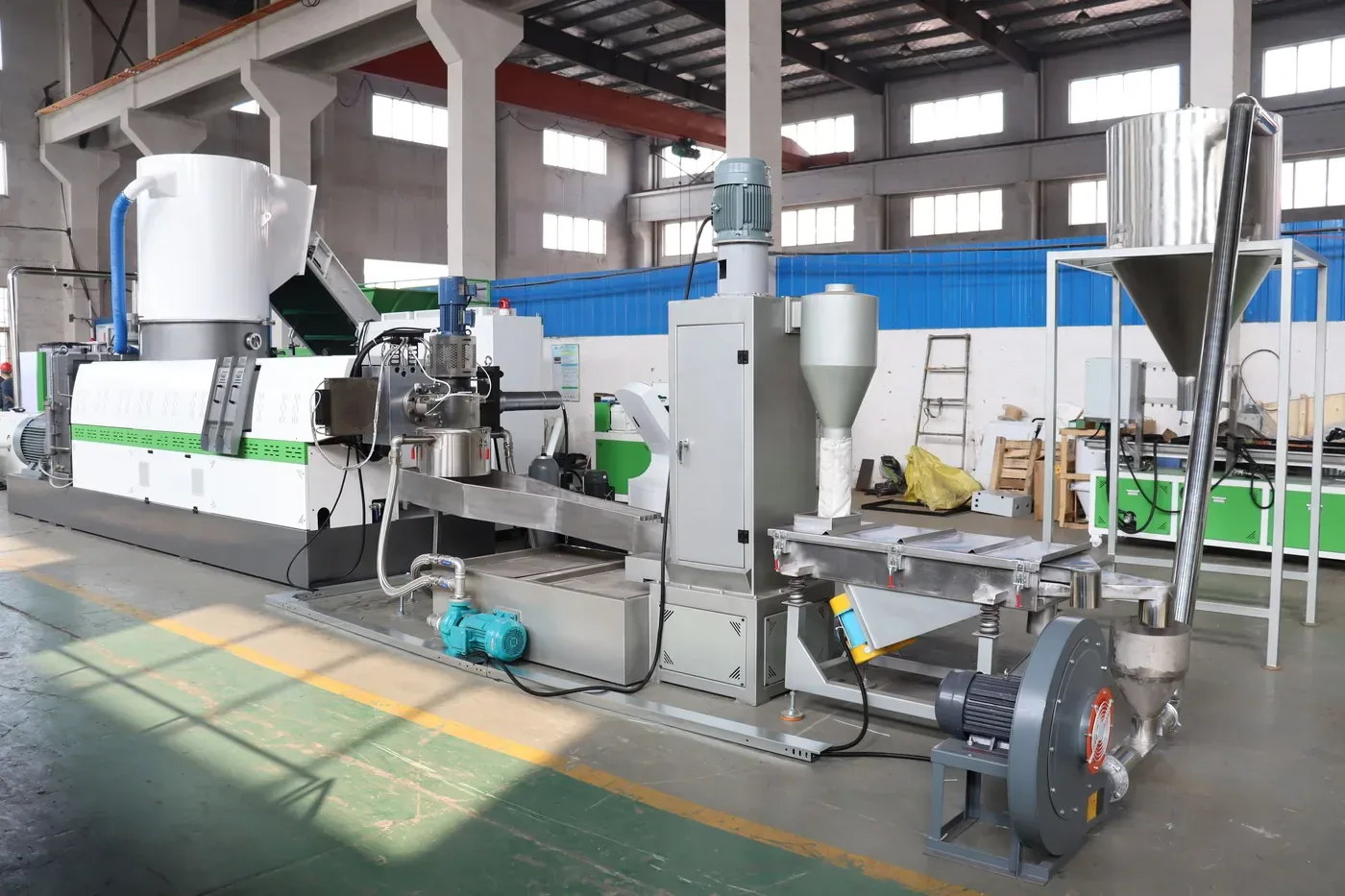
Retech supplied and commissioned an RM-1000 LDPE film washing pelletizing line in Kazakhstan for LDPE agriculture film with heavy soil, mud, sand, dust, and moisture. The line uses wet crushing, high speed friction washing, sink float washing, film squeezing, and two stage extrusion. During commissioning, the line reached 1200 kg/hr processing capacity and 1000 kg/hr final LDPE granule output, with 3% moisture after washing and 1% moisture after granulation.
Project Data
Project Overview
- Country
- Kazakhstan
- Input material
- LDPE agriculture film
- Main contamination
- Soil, mud, sand, dust, moisture
- Capacity
- 1000 kg/h
- System
- RHDJ150-30 single stage pelletizing line
- Target Output
- High quality LDPE granules
- Year
- 2025
Customer Challenge
The customer already operated an older LDPE film washing and recycling line. Market demand required higher capacity and an equipment upgrade. The difficult part was not only raising output. The input material was waste LDPE agriculture film with large amounts of soil and sand. The customer needed high material recovery in the washing process while keeping production capacity stable.
Retech signed the contract on the second day of the site visit. The customer compared factory details and product information, then selected the RM-1000 film recycling configuration.
Process Route
The Route Used in This Project
- 01 Belt conveyor with metal detector
- 02 Wet crusher
- 03 Double screw conveyor
- 04 High speed friction washer
- 05 Double screw conveyor
- 06 Sink float washing tank
- 07 Film squeezer
- 08 Storage hopper
- 09 Control cabinet
- 10 Screw conveyor
- 11 RHSJ200 main extruder
- 12 RHSJ200 second extruder
- 13 Hydraulic filtration system
- 14 Water ring cutting system
- 15 Dewatering machine
- 16 Vibrating screen
- 17 Storage silo
- 18 Electric panel
Washing Section Design
The washing section carries most of the impurity load in this project. Each unit has a specific role in removing soil, sand, and mud before the material reaches the extruder.
Metal Detection Before Crushing
A metal detector is installed on the belt conveyor before the crusher. Waste agriculture film can contain metal wire, nails, and metal packaging parts. Removing these items before crushing protects the crusher blades and reduces unplanned stops.
Wet Crusher
The crushing process uses water flushing. Water enters the crushing chamber during operation. This design supports high production capacity, gives the film an initial wash, and cools the knife shaft during long running periods. Sand and soil leave the crushing zone with the water flow instead of grinding against the blades.
High Speed Friction Washer
The high speed friction washer uses repeated collision and friction between the main shaft blades and the screen. Stubborn impurities attached to the film surface are separated in this stage. For Kazakhstan agriculture film with compacted mud and sand, this step reduces the load on the downstream washing tank.
Sink Float Washing Tank
The sink float washing tank performs a second deep wash. The rotor moves the film material up and down in the water. Heavy impurities settle while the film floats forward. This stage removes remaining sand and mud before dewatering.
Pelletizing Section Design
The pelletizing section starts after the film squeezer reduces free moisture. Stable feeding and moisture control are the two main conditions for consistent granule output.
Film Squeezer
The film squeezer uses pressure to separate material from moisture. The moisture content after squeezing is held within 3%. This step prepares the film for extrusion and reduces the drying load on the vacuum system.
Two Stage Extrusion
The line uses an RHSJ200 main extruder and an RHSJ200 second extruder. The dried film has already partly plasticized, so the line does not need a dense bin feeding scheme. Ordinary quantitative feeding supports the feeding process. The extruder is equipped with a vacuum system to remove remaining moisture and improve granule shape.
Hydraulic Filtration and Water Ring Cutting
The hydraulic mesh changing device supports automatic screen switching and simple operation. The water ring cutting system forms granules after filtration. A dewatering machine and vibrating screen complete the granule handling, and the finished material goes to the storage silo.
Verified Result
| Item | Result |
|---|---|
| Processing capacity | 1200 kg/hr |
| Final output | 1000 kg/hr |
| Moisture after washing | 3% |
| Moisture after granulation | 1% |
| Continuous operation | 12 to 24 hours per day |
The difference between 1200 kg/hr processing capacity and 1000 kg/hr granule output corresponds to removed soil, sand, impurities, and moisture. This gap is normal for high contamination LDPE agriculture film.
Project Proof
Installed Line and Equipment
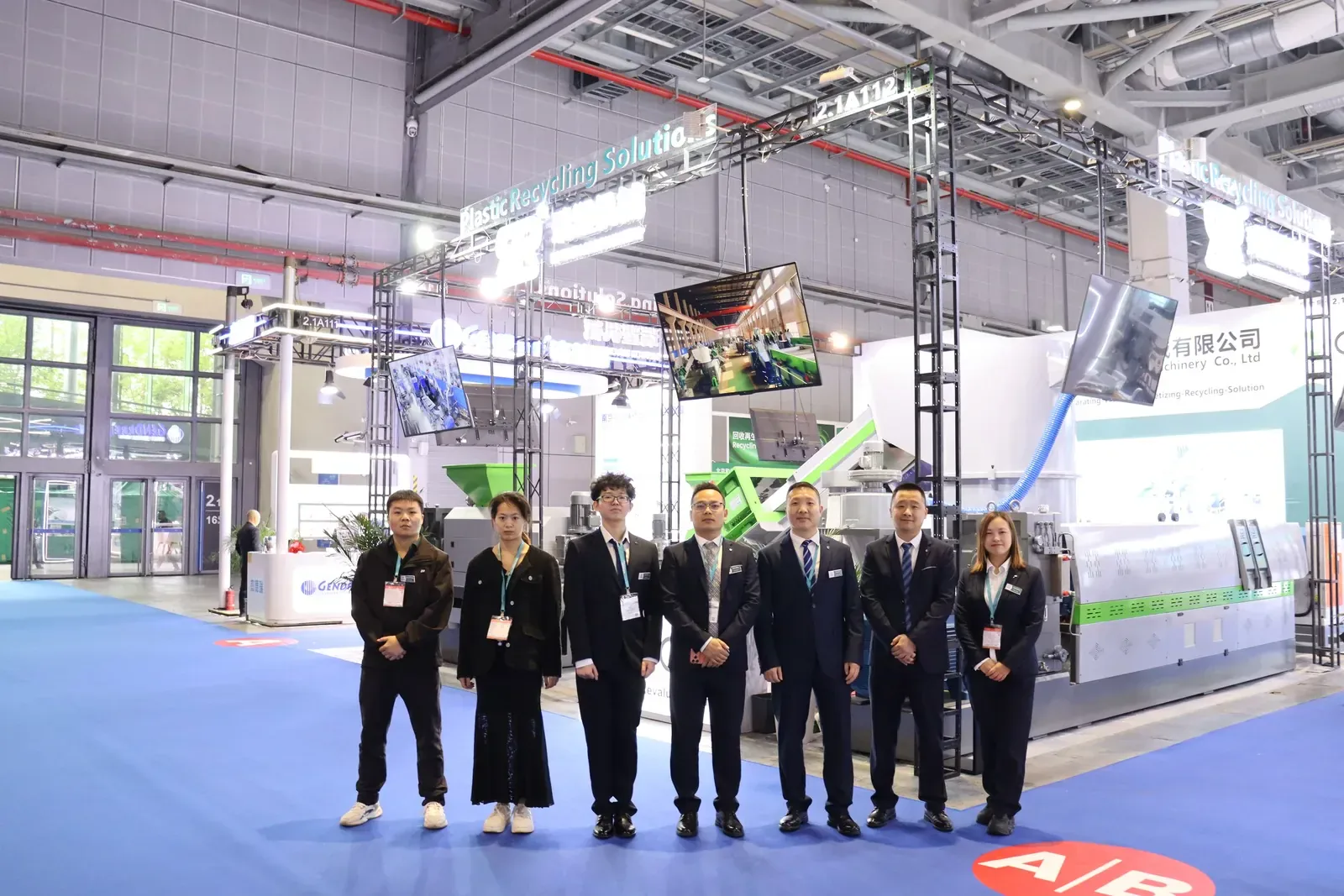
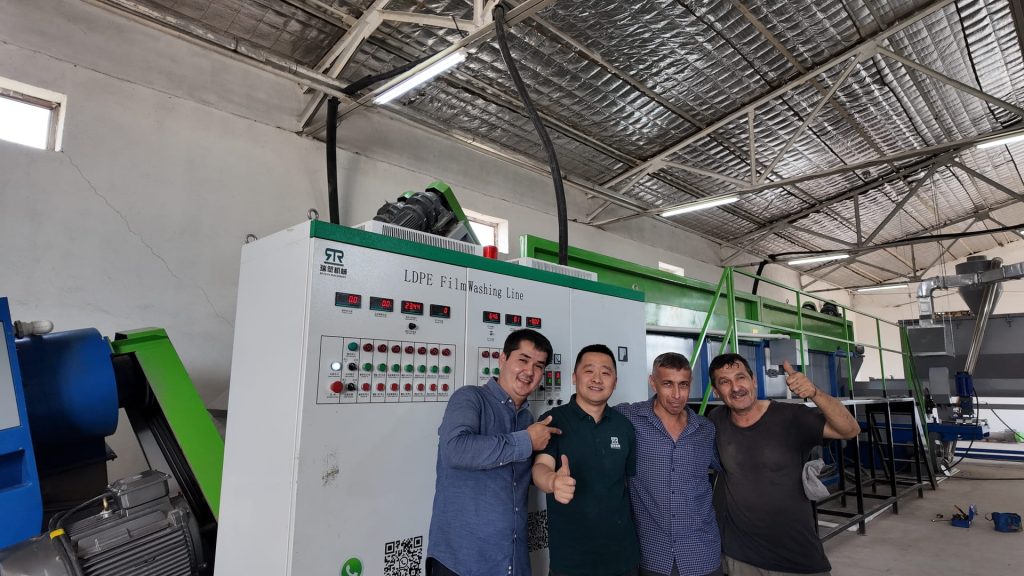
Project photography from this installation.