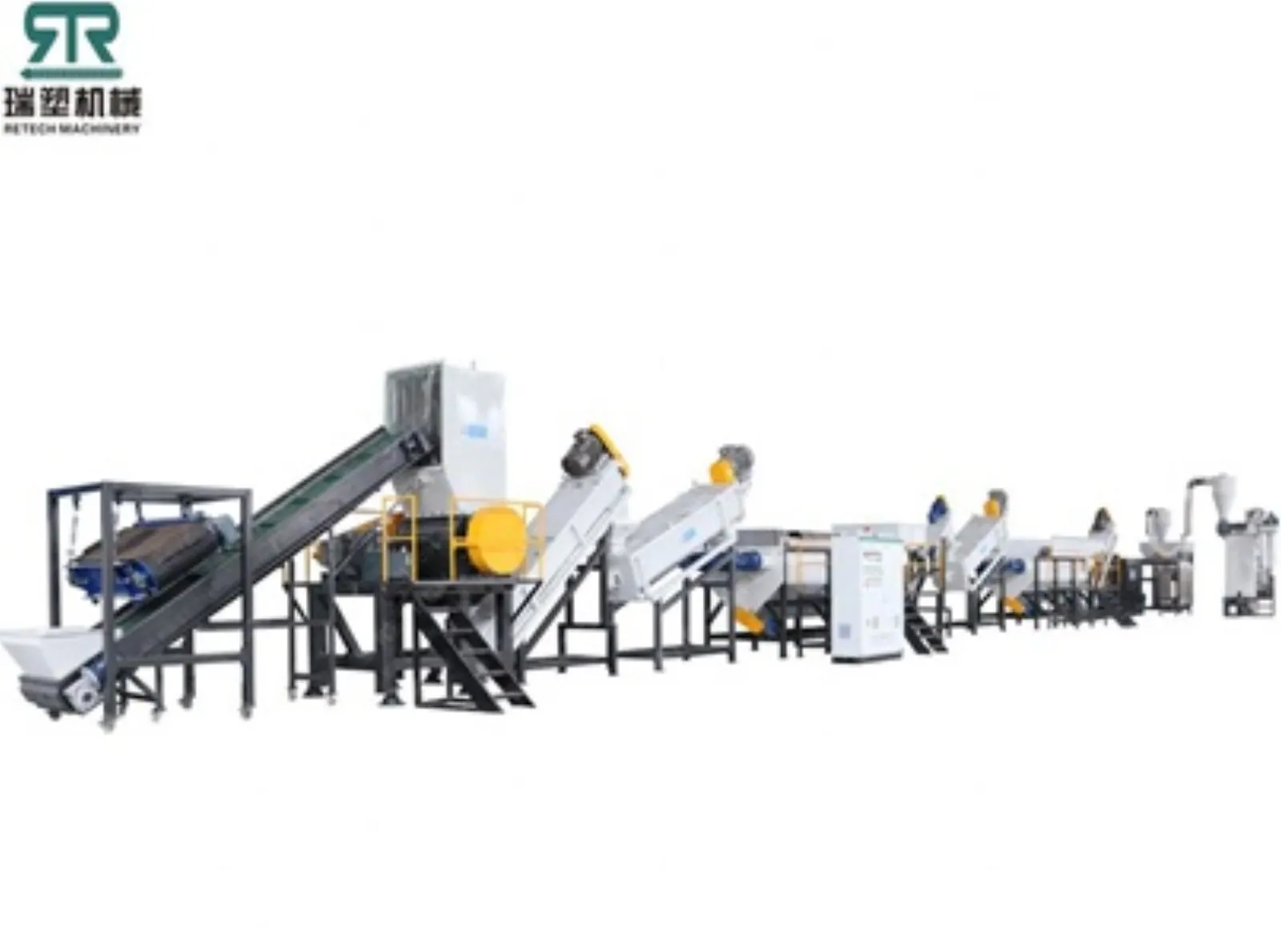
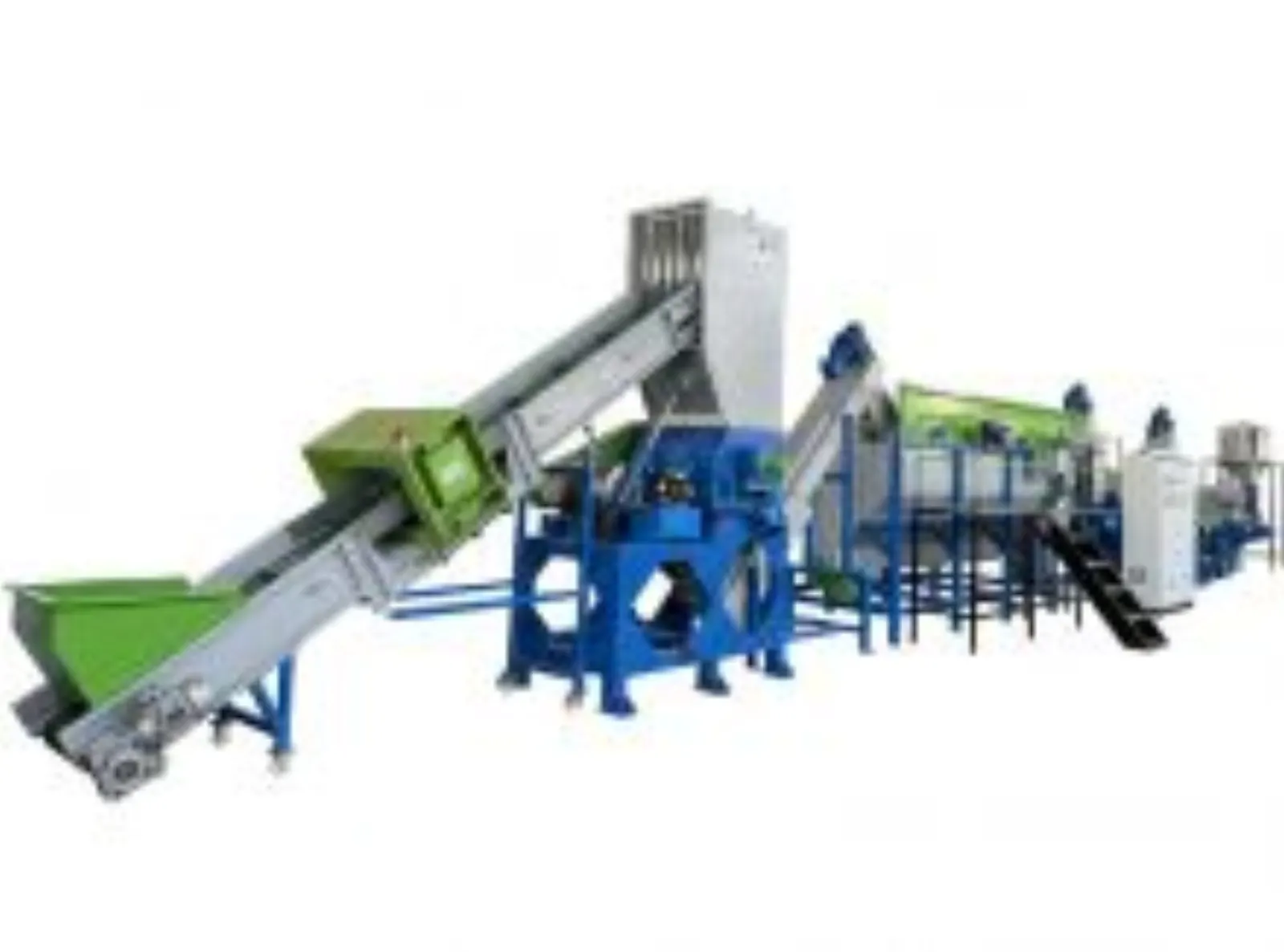
Plastic bottles are ubiquitous in our daily lives, but their widespread use has led to significant environmental challenges. With billions of plastic bottles produced annually, finding effective ways to recycle them has become crucial for reducing pollution and conserving resources. In this article, we'll explore the best possible methods for recycling plastic bottles, highlighting the role of plastic recycling machines in this process.
Thu gom và phân loại
The first step in recycling plastic bottles is efficient collection and sorting. This stage is crucial because the quality of recycled plastic largely depends on how well the bottles are sorted and cleaned.
- Collection Methods
Plastic bottles are collected through various methods, including curbside recycling programs, bottle return schemes, and public recycling bins. In some regions, deposit schemes incentivize consumers to return their plastic bottles for recycling, helping to reduce litter and increase recycling rates.
- Sorting Processes
Once collected, plastic bottles must be sorted based on the type of plastic they are made from. The most common type of plastic used in bottles is PET (polyethylene terephthalate), which needs to be separated from other types like HDPE (high-density polyethylene). Advanced máy tái chế nhựas equipped with sensors and AI technology can automatically sort plastics with high accuracy, reducing contamination and ensuring the quality of the recycled material.
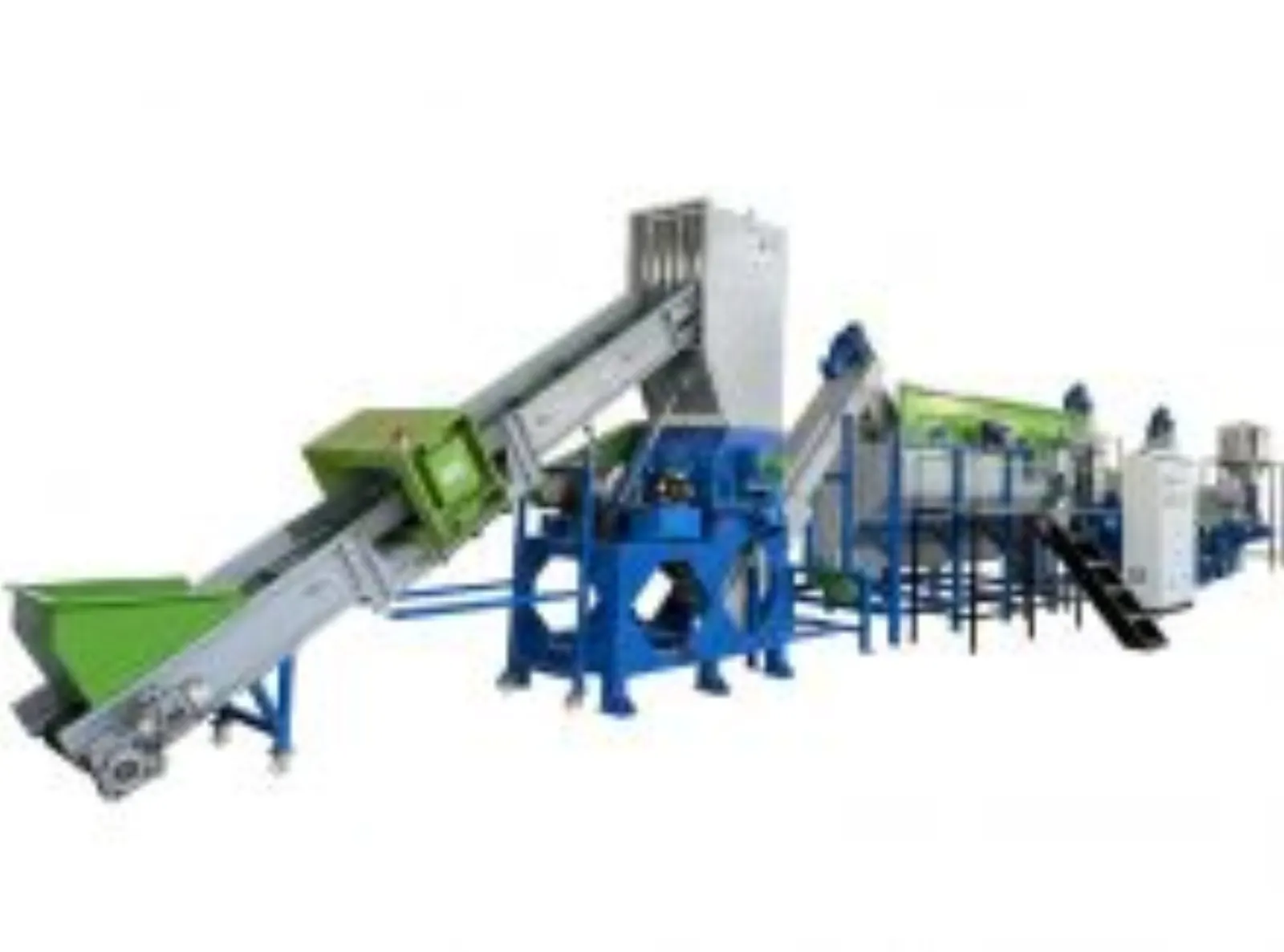
Mechanical Recycling Methods
Mechanical recycling is one of the most widely used methods for processing plastic bottles. This approach involves several stages, each of which plays a critical role in transforming waste plastic into usable products.
- Shredding and Granulation
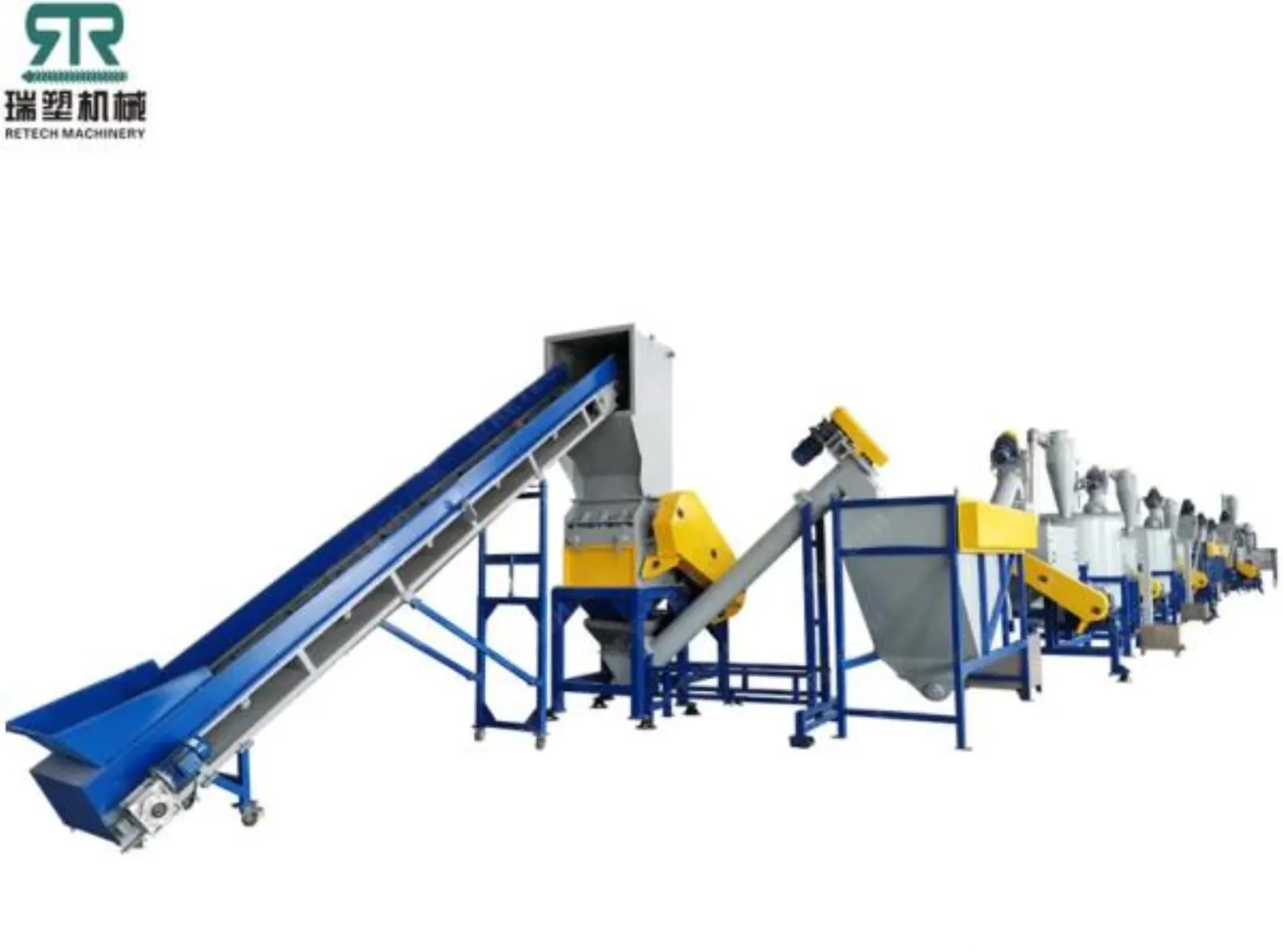
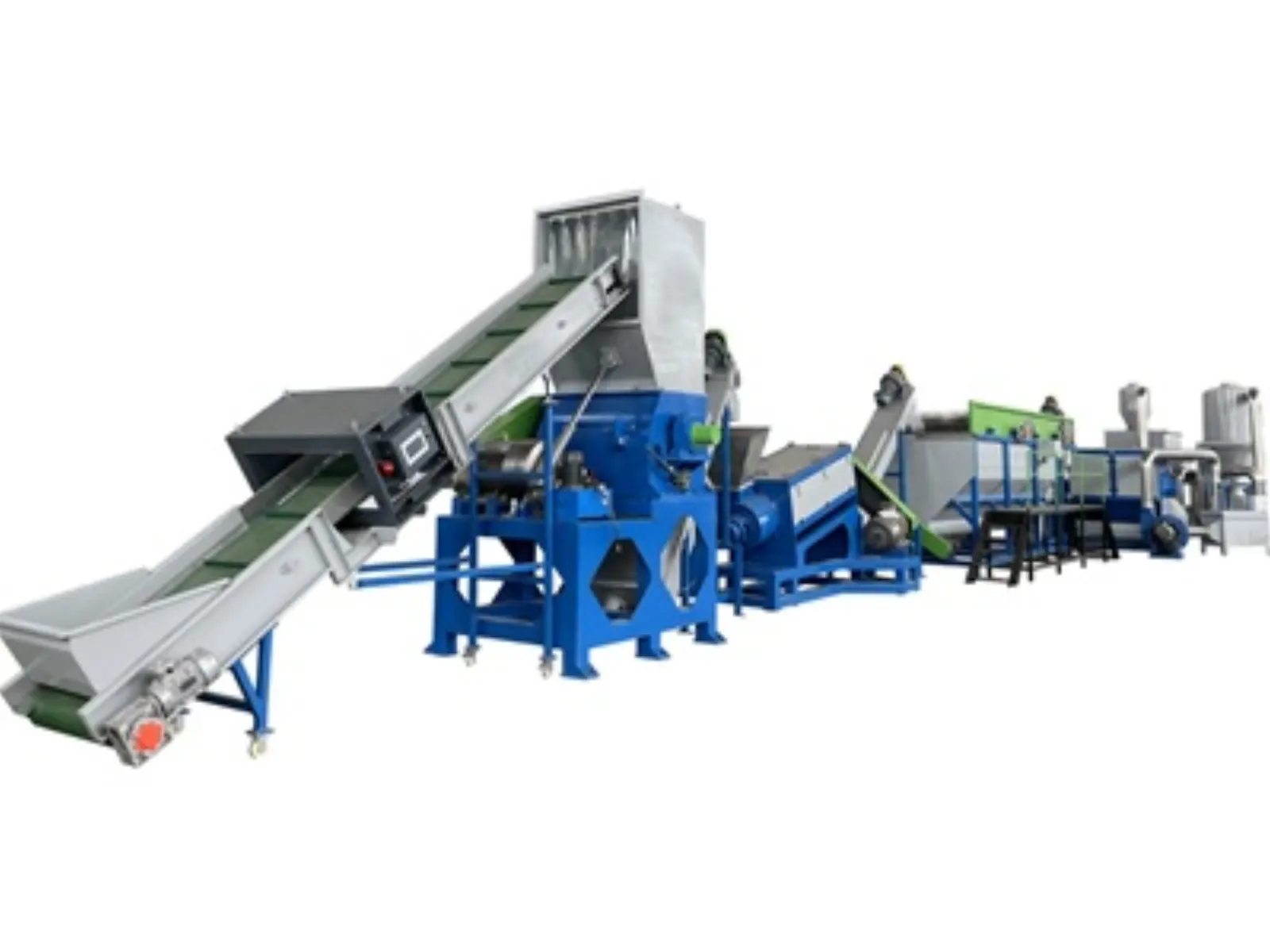
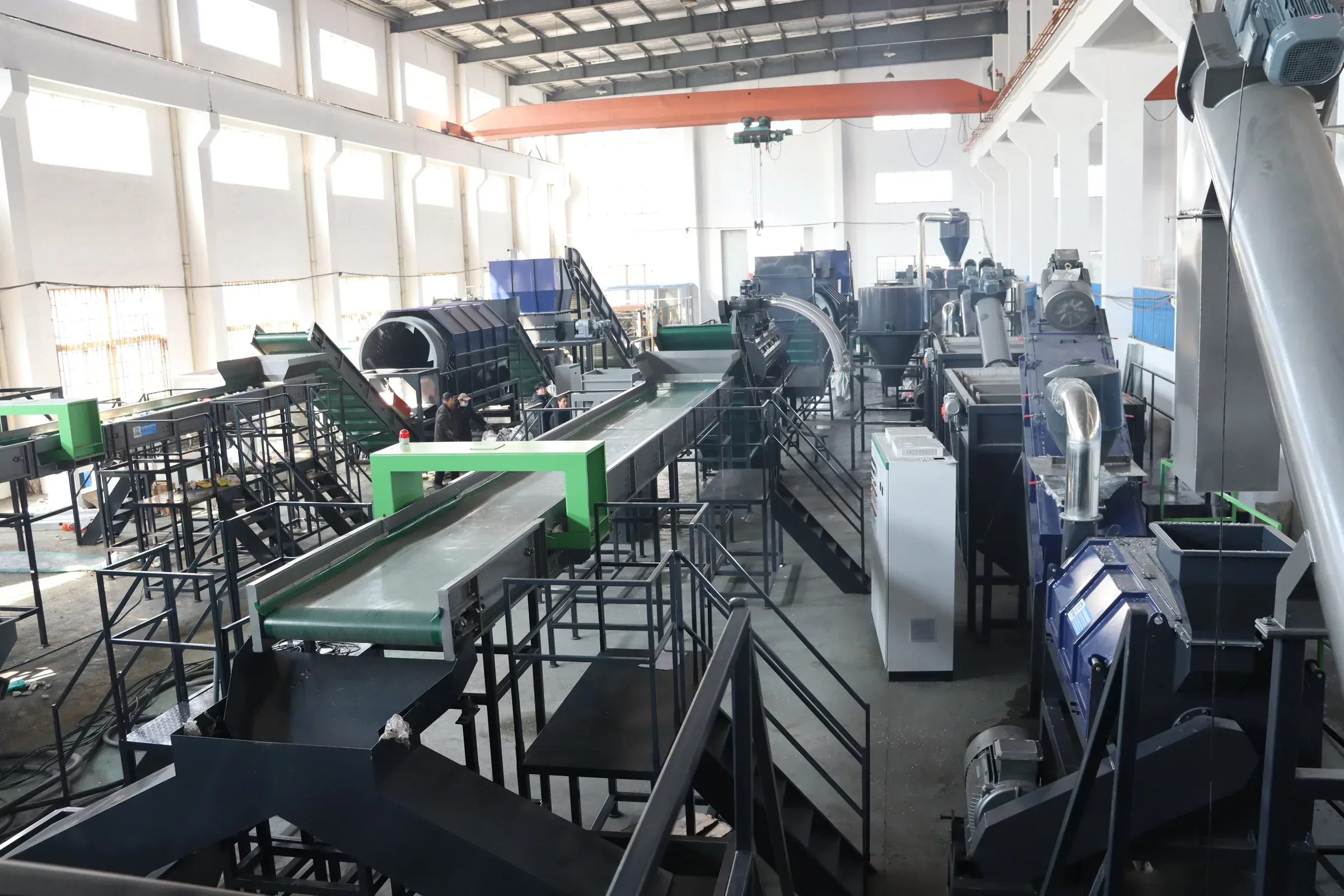
Plastic bottles are first fed into shredders, which cut them into smaller pieces. These pieces are then passed through granulators, which further reduce their size, making them easier to handle in subsequent processing stages. Plastic recycling machines designed for shredding and granulation are essential for breaking down plastic bottles efficiently and consistently.
- Washing and Drying
After shredding, the plastic pieces are washed to remove labels, adhesives, and other contaminants. This step is vital for ensuring that the recycled plastic is clean and of high quality. Once cleaned, the plastic is dried to prepare it for melting and extrusion. Specialized plastic recycling machines handle this washing and drying process, ensuring that the material is ready for reuse.
- Melting and Re-extrusion
The cleaned and dried plastic is then melted and re-extruded into pellets or new products. These pellets can be used to manufacture a wide range of items, from new plastic bottles to textiles and packaging materials. The precision and efficiency of plastic recycling machines in this stage determine the quality and consistency of the final recycled product.
Chemical Recycling Techniques
While mechanical recycling is effective, chemical recycling offers alternative methods for breaking down plastic bottles into their basic chemical components. This approach allows for the creation of high-quality recycled plastics that can be used in a broader range of applications.
- Depolymerization
Depolymerization involves breaking down plastic bottles into their monomers, which can then be repolymerized into new plastics. This process is particularly useful for creating high-quality recycled materials that are almost identical to virgin plastics.
- Pyrolysis and Gasification
Pyrolysis and gasification are chemical recycling methods that convert plastic waste into fuel or raw materials. These processes involve heating the plastic in the absence of oxygen to break it down into smaller molecules, which can then be used to produce energy or new products. Plastic recycling machines used in pyrolysis and gasification must be highly specialized to handle the complex reactions involved.
- Solvent-Based Recycling
In solvent-based recycling, plastic bottles are dissolved in solvents to recover pure polymers. This method is still in the early stages of development but holds promise for producing high-quality recycled plastics with minimal environmental impact.
Upcycling and Repurposing
In addition to traditional recycling methods, upcycling and repurposing offer creative ways to reuse plastic bottles.
- Creative Upcycling Ideas
Upcycling involves transforming plastic bottles into new, useful items. For example, plastic bottles can be repurposed into planters, furniture, or even construction materials. This approach not only reduces waste but also adds value by creating new products from discarded materials.
- Industrial Repurposing
On an industrial scale, plastic bottles can be repurposed into materials like building insulation, carpets, or textiles. These repurposing efforts often involve the use of plastic recycling machines to process the bottles into a form suitable for new applications.
Advanced Technologies and Innovations
The future of plastic bottle recycling lies in advanced technologies and innovations that can make the process more efficient and sustainable.
- AI and Robotics in Recycling
Artificial intelligence (AI) and robotics are revolutionizing the recycling industry. Plastic recycling machines equipped with AI can sort and process materials with unprecedented accuracy, reducing waste and improving the quality of recycled products.
- Biotechnology Solutions
Emerging biotechnology solutions, such as the development of enzymes that break down plastics, offer exciting possibilities for the future of recycling. These technologies could potentially make plastic bottle recycling more efficient and environmentally friendly.
- Circular Economy Approaches
Các phương pháp kinh tế tuần hoàn hướng tới việc tạo ra các hệ thống khép kín, nơi chai nhựa được tái chế liên tục thành các sản phẩm mới. Cách tiếp cận này đòi hỏi sự hợp tác chặt chẽ giữa nhà sản xuất, đơn vị tái chế và người tiêu dùng, được hỗ trợ bởi các máy tái chế nhựa tiên tiến có khả năng đáp ứng nhu cầu của nền kinh tế tuần hoàn.
Thách thức và Giải pháp
Mặc dù có nhiều cách hiệu quả để tái chế chai nhựa, nhưng vẫn còn một số thách thức cần được giải quyết để cải thiện tỷ lệ và kết quả tái chế.
- Tính khả thi về kinh tế
Một trong những thách thức chính trong việc tái chế chai nhựa là tính khả thi về kinh tế. Chi phí thu gom, phân loại và xử lý chai nhựa có thể rất cao, đặc biệt là khi xử lý các vật liệu bị nhiễm bẩn hoặc hỗn hợp. Tuy nhiên, những tiến bộ trong máy móc và công nghệ tái chế nhựa đang giúp giảm bớt các chi phí này và làm cho việc tái chế trở nên khả thi hơn về mặt kinh tế.
- Nhận thức và Sự tham gia của cộng đồng
Một thách thức khác là đảm bảo sự tham gia của công chúng vào các chương trình tái chế. Việc giáo dục người tiêu dùng về tầm quan trọng của việc tái chế và cách vứt bỏ chai nhựa đúng cách là rất quan trọng để tăng tỷ lệ tái chế.
- Chính sách và Quy định
Các chính sách và quy định của chính phủ đóng vai trò quan trọng trong việc thúc đẩy tái chế. Các sáng kiến thành công, chẳng hạn như chương trình hoàn tiền đặt cọc và lệnh cấm nhựa dùng một lần, đã chứng minh hiệu quả trong việc khuyến khích tái chế và giảm thiểu rác thải nhựa.
Kết luận
Tái chế chai nhựa là điều cần thiết để giảm tác động đến môi trường và bảo tồn tài nguyên. Từ các phương pháp tái chế cơ học và hóa học đến tái chế sáng tạo và các công nghệ tiên tiến, có rất nhiều cách hiệu quả để tái chế chai nhựa. Tuy nhiên, sự thành công của những nỗ lực này phụ thuộc vào việc áp dụng rộng rãi các phương pháp tốt nhất và sử dụng các máy tái chế nhựa tiên tiến để xử lý và tái sử dụng rác thải nhựa. Bằng cách áp dụng các phương pháp này, chúng ta có thể hướng tới một tương lai bền vững hơn, nơi chai nhựa được tái chế liên tục, giảm bớt gánh nặng cho hành tinh của chúng ta.
VỀ BẢN CẬP NHẬT NÀY
Được đăng bởi Đội ngũ Tiếp thị & Truyền thông Retech
Đội ngũ Tiếp thị & Truyền thông Retech công bố tin tức chính thức của công ty, thông tin triển lãm, cập nhật nhà máy, các cột mốc dự án và thông báo sản phẩm.
Đối với các câu hỏi kỹ thuật về hệ thống tái chế nhựa, vui lòng liên hệ với đội ngũ kỹ thuật của chúng tôi.