



High-Density Polyethylene (HDPE) drip irrigation tapes are essential in modern agriculture for delivering water directly to plant roots with high efficiency. Over time, these tapes can become clogged with sediment or physically damaged, requiring replacement. Traditionally, used drip tapes were discarded, contributing to environmental pollution. However, with the growing emphasis on sustainability, recycling HDPE drip irrigation tapes has emerged as an eco-friendly and economically practical solution.
This article explores the recycling process, the benefits of recycled HDPE pellets, their core properties, and wide-ranging industrial applications.
The HDPE Recycling Process: From Drip Tapes to Pellets
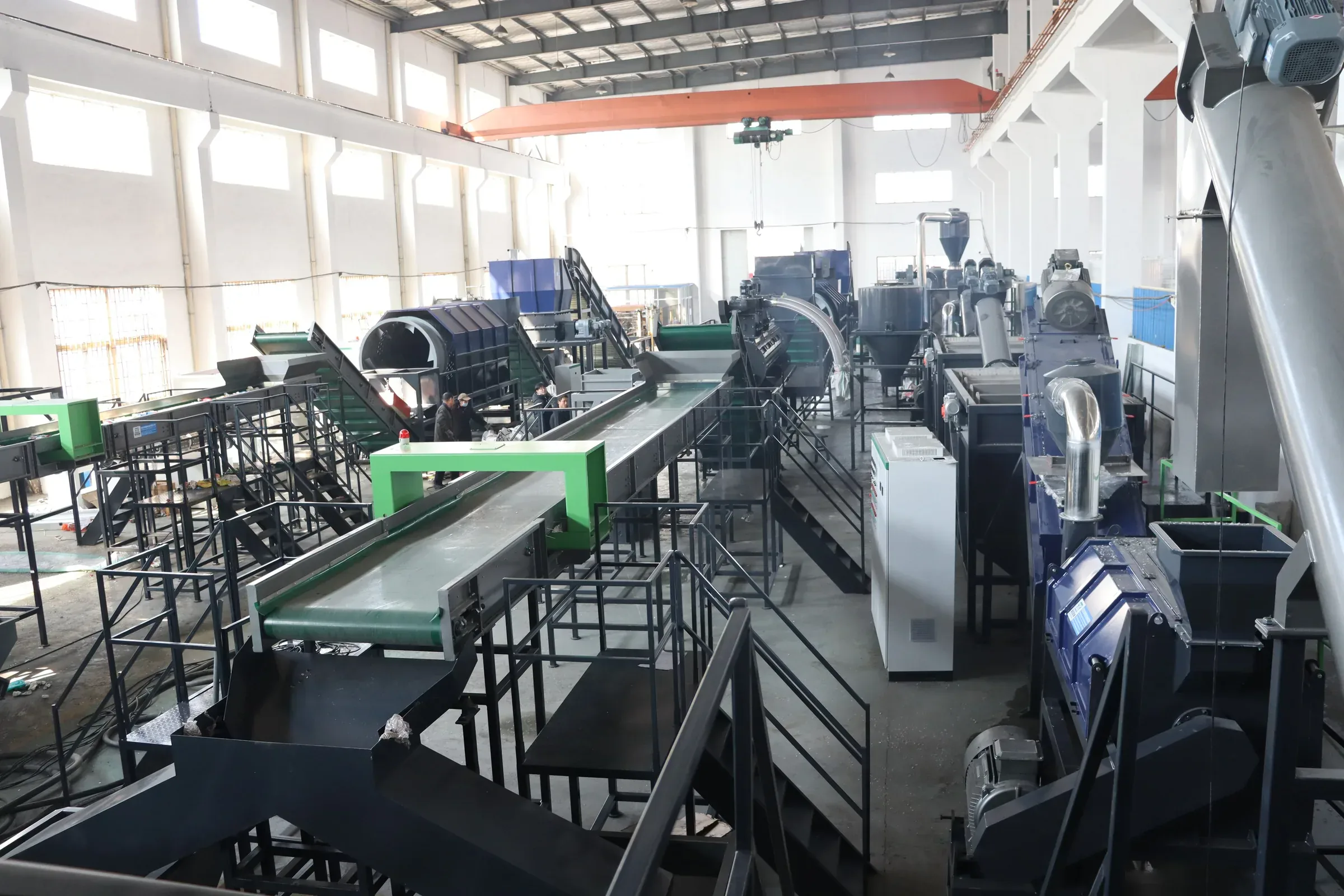
Recycling used HDPE drip tapes involves a systematic process to convert agricultural waste into reusable plastic material.
1. Collection and Sorting
The first step involves collecting used drip tapes from farms and sorting them to remove contaminants such as soil, gravel, metal debris, and non-HDPE plastics. Effective sorting is crucial to ensure high-quality recycled output.
2. Washing
Once sorted, the tapes are washed using high-pressure water jets and, if necessary, mild chemical solutions to eliminate any residues such as pesticides, fertilizers, or organic material. This step ensures the removal of impurities that can affect the quality of recycled pellets.
3. Shredding
The clean tapes are fed into industrial shredders, which reduce them into uniform plastic flakes. This increases surface area and makes the material easier to melt during the extrusion phase.
4. Extrusion and Pelletizing
The HDPE flakes are melted in a controlled environment using an extruder. The molten plastic is filtered to remove micro-contaminants and is then cut into small, uniform pellets. These recycled HDPE pellets are now ready for reuse in manufacturing.

Key Characteristics of Recycled HDPE Pellets
Recycled HDPE retains many of the physical and chemical properties of virgin HDPE, making it a reliable raw material for various industries.
Durability – Maintains high tensile strength and resistance to wear and tear.
Chemical Resistance – Inert to most acids, alkalis, and solvents.
Thermal Stability – Can withstand repeated processing without significant degradation.
Eco-Friendly – Reduces dependency on fossil-based raw materials and lowers greenhouse gas emissions.
These features make recycled HDPE a versatile and sustainable option for plastic manufacturers.
Environmental and Economic Value of Recycling HDPE Drip Tapes
Environmental Benefits
Recycling drip irrigation tapes helps reduce the volume of plastic waste that ends up in landfills or the environment. It conserves natural resources by minimizing the demand for virgin plastic production, which is energy-intensive and petroleum-based.
Cost Efficiency
For manufacturers, recycled HDPE pellets are a cost-effective alternative to virgin plastic. They help reduce production costs while maintaining product quality, especially in non-critical applications.
Contribution to Circular Economy
By transforming agricultural plastic waste into reusable raw materials, HDPE recycling supports a circular economy model—one where materials are reused and regenerated to extend their lifecycle.
Applications of Recycled HDPE Pellets
Recycled HDPE pellets are used in a variety of industries due to their versatility and performance.
1. Agriculture
Drip and sprinkler irrigation systems
Mulch films
Plant nursery trays and seedling pots
2. Packaging
Non-food grade bottles and containers
Plastic crates and bins
Strapping and wrapping films
3. Construction
Plastic lumber and decking materials
Drainage and cable protection pipes
Geomembranes for landfills and ponds
4. Consumer Goods
Garden tools and outdoor furniture
Storage solutions and containers
Toys and utility products
These applications demonstrate that recycled HDPE can meet the needs of both low- and medium-performance plastic products across multiple sectors.

A Sustainable Path Forward
Recycling HDPE drip irrigation tapes into high-quality pellets not only supports environmental sustainability but also enhances economic value across various sectors. The resulting pellets maintain excellent mechanical and chemical properties, making them suitable for a wide range of applications.
By embracing HDPE recycling, agricultural businesses, plastic manufacturers, and industrial sectors can play an active role in reducing environmental impact and contributing to a greener, more sustainable future.
This article is carried over from the Retech technical archive and keeps its original URL.
ABOUT THIS UPDATE
Published by Retech Marketing & Communications Team
The Retech Marketing & Communications Team publishes official company news, exhibition information, factory updates, project milestones and product announcements.
For technical questions about plastic recycling systems, please contact our engineering team.

