

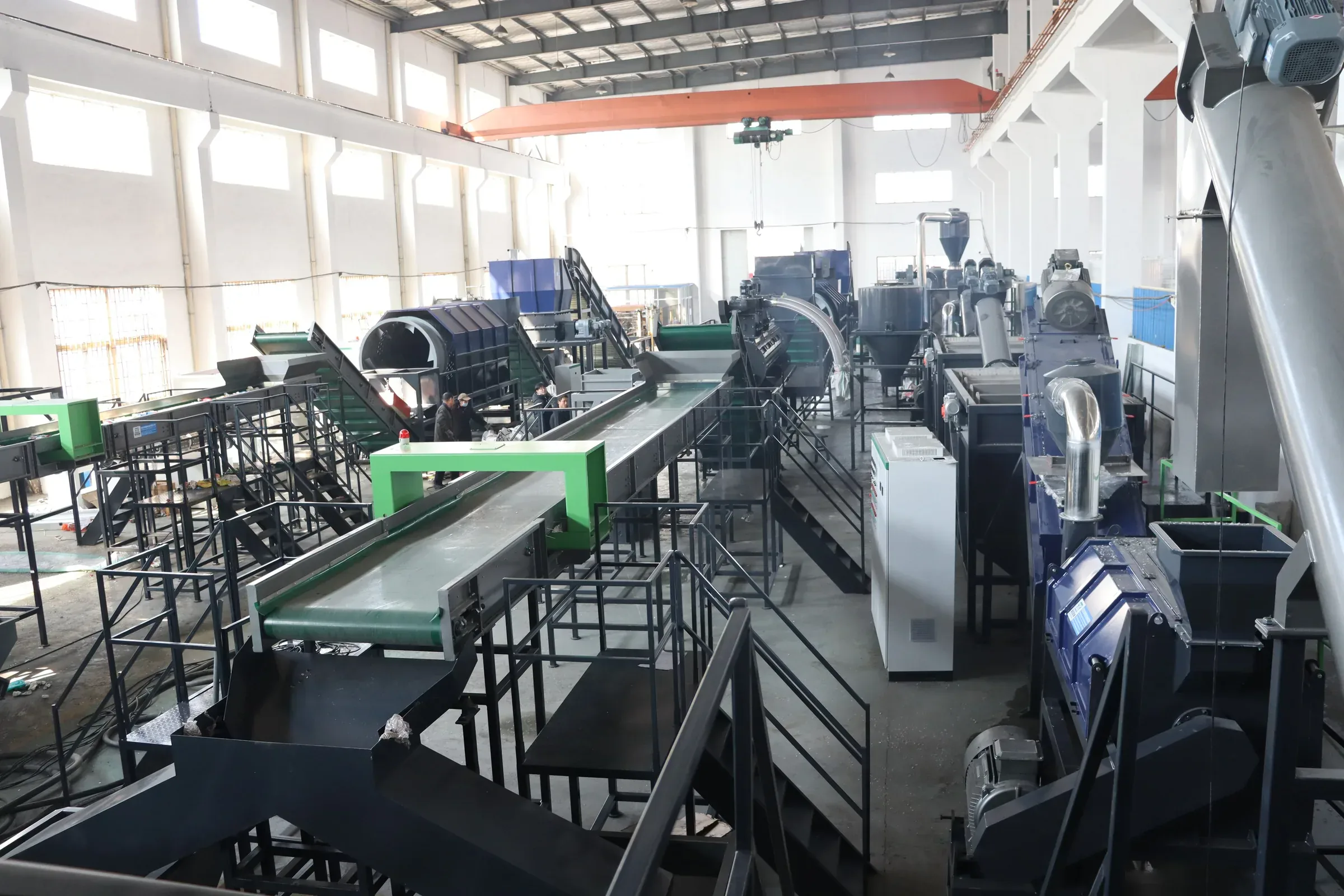



Plastic bottles are ubiquitous in our daily lives, but their widespread use has led to significant environmental challenges. With billions of plastic bottles produced annually, finding effective ways to recycle them has become crucial for reducing pollution and conserving resources. In this article, we'll explore the best possible methods for recycling plastic bottles, highlighting the role of plastic recycling machines in this process.
Collection and Sorting
The first step in recycling plastic bottles is efficient collection and sorting. This stage is crucial because the quality of recycled plastic largely depends on how well the bottles are sorted and cleaned.
- Collection Methods
Plastic bottles are collected through various methods, including curbside recycling programs, bottle return schemes, and public recycling bins. In some regions, deposit schemes incentivize consumers to return their plastic bottles for recycling, helping to reduce litter and increase recycling rates.
- Sorting Processes
Once collected, plastic bottles must be sorted based on the type of plastic they are made from. The most common type of plastic used in bottles is PET (polyethylene terephthalate), which needs to be separated from other types like HDPE (high-density polyethylene). Advanced plastic recycling machines equipped with sensors and AI technology can automatically sort plastics with high accuracy, reducing contamination and ensuring the quality of the recycled material.

Mechanical Recycling Methods
Mechanical recycling is one of the most widely used methods for processing plastic bottles. This approach involves several stages, each of which plays a critical role in transforming waste plastic into usable products.
- Shredding and Granulation
Plastic bottles are first fed into shredders, which cut them into smaller pieces. These pieces are then passed through granulators, which further reduce their size, making them easier to handle in subsequent processing stages. Plastic recycling machines designed for shredding and granulation are essential for breaking down plastic bottles efficiently and consistently.
- Washing and Drying
After shredding, the plastic pieces are washed to remove labels, adhesives, and other contaminants. This step is vital for ensuring that the recycled plastic is clean and of high quality. Once cleaned, the plastic is dried to prepare it for melting and extrusion. Specialized plastic recycling machines handle this washing and drying process, ensuring that the material is ready for reuse.
- Melting and Re-extrusion
The cleaned and dried plastic is then melted and re-extruded into pellets or new products. These pellets can be used to manufacture a wide range of items, from new plastic bottles to textiles and packaging materials. The precision and efficiency of plastic recycling machines in this stage determine the quality and consistency of the final recycled product.
Chemical Recycling Techniques
While mechanical recycling is effective, chemical recycling offers alternative methods for breaking down plastic bottles into their basic chemical components. This approach allows for the creation of high-quality recycled plastics that can be used in a broader range of applications.
- Depolymerization
Depolymerization involves breaking down plastic bottles into their monomers, which can then be repolymerized into new plastics. This process is particularly useful for creating high-quality recycled materials that are almost identical to virgin plastics.
- Pyrolysis and Gasification
Pyrolysis and gasification are chemical recycling methods that convert plastic waste into fuel or raw materials. These processes involve heating the plastic in the absence of oxygen to break it down into smaller molecules, which can then be used to produce energy or new products. Plastic recycling machines used in pyrolysis and gasification must be highly specialized to handle the complex reactions involved.
- Solvent-Based Recycling
In solvent-based recycling, plastic bottles are dissolved in solvents to recover pure polymers. This method is still in the early stages of development but holds promise for producing high-quality recycled plastics with minimal environmental impact.
Upcycling and Repurposing
In addition to traditional recycling methods, upcycling and repurposing offer creative ways to reuse plastic bottles.
- Creative Upcycling Ideas
Upcycling involves transforming plastic bottles into new, useful items. For example, plastic bottles can be repurposed into planters, furniture, or even construction materials. This approach not only reduces waste but also adds value by creating new products from discarded materials.
- Industrial Repurposing
On an industrial scale, plastic bottles can be repurposed into materials like building insulation, carpets, or textiles. These repurposing efforts often involve the use of plastic recycling machines to process the bottles into a form suitable for new applications.

Advanced Technologies and Innovations
The future of plastic bottle recycling lies in advanced technologies and innovations that can make the process more efficient and sustainable.
- AI and Robotics in Recycling
Artificial intelligence (AI) and robotics are revolutionizing the recycling industry. Plastic recycling machines equipped with AI can sort and process materials with unprecedented accuracy, reducing waste and improving the quality of recycled products.
- Biotechnology Solutions
Emerging biotechnology solutions, such as the development of enzymes that break down plastics, offer exciting possibilities for the future of recycling. These technologies could potentially make plastic bottle recycling more efficient and environmentally friendly.
- Circular Economy Approaches
Circular economy approaches aim to create closed-loop systems where plastic bottles are continuously recycled into new products. This approach requires close collaboration between manufacturers, recyclers, and consumers, supported by advanced plastic recycling machines that can handle the demands of a circular economy.
Challenges and Solutions
While there are many effective ways to recycle plastic bottles, several challenges must be addressed to improve recycling rates and outcomes.
- Economic Viability
One of the main challenges in plastic bottle recycling is economic viability. The cost of collecting, sorting, and processing plastic bottles can be high, especially when dealing with contaminated or mixed materials. However, advances in plastic recycling machines and technology are helping to reduce these costs and make recycling more economically feasible.
- Public Awareness and Participation
Another challenge is ensuring public participation in recycling programs. Educating consumers about the importance of recycling and how to properly dispose of plastic bottles is crucial for increasing recycling rates.
- Policy and Regulation
Government policies and regulations play a vital role in promoting recycling. Successful initiatives, such as deposit return schemes and bans on single-use plastics, have proven effective in encouraging recycling and reducing plastic waste.
Conclusion
Recycling plastic bottles is essential for reducing environmental impact and conserving resources. From mechanical and chemical recycling methods to creative upcycling and advanced technologies, there are many effective ways to recycle plastic bottles. However, the success of these efforts depends on the widespread adoption of best practices and the use of advanced plastic recycling machines to process and repurpose plastic waste. By embracing these approaches, we can work towards a more sustainable future where plastic bottles are continuously recycled, reducing the burden on our planet.
This article is carried over from the Retech technical archive and keeps its original URL.
ABOUT THIS UPDATE
Published by Retech Marketing & Communications Team
The Retech Marketing & Communications Team publishes official company news, exhibition information, factory updates, project milestones and product announcements.
For technical questions about plastic recycling systems, please contact our engineering team.

