


The global demand for sustainable practices has intensified the need for efficient recycling systems. One of the most significant advancements in this realm is the PET bottle recycling line. Polyethylene Terephthalate (PET) is a type of plastic commonly used in beverage bottles, and its recycling process plays a crucial role in reducing environmental impact. This article delves into the various characteristics of PET bottle recycling lines, exploring their technology, efficiency, and importance in the modern recycling landscape.
The Importance of PET Recycling
PET is one of the most widely used plastics due to its durability, versatility, and recyclability. Recycling PET bottles not only conserves resources but also significantly reduces the amount of waste in landfills and oceans. This process also lowers greenhouse gas emissions, contributing to a more sustainable environment. The PET recycling industry has grown exponentially, with technological advancements enhancing the efficiency and effectiveness of the recycling process.
Components of a PET Bottle Recycling Line
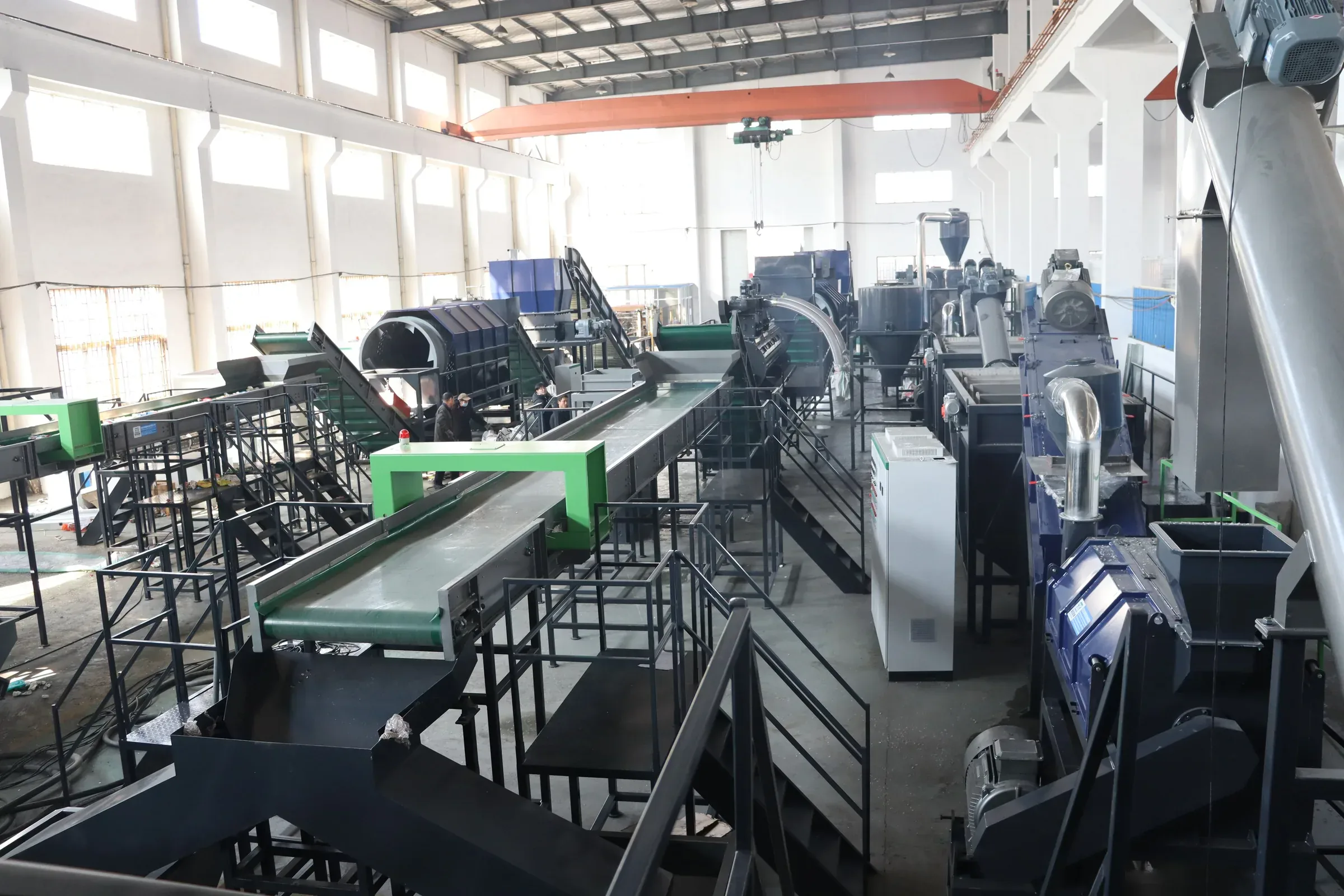
A PET bottle recycling line consists of several key components, each playing a vital role in transforming used bottles into reusable material. The primary components include:
- Sorting System
The sorting system is the first step in the recycling process. It separates PET bottles from other types of plastic and contaminants. Advanced sorting technologies, such as near-infrared (NIR) sensors and optical sorters, ensure high precision and efficiency, reducing the risk of contamination in the recycling stream.
- Shredding and Size Reduction
After sorting, the PET bottles are shredded into smaller pieces, known as flakes. This size reduction is crucial for the subsequent cleaning process. Modern shredders are designed to handle high volumes of bottles, optimizing throughput and minimizing energy consumption.
- Washing System
The washing system removes labels, adhesives, dirt, and other contaminants from the PET flakes. This stage typically involves several washing steps, including hot and cold washing, friction washing, and chemical washing. Each step is essential to ensure the final recycled PET is of high purity and quality.
- Separation Processes
During the washing stage, additional separation processes, such as float-sink separation and air classification, help remove remaining impurities. These processes exploit the density differences between PET and contaminants, ensuring that only clean PET flakes proceed to the next stage.
- Drying
The cleaned PET flakes must be thoroughly dried before further processing. Efficient drying systems use hot air or vacuum drying techniques to remove moisture, preparing the flakes for extrusion or pelletizing.
- Extrusion and Pelletizing
In the final stages, the dried PET flakes are melted and extruded into pellets. These pellets, known as recycled PET (rPET), can be used to manufacture new products, closing the recycling loop. Advanced extrusion technologies ensure uniformity and high quality in the final product.
Technological Advancements in PET Recycling
Technological innovations have significantly improved the PET recycling process, making it more efficient and environmentally friendly. Some notable advancements include:
- Improved Sorting Technologies
The integration of AI and machine learning in sorting systems has enhanced the accuracy of separating PET bottles from other materials. These technologies can adapt to varying types of waste, improving overall efficiency.
- Energy-Efficient Machinery
Modern recycling lines are designed to minimize energy consumption while maximizing output. Innovations in shredding, washing, and drying equipment have reduced the carbon footprint of the recycling process.
- Chemical Recycling
In addition to mechanical recycling, chemical recycling methods are gaining traction. These methods break down PET into its monomers, which can then be purified and re-polymerized into new PET. Chemical recycling can handle contaminated PET that is unsuitable for mechanical recycling, further expanding the scope of PET recycling.
Quality Control in PET Recycling
Maintaining high quality in recycled PET is crucial for its reuse in manufacturing. Quality control measures are implemented at various stages of the recycling process:
- Contaminant Detection
Advanced sensors and analytical instruments detect and quantify contaminants in PET flakes. Ensuring low levels of contamination is vital for producing high-quality rPET.
- Intrinsic Viscosity (IV) Testing
The intrinsic viscosity of PET is a measure of its molecular weight and mechanical properties. IV testing ensures that the recycled PET meets the required standards for its intended applications.
- Color and Clarity Assessment
Recycled PET should have consistent color and clarity, especially for applications in the food and beverage industry. Spectrophotometers and visual inspection systems are used to monitor these parameters.
Environmental and Economic Benefits
The PET bottle recycling line offers significant environmental and economic benefits. Recycling PET reduces the demand for virgin plastic, conserving natural resources such as petroleum. It also decreases the energy required for plastic production, resulting in lower greenhouse gas emissions. Economically, the recycling industry creates jobs and generates revenue through the sale of recycled materials.
Challenges and Future Prospects
Despite its advantages, the PET recycling industry faces several challenges:
- Contamination
Contamination remains a significant issue, affecting the quality and marketability of recycled PET. Ongoing research and development aim to improve contamination detection and removal technologies.
- Market Fluctuations
The market for recycled PET can be volatile, influenced by the prices of virgin PET and other economic factors. Developing stable markets and increasing the demand for rPET are crucial for the industry's growth.
- Regulatory Support
Government policies and regulations play a critical role in promoting PET recycling. Strong regulatory frameworks can incentivize recycling and support the development of infrastructure and technology.
Looking ahead, the future of PET recycling appears promising. Continued innovation, combined with increased consumer awareness and regulatory support, will drive the industry towards greater efficiency and sustainability.
Conclusion
The PET bottle recycling line is a cornerstone of modern waste management and sustainability efforts. By transforming used PET bottles into high-quality recycled materials, these recycling lines help conserve resources, reduce environmental impact, and support economic growth. As technology advances and the demand for sustainable practices grows, PET recycling will continue to evolve, playing an increasingly vital role in our quest for a greener future.
This article is carried over from the Retech technical archive and keeps its original URL.
ABOUT THIS UPDATE
Published by Retech Marketing & Communications Team
The Retech Marketing & Communications Team publishes official company news, exhibition information, factory updates, project milestones and product announcements.
For technical questions about plastic recycling systems, please contact our engineering team.

