


PE Film Washing Recycling Line
Working Flow
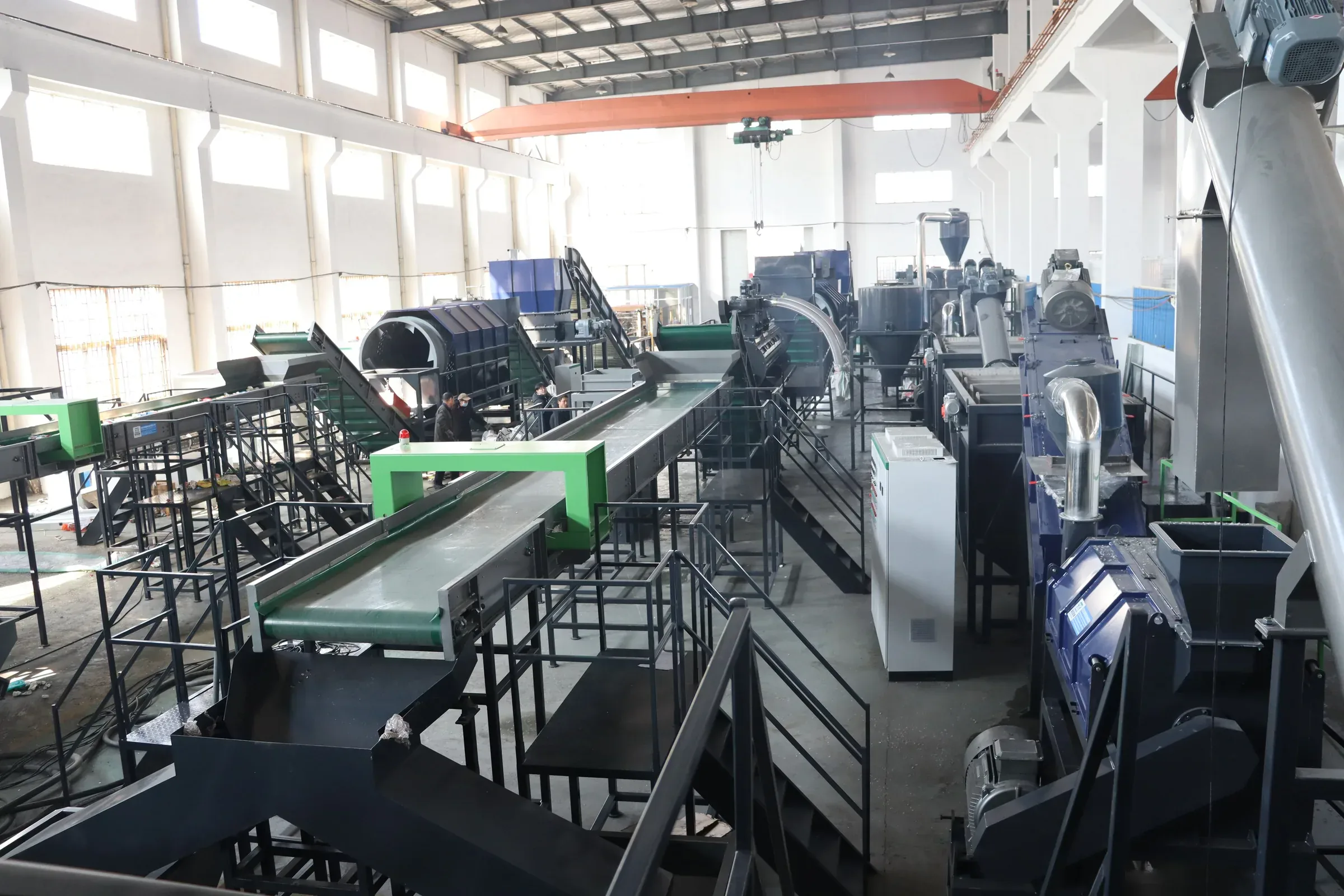
The recycling process of a PE film washing line involves several crucial steps to ensure the effective recycling of plastic materials. These steps are:
Sorting
Shredding
Crushing
Washing
Drying
Sorting:The process starts with sorting the plastic material. The recycling sorting company first sorts the plastic materials. Different types of plastics are separated and baled into plastic bricks. These bricks are then sent to the next stage for deep recycling. This initial sorting is essential to ensure that the recycling process is efficient and that different types of plastics are processed correctly.
Shredding:After sorting, the plastic materials are shredded. Shredding is the process of cutting the plastic into smaller pieces, making it easier to handle and process in subsequent stages. This step is crucial for reducing the size of the plastic materials, which helps in improving the efficiency of the crushing and washing processes.
Material Applicable
The PE film washing recycling line is designed to handle various types of plastic materials, including:
LDPE agricultural film
LLDPE stretch film
PP woven bags
PP jumbo big bags
These materials are commonly used in agriculture, packaging, and industrial applications, making them significant targets for recycling.
Final Washed Material Index
The final washed material from the recycling line has specific characteristics, which include:
Capacity Range: 300kg/hr - 2000kg/hr
Humidity: 3% - 5%
These indices are important for ensuring the recycled material is of high quality and meets industry standards for further processing or use.
Main Sections of a PP PE Film Washing Line
A PE film washing recycling line consists of several main sections, each with specific functions and features to ensure efficient recycling of plastic materials.
Belt Conveyor:
The belt conveyor is the first section in the recycling line. It has the following features:
Height: Adjustable
Control: Frequency control
Equipped with anti-dust strip
Metal detector as an optional feature for detecting metals
Function: The belt conveyor is used to convey the waste plastic material to the next stage in the recycling process. The adjustable height and frequency control ensure that the conveyor operates efficiently, while the anti-dust strip and optional metal detector enhance its performance and safety.
Crusher (Wet Crushing):
The crusher is a critical component of the recycling line, with the following specifications:
- Blades Material: SKD-11 (D2)
- Blade Frame: Available in “V” shape and “Cross” type
- Rotor: Tempered for strength and long life
- Crushing Method: Wet crushing to reduce blade wear and increase capacity
- Bearings: Uses SKF, a world-famous bearing brand
- Function: The crusher cuts long and large plastic materials into small flakes. Wet crushing is more efficient as it reduces blade wear and increases capacity. The use of high-quality materials and bearings ensures the crusher operates effectively and has a long service life.
- High-Speed Friction Washer:
The high-speed friction washer is essential for cleaning plastic flakes. Its features include:
- Rotor: Dynamically balanced
- Mesh: Made of stainless steel 304
- Water Connection: Pipeline system for spraying the mesh
Function: The high-speed friction washer is crucial for a plastic washing line. It is usually placed before or after a sinking floating wash tank for different purposes. When placed before the floating washer, it reduces the amount of dirt entering the tank and keeps the water cleaner. When placed after the floating washer, it helps improve and control the moisture content of the final film flakes.
Floating Sinking Wash Tank:
The floating sinking wash tank is used for thorough washing of plastic materials. Its features include:
- Material: Made of stainless steel 304 with a wall thickness of 3mm
- Speed Control: Inverter-controlled
- Design: Conical dirt discharge with a valve door for easy drainage
Function: This tank immerses and washes the dirty plastic materials through friction. Different designs of plastic floating tanks are available, such as 3-shaft floating tanks, 4-shaft washing tanks, and plastic hot washer tanks. The conical dirt discharge design ensures easy removal of drainage, enhancing the tank's efficiency.
Squeezing Machine:
The squeezing machine is designed to reduce the water content of washed plastic materials. Its features include:
- Noise: Low noise operation
- Footprint: Small floor area with low energy consumption
- Material: Screw/Barrel made of 38 CrMoA1A, nitrided for long life
- Moulds: Independent PP/PE die moulds for easy switching
- Humidity: Final moisture content below 3%, ideal for granulating in the next step
- Speed Control: Inverter-controlled
- Function: The squeezing machine uses the latest screw/barrel design to reduce water content to below 3%, saving power and increasing capacity. The low noise and small footprint make it an efficient and convenient component of the recycling line.
- Centrifugal Dryer:
The centrifugal dryer is used for further drying the plastic flakes. Its features include:
- Speed: 1500 RPM
- Screen: Octagonal design to reduce water moisture
- Rotor: Friction block design for easy replacement and increased force
- Cleaner: Air-mesh cleaner
- Filtration: Water-powder collection filtration system
- Function: The high-speed rotor improves the drying performance by using centrifugal force. The special rotor and screen design maximize water reduction from the film. The dryer features twice electric heating with pipes, enhancing its drying efficiency.
Summary
The design of an LDPE film washing line is flexible and can be customized according to the specific conditions of the materials being recycled. Retech can design a recycling line tailored to your needs, ensuring that the process is efficient and the final recycled materials meet industry standards.
This comprehensive approach ensures that the PE film washing recycling line is efficient, cost-effective, and capable of producing high-quality recycled plastic materials.
This article is carried over from the Retech technical archive and keeps its original URL.
ABOUT THIS UPDATE
Published by Retech Marketing & Communications Team
The Retech Marketing & Communications Team publishes official company news, exhibition information, factory updates, project milestones and product announcements.
For technical questions about plastic recycling systems, please contact our engineering team.


