



In a world increasingly focused on sustainability, the bottle-to-bottle PET recycling process stands as a beacon of environmental responsibility. This innovative process involves transforming used PET (polyethylene terephthalate) plastic bottles into new bottles, creating a closed loop for plastic materials. Let's embark on a journey into the intricacies of the bottle-to-bottle PET recycling process, exploring its stages, significance, and the strides it makes in the pursuit of a greener future.
Understanding PET Plastic
The Versatility of PET:
PET, a type of thermoplastic polymer, is widely used in the production of plastic bottles due to its exceptional clarity, strength, and recyclability. Commonly found in beverage containers, PET has become a staple in the packaging industry, contributing to its prevalence in the waste stream.
The Bottle-to-Bottle PET Recycling Process: A Comprehensive Overview
Collection and Sorting
Source Separation: The recycling journey begins with the collection of used PET bottles from various sources, including households, businesses, and recycling centers.
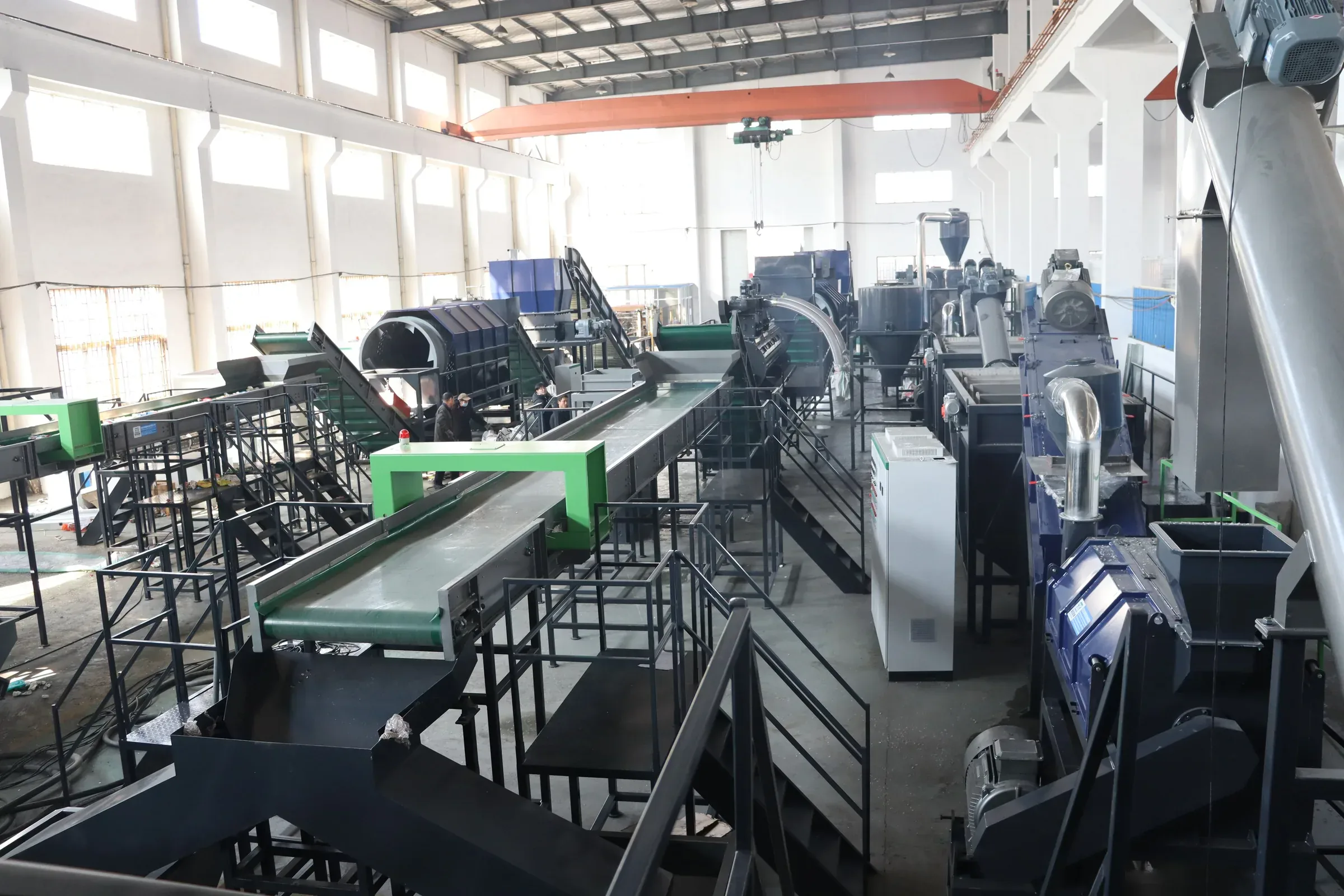
Sorting Process: Collected materials undergo a meticulous sorting process to separate PET bottles from other plastics. Advanced technologies, such as optical sensors and air classifiers, contribute to the efficiency of this stage.
Shredding and Cleaning
Shredding: Once sorted, PET bottles are mechanically shredded into smaller pieces, known as flakes. Shredding increases the surface area for subsequent processing stages.
Cleaning: The shredded PET flakes undergo thorough cleaning to remove contaminants such as labels, caps, and residual liquids. This step ensures the purity of the recycled material.
Melting and Purification
Melting: Cleaned PET flakes are then subjected to high temperatures, causing them to melt into a liquid state. This molten PET undergoes further processing to remove impurities.
Purification: During the purification stage, various techniques, including filtration and vacuum processes, are employed to eliminate any remaining contaminants, ensuring the quality of the recycled PET.
Polymerization
Reforming into Monomers: The purified PET is broken down into its monomer form through a process called depolymerization. This step involves converting the PET into its original building blocks, creating a substance known as MEG (monoethylene glycol).
Polymerization Reaction: MEG is then combined with terephthalic acid or its dimethyl ester counterpart, initiating a polymerization reaction that forms PET polymer chains.
New PET Production
Extrusion: The resulting PET polymer undergoes extrusion, a process where it is melted and formed into thin strands.
Cooling and Cutting: These strands are then cooled and cut into small pellets, forming the raw material for the production of new PET bottles.
Manufacturing New Bottles
Injection Molding: The PET pellets are introduced to injection molding machines, where they are heated and injected into molds, taking the shape of new bottles.
Final Processing: The newly formed bottles undergo final processing steps, including labeling, filling, and packaging, before making their way back to the consumer market.
Significance of Bottle-to-Bottle PET Recycling: A Greener Tomorrow
Environmental Impact
Reduced Resource Consumption: The bottle-to-bottle PET recycling process significantly reduces the need for virgin PET resin, conserving valuable natural resources and decreasing energy consumption.
Mitigation of Plastic Pollution: By diverting PET bottles from landfills and oceans, the recycling process contributes to mitigating plastic pollution, a critical environmental challenge.
Economic Benefits
Job Creation: The recycling industry generates employment opportunities across various stages of the process, from collection to manufacturing.
Circular Economy Contribution: Embracing a circular economy model, bottle-to-bottle PET recycling creates a sustainable loop where materials are reused, reducing the demand for constant production of new plastics.
Social Responsibility
Consumer Engagement: Encouraging consumers to participate in recycling initiatives fosters a sense of environmental responsibility and contributes to a collective effort toward sustainability.
Educational Opportunities: The bottle-to-bottle PET recycling process provides educational opportunities to raise awareness about responsible waste management and recycling practices.

Challenges and Future Innovations in Bottle-to-Bottle PET Recycling
Challenges
Contamination Issues: Contaminants in the recycling stream can impede the quality of the recycled PET material.
Collection Infrastructure: Developing efficient collection systems remains a challenge in some regions.
Innovations
Advanced Sorting Technologies: Continued advancements in sorting technologies enhance the accuracy of separating PET from other plastics.
Chemical Recycling: Emerging technologies in chemical recycling aim to address challenges by breaking down plastics into their original chemical components, allowing for high-quality recycling.
A Sustainable Cycle Unfolding
The bottle-to-bottle PET recycling process exemplifies the transformative power of sustainable practices, turning used plastic bottles into a valuable resource for the production of new ones. From collection and sorting to polymerization and manufacturing, each stage contributes to a closed loop that lessens the environmental impact of plastic consumption. As challenges are met with innovative solutions and public awareness grows, the bottle-to-bottle PET recycling process continues to unfold as a beacon of hope, paving the way for a more sustainable and responsible future.
This article is carried over from the Retech technical archive and keeps its original URL.
ABOUT THIS UPDATE
Published by Retech Marketing & Communications Team
The Retech Marketing & Communications Team publishes official company news, exhibition information, factory updates, project milestones and product announcements.
For technical questions about plastic recycling systems, please contact our engineering team.

